Thinking about buying a rental home in Brookfield? It can be a smart long-term move, but it is not the kind of market where you want to guess your numbers and hope for the best. If you are looking for stability, solid household fundamentals, and a community with limited new supply, Brookfield deserves a closer look. In this guide, you will learn what kinds of rental properties you are most likely to find, how to think about rent estimates, and what due diligence matters before you close. Let’s dive in.
Why Brookfield Draws Rental Buyers
Brookfield offers something many buyers want in an investment market: stability. According to Census QuickFacts for Brookfield, the city had a 2024 population of 41,268, an owner-occupied housing rate of 82.8%, and 91.6% of residents lived in the same home one year earlier.
That does not point to a fast-flipping, speculative market. Instead, it suggests a community where many households stay put, which can matter if you are buying with a long-term rental strategy in mind.
Brookfield also shows strong household fundamentals. The same Census source reports median household income of $129,548, per-capita income of $68,298, poverty of 3.2%, computer ownership of 97.1%, and broadband subscription of 95.6%.
For a rental buyer, those are helpful signals. They do not guarantee performance for any one property, but they do suggest a well-established market with broad economic stability.
What Rental Properties You’ll Likely Find
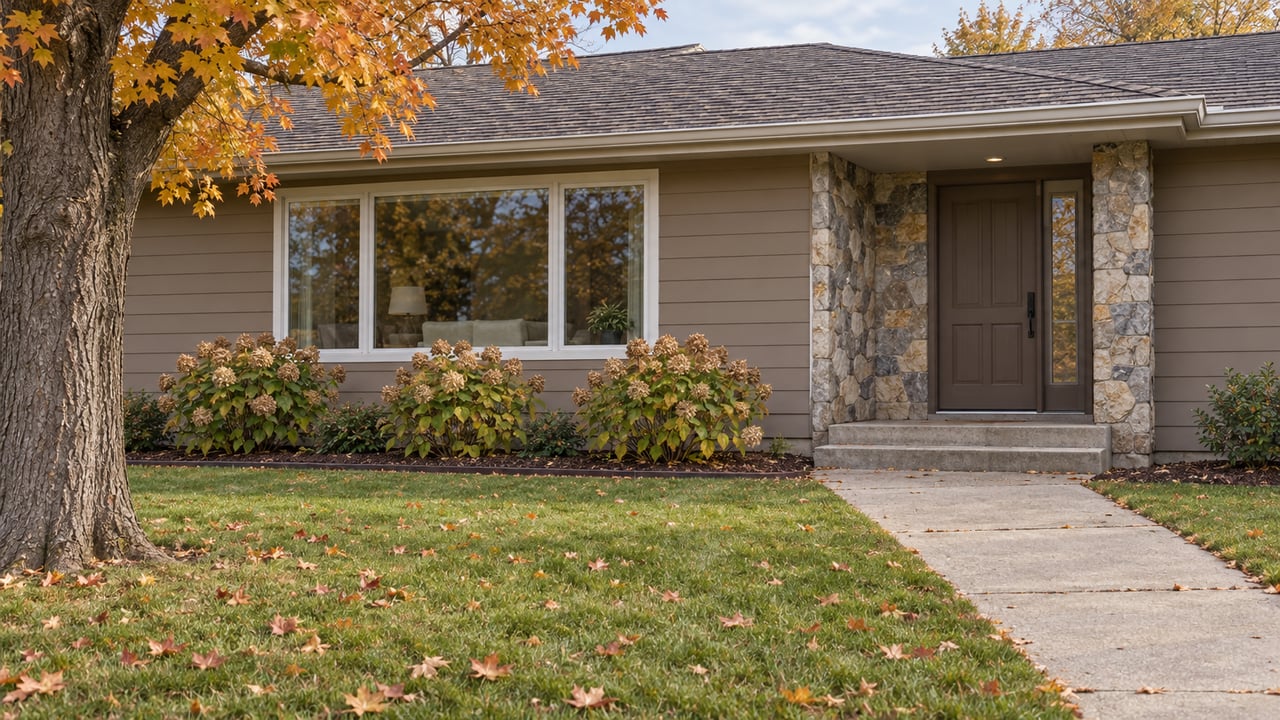
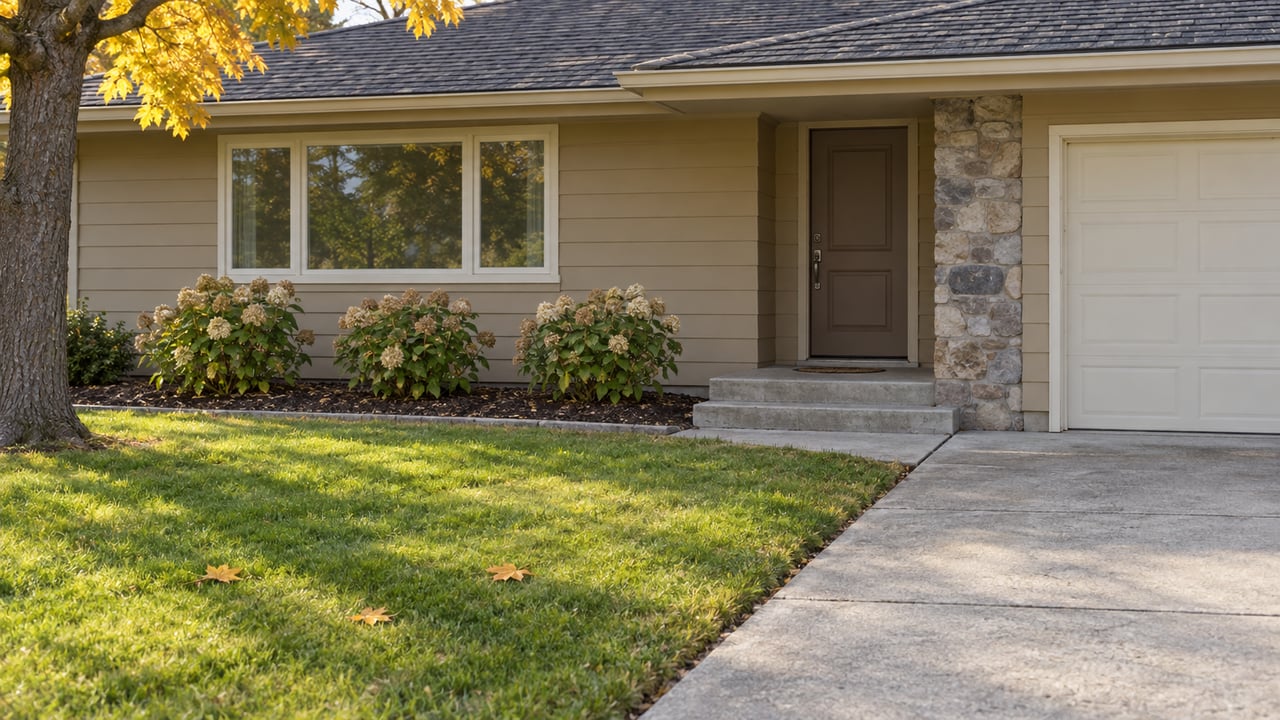
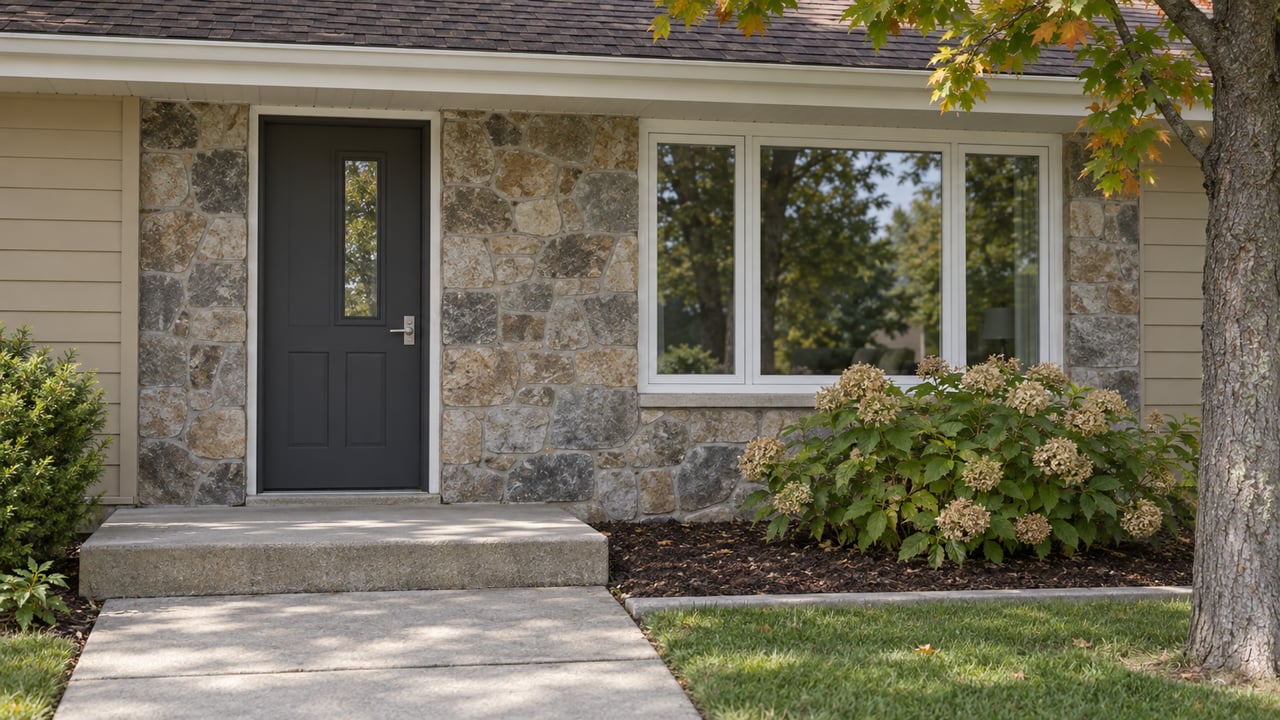
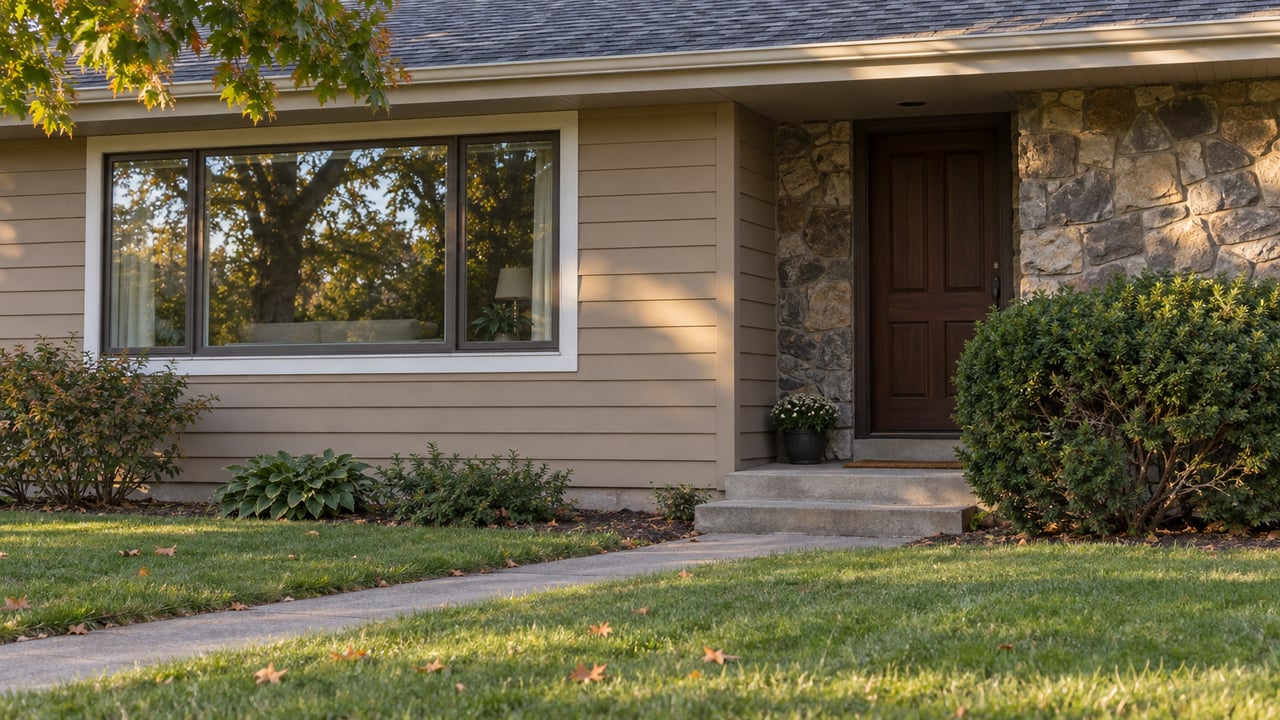
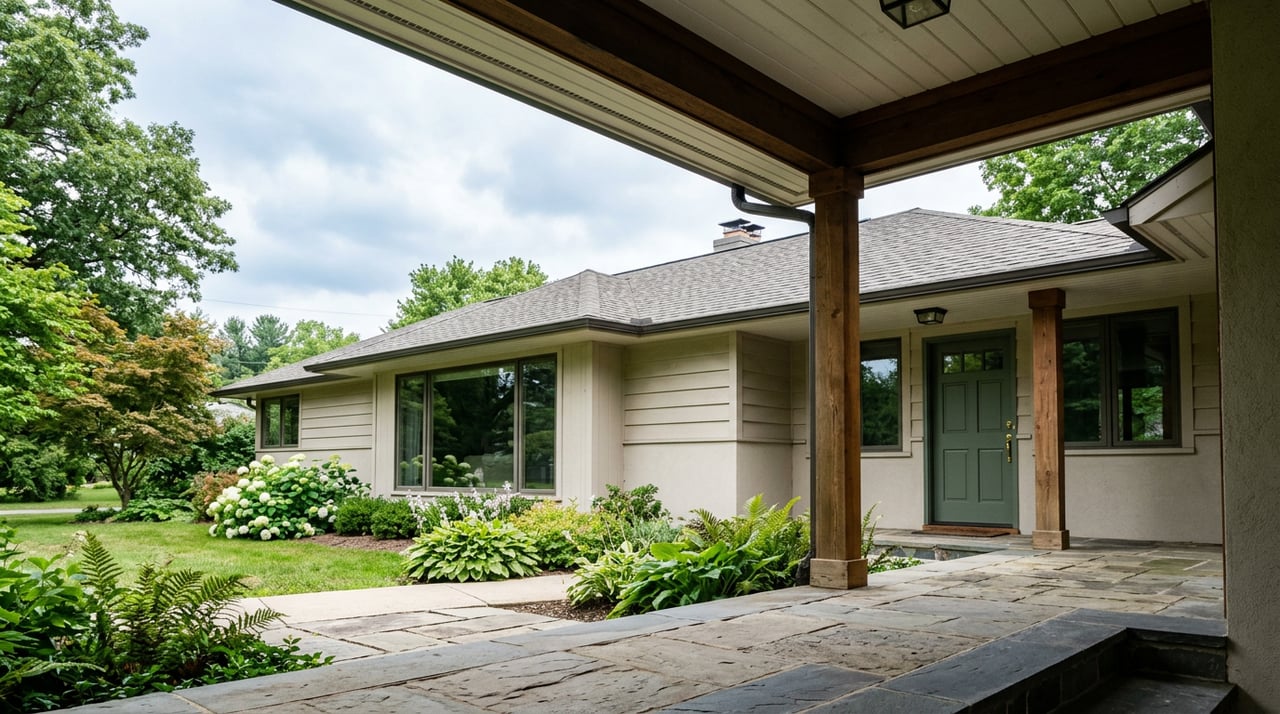
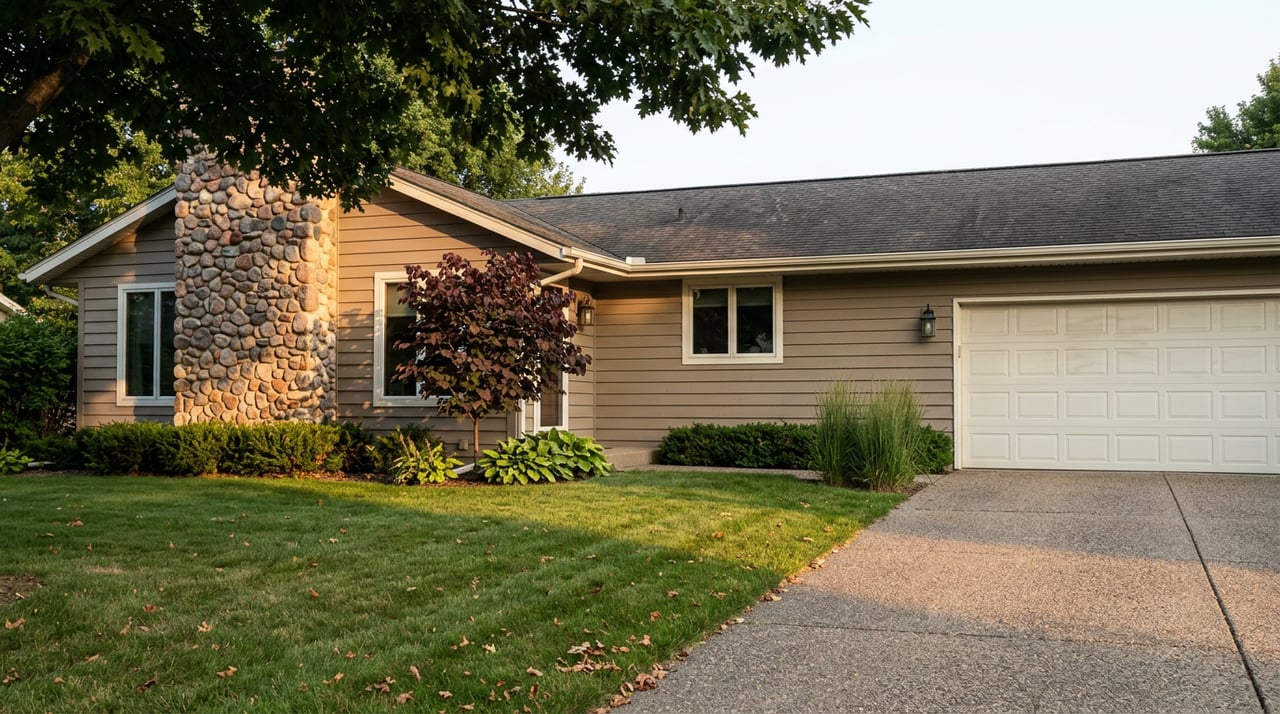
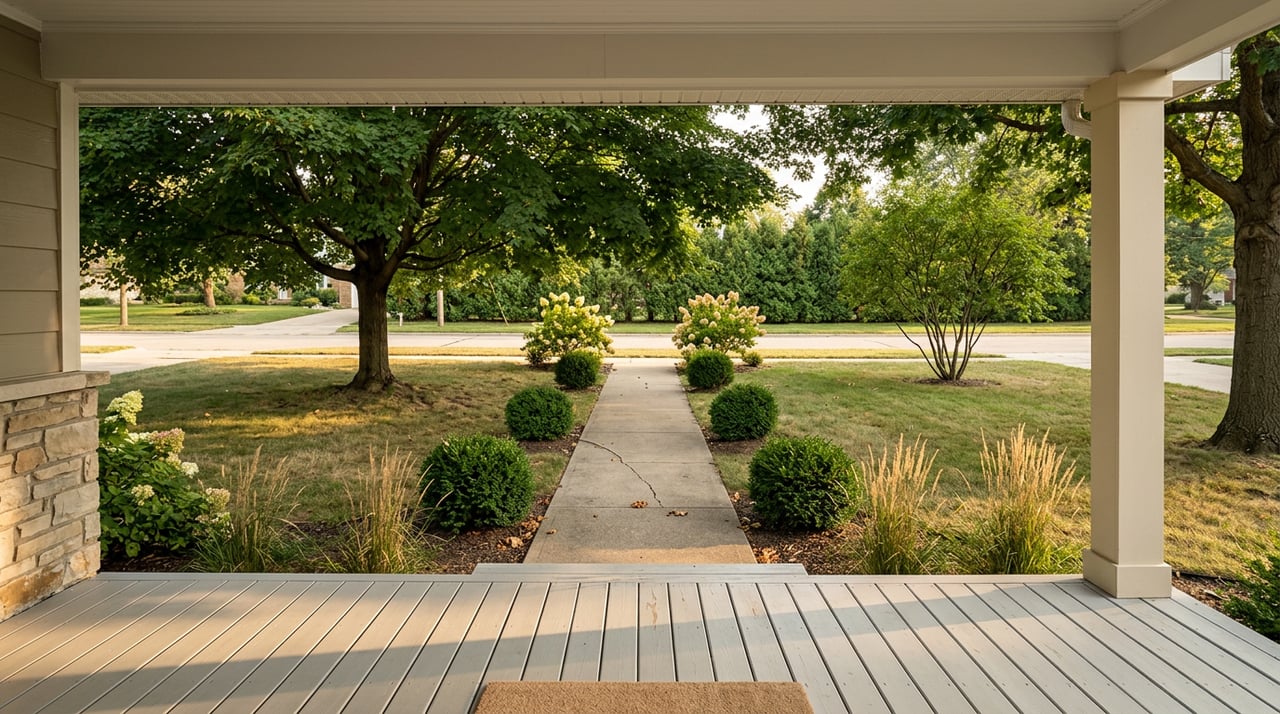
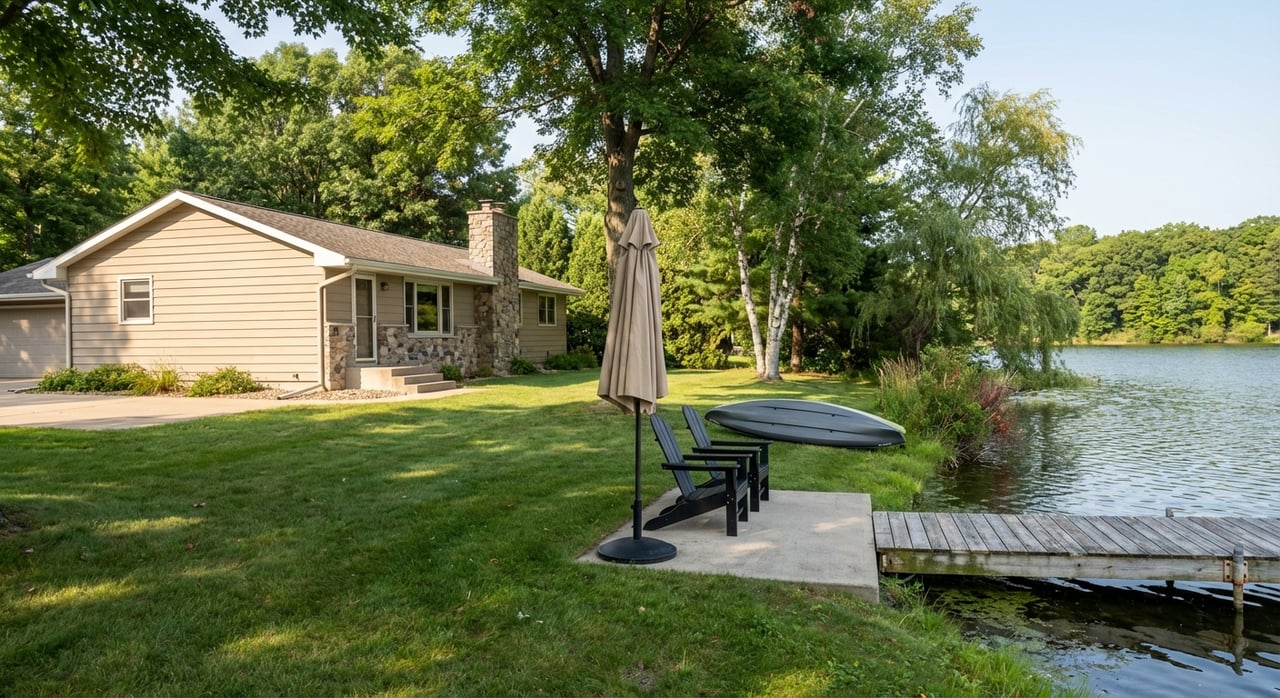
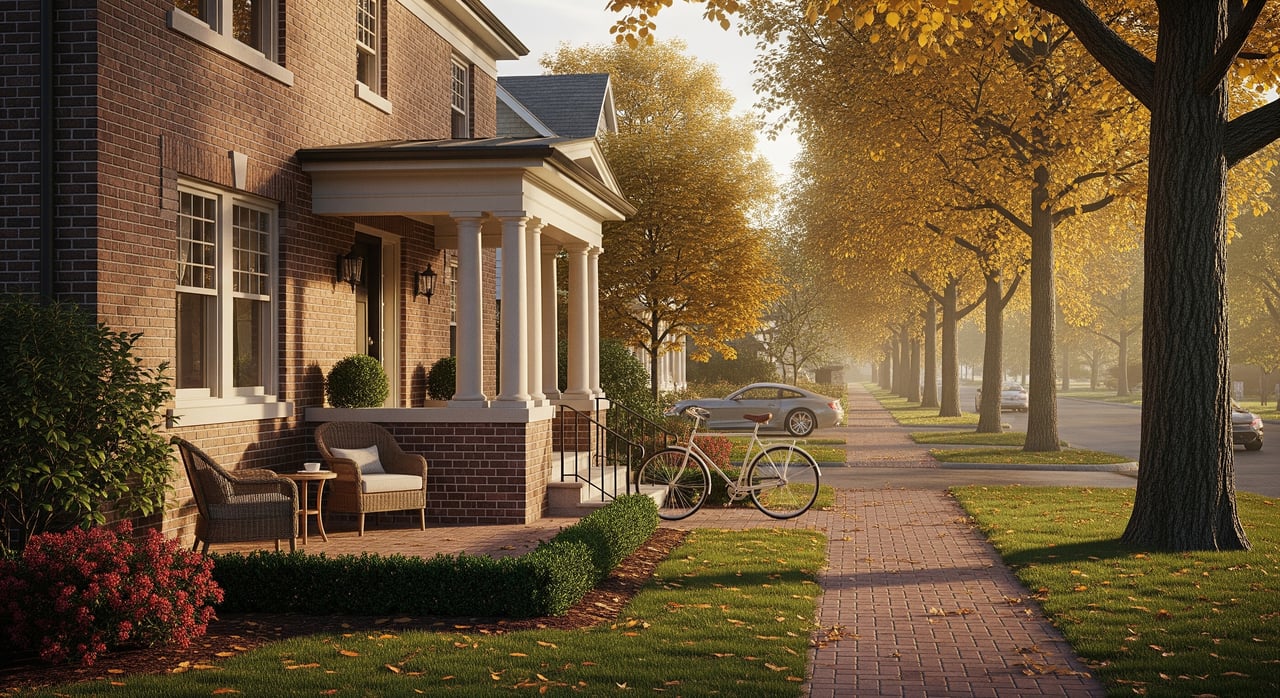
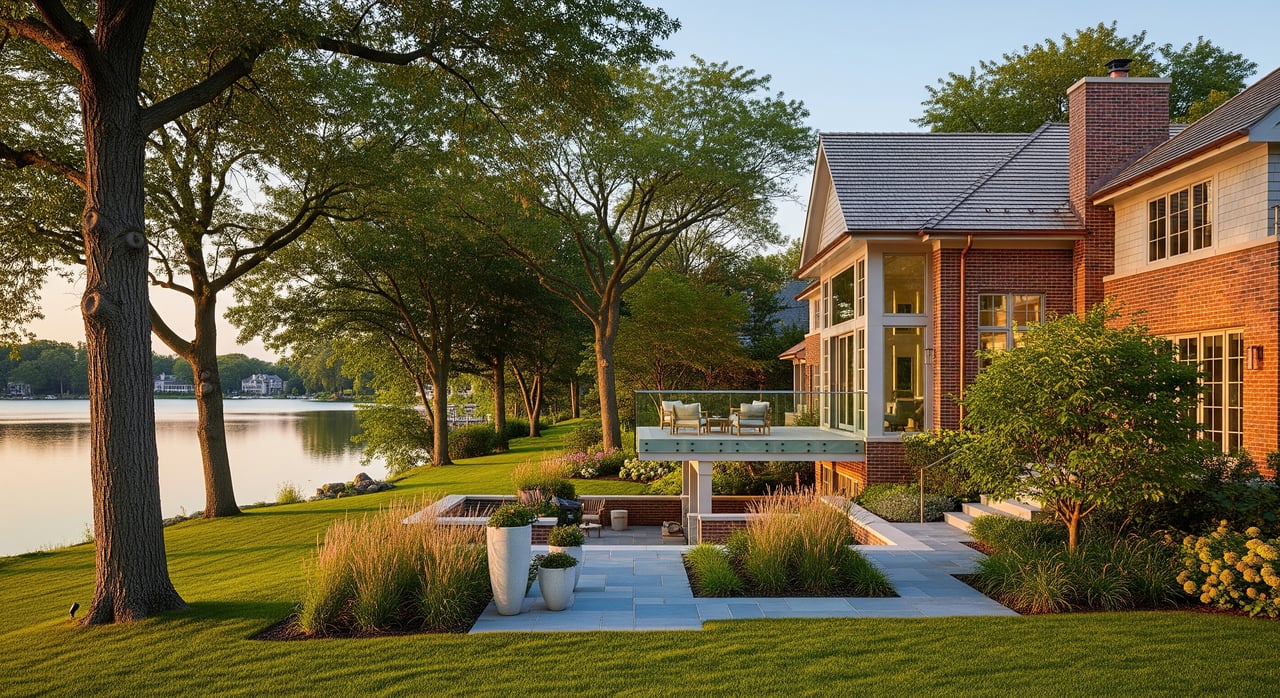
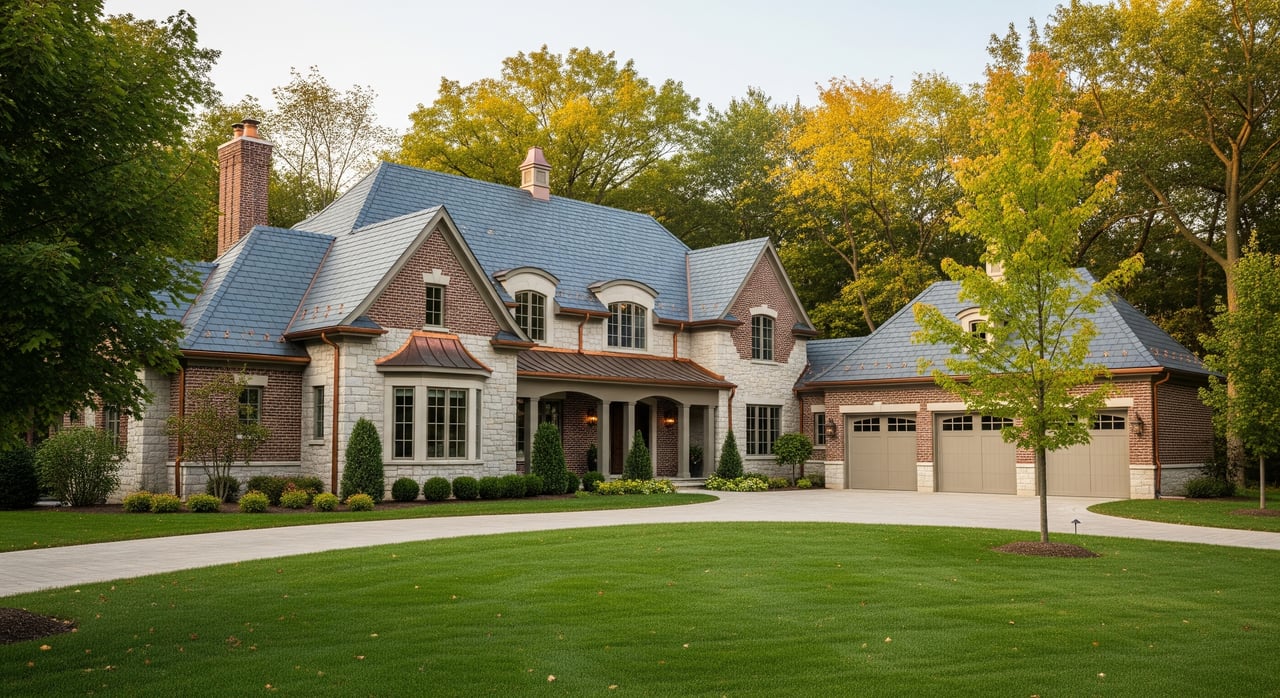
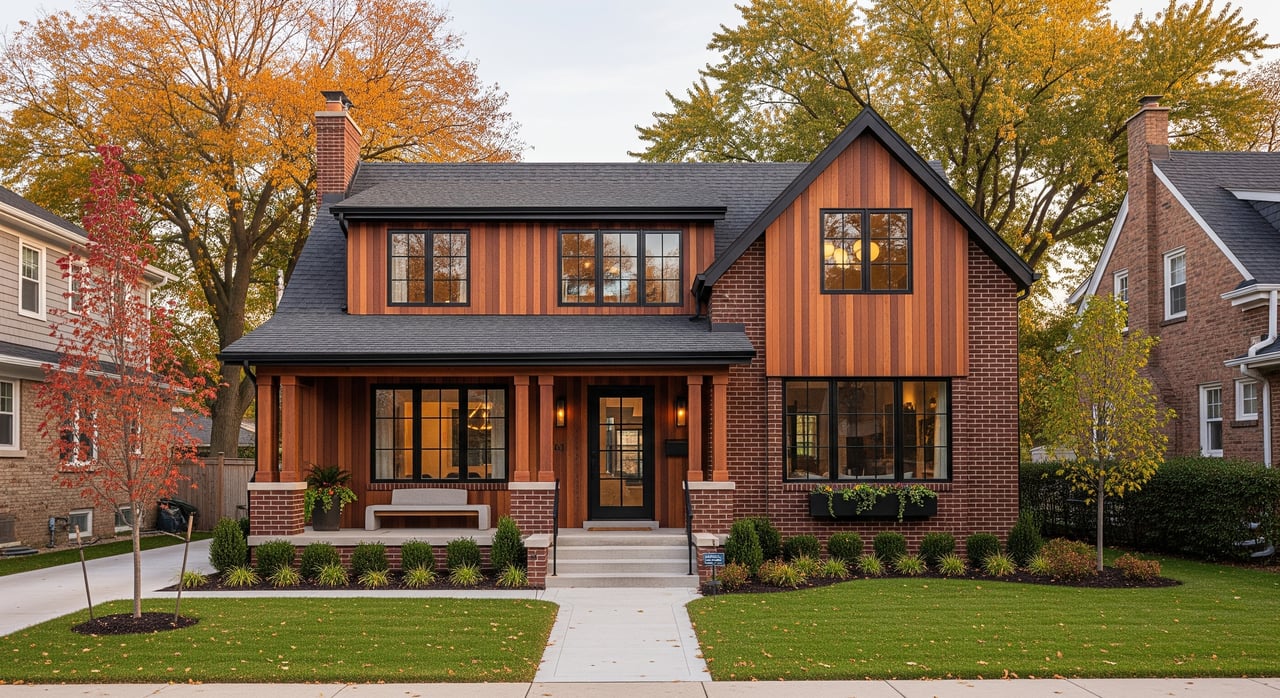
If you are picturing rows of apartment buildings or large numbers of bargain investment properties, Brookfield may not match that expectation. The City of Brookfield 2050 Comprehensive Plan describes the city as predominantly single-family and owner-occupied.
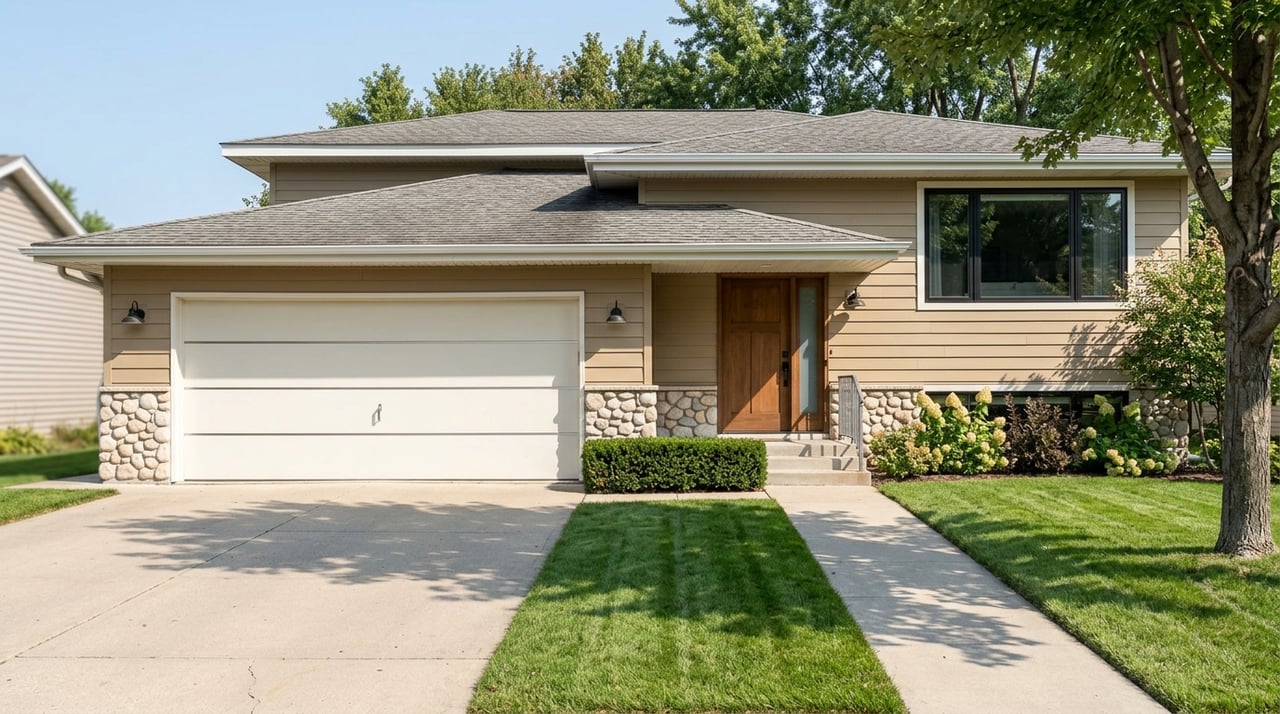
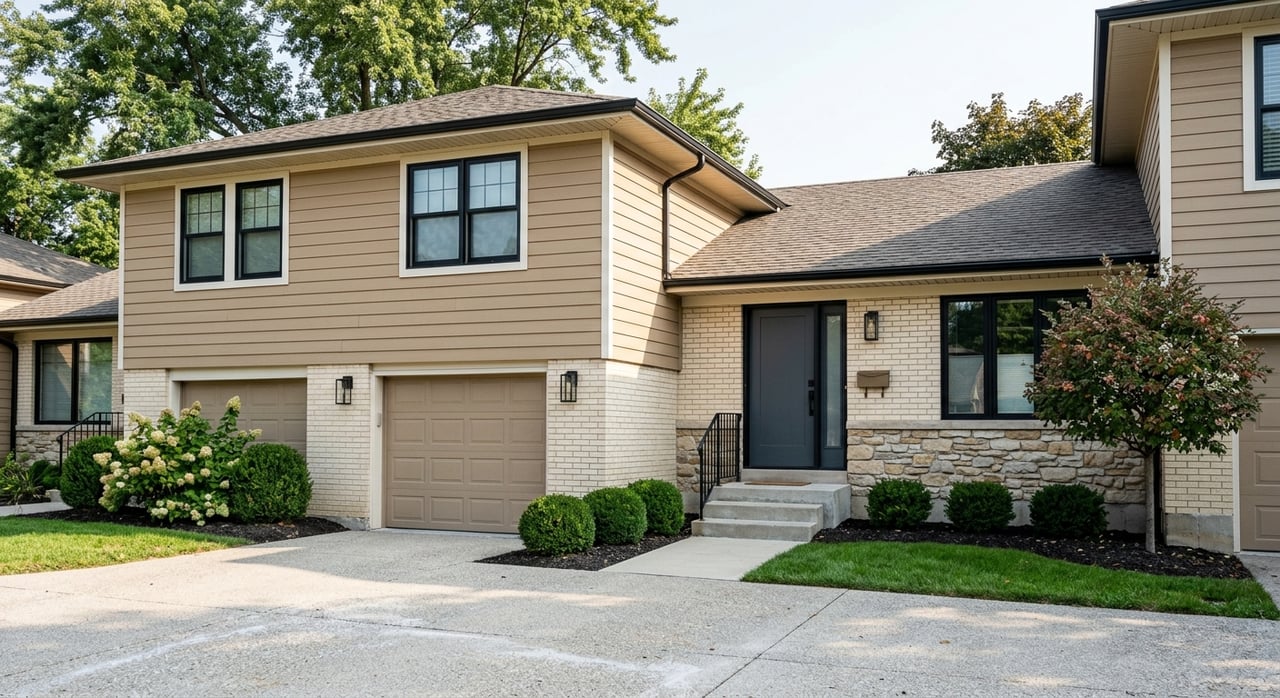
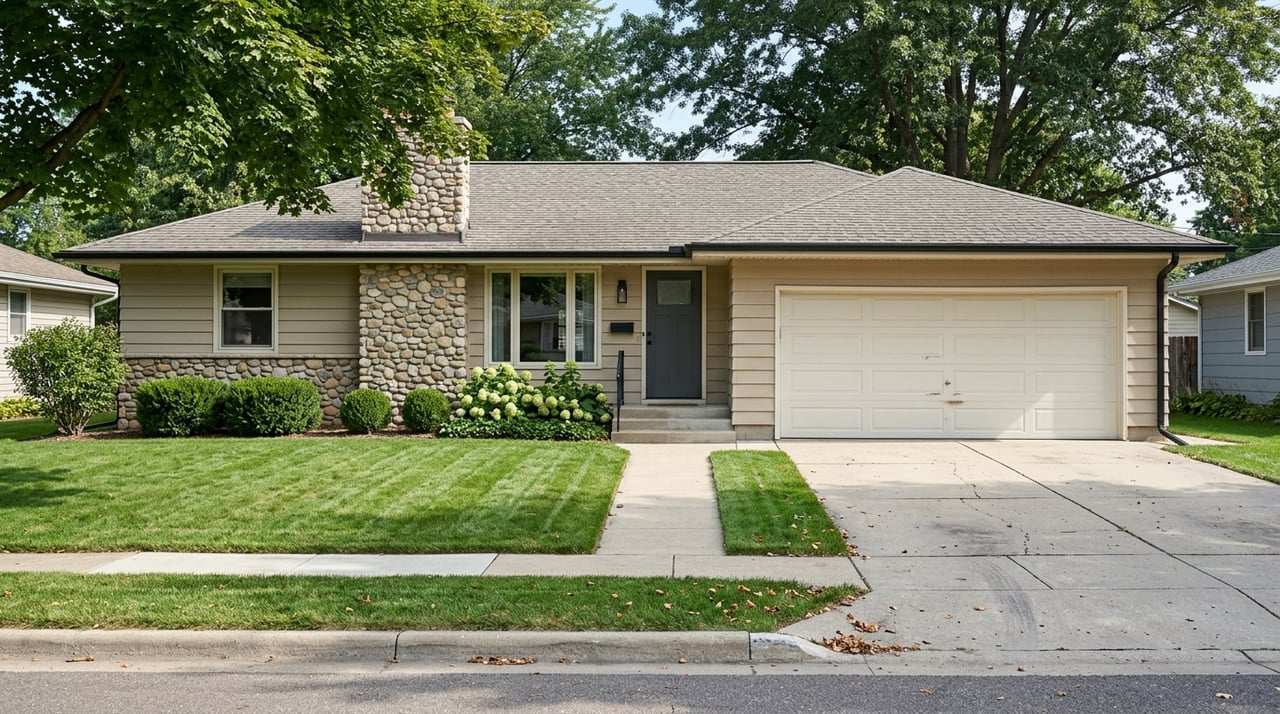
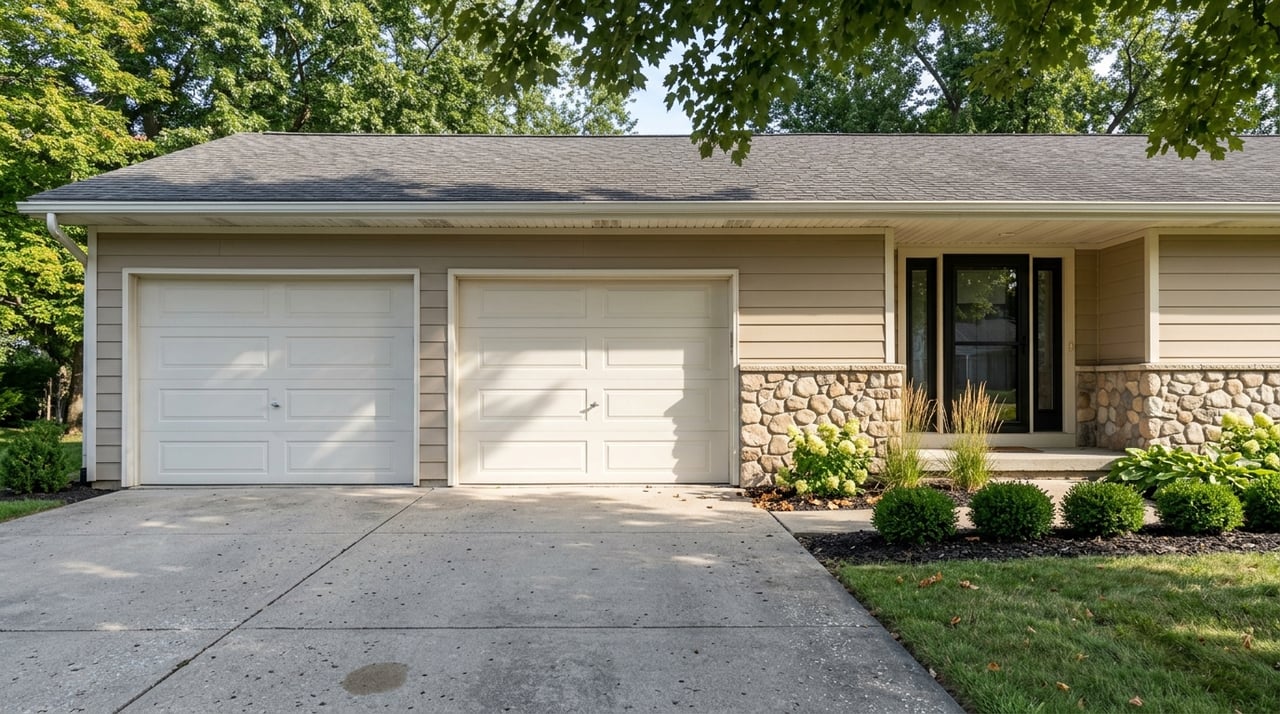
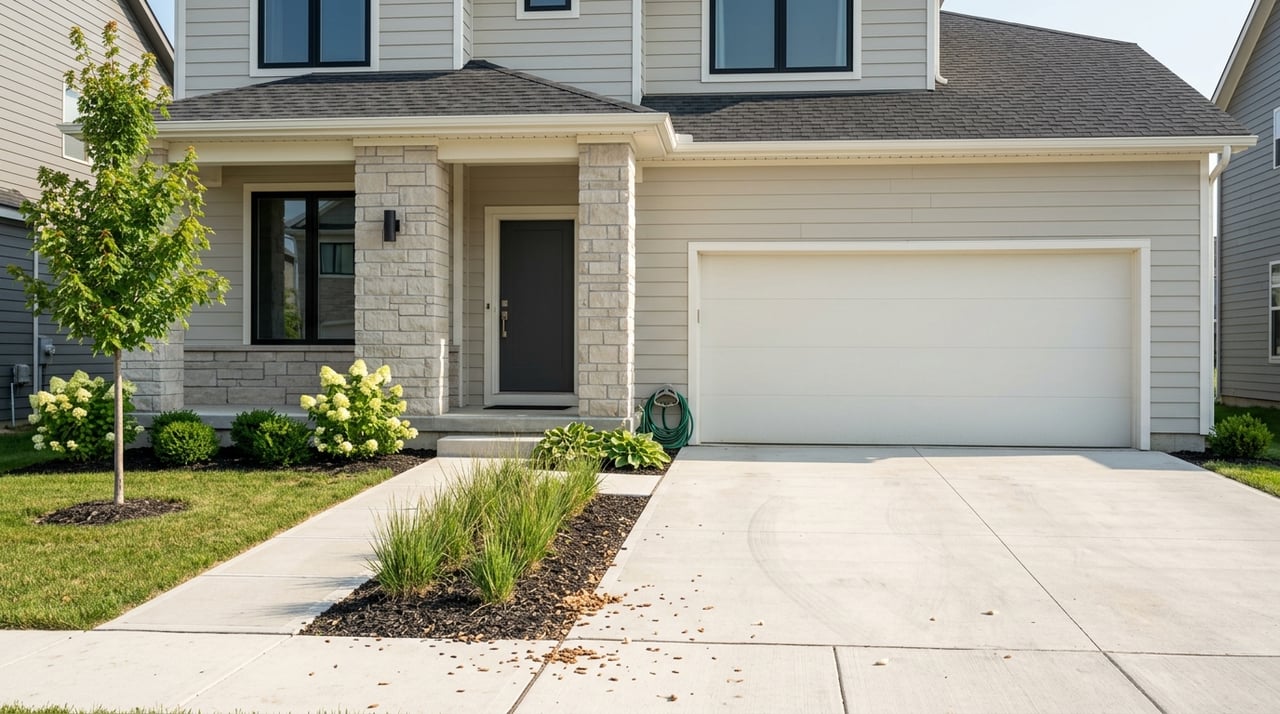
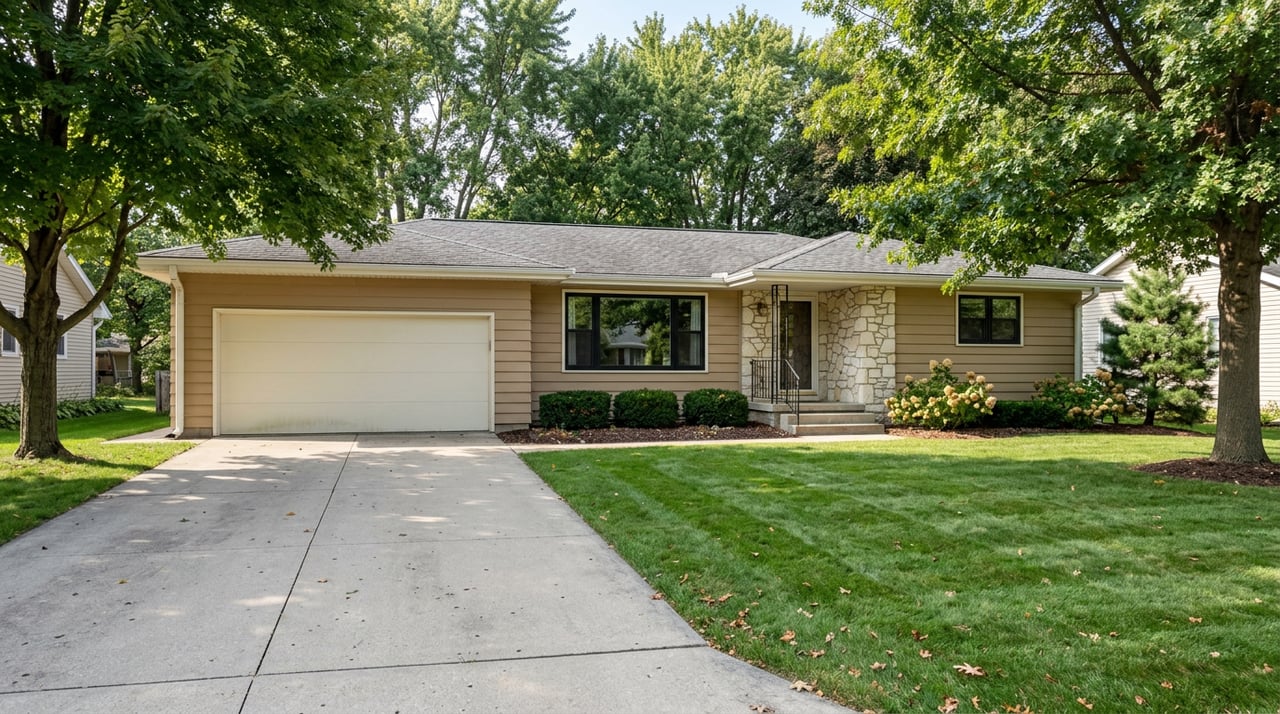
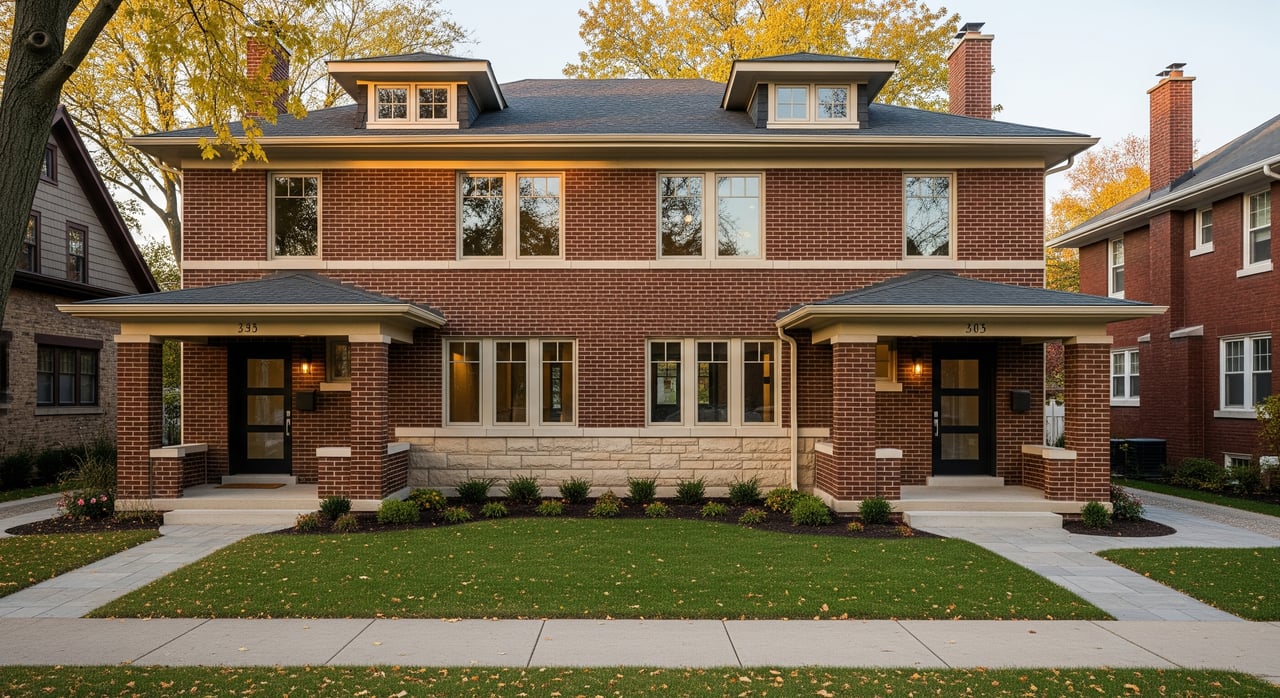
That matters because your most realistic opportunities will likely center on single-family detached homes. Depending on the area, you may also come across condominiums and some low-rise multifamily or redevelopment-oriented housing types in targeted investment areas.
For many buyers, that makes Brookfield a better fit for a small-scale rental strategy than a high-volume one. If you want one well-located house or condo with long-term holding potential, that can align well with the city’s overall housing pattern.
Brookfield Is Not a Low-Entry Market
Before you make an offer, it is important to understand the price point. Census QuickFacts lists Brookfield’s median owner-occupied home value at $443,900 and median gross rent at $1,886.
Those numbers are useful because they show the basic challenge for rental buyers here. Home values are relatively high compared with rents, so your monthly margins may feel tighter than they would in a lower-cost market.
In plain English, Brookfield can be attractive, but it usually requires careful math. You should expect to review mortgage costs, taxes, insurance, maintenance, vacancy planning, and any updates before you assume a property will cash flow the way you want.
How to Estimate Rent in Brookfield
One of the biggest mistakes rental buyers make is relying on a single number. In Brookfield, it is better to think in ranges and then narrow down with property-specific comparisons.
A strong public-data starting point is HUD’s FY2026 Fair Market Rents for the Milwaukee-Waukesha metro area. HUD lists the following gross-rent estimates:
- 0 bedroom: $1,027
- 1 bedroom: $1,119
- 2 bedroom: $1,338
- 3 bedroom: $1,648
- 4 bedroom: $1,784
HUD notes that these are gross-rent estimates and include tenant-paid utilities except telephone, cable or satellite service, and internet. That makes them a useful metro-level baseline, not a Brookfield-specific asking-rent answer.
Next, compare that baseline with Brookfield’s citywide median gross rent of $1,886. Because that is an ACS median, it works best as a benchmark rather than a precise rent estimate for a specific home.
A practical way to estimate rent is to use three layers:
- HUD Fair Market Rent for a metro baseline.
- Brookfield median gross rent as a local reality check.
- Current comparable listings and recent rental comps for the final pricing decision.
That approach helps you avoid overpricing based on optimism or underpricing based on outdated assumptions.
Why Supply Constraints Matter
Brookfield’s long-term housing picture is shaped by limited land and higher development costs. The city’s 2050 Comprehensive Plan notes very limited vacant land, high land values, and development economics that make lower-priced housing difficult to produce.
For a rental buyer, that is an important part of the story. It suggests you should not assume a large wave of new lower-cost housing will suddenly change the market.
At the same time, this does not mean every Brookfield rental is automatically a strong investment. It means your underwriting should focus on the exact property, the immediate area, the condition of the home, and the type of renter the home may appeal to.
Condition and Compatibility Matter
Brookfield’s planning direction also emphasizes neighborhood character and compatibility. If you are buying a home to rent out, that makes property condition more than a cosmetic issue.
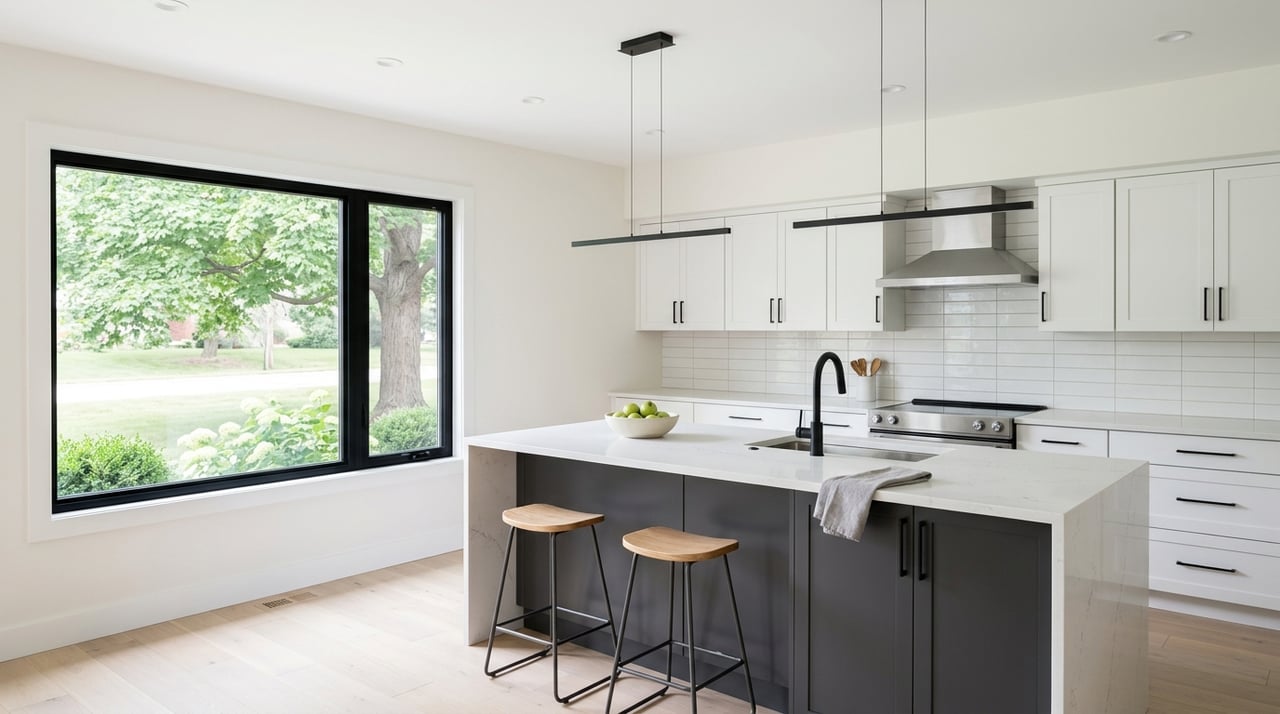
You will want to look closely at renovation quality, exterior upkeep, deferred maintenance, and any visible issues that could affect both tenant appeal and long-term ownership costs. In a market with many owner-occupied homes, a poorly maintained rental can create avoidable headaches.
This is one reason many buyers do well by targeting homes with strong bones and a clear improvement path. A house that shows well, functions well, and fits the surrounding area may be easier to lease and easier to hold over time.
Due Diligence Before You Close
If you are buying a rental home in Brookfield, due diligence should go beyond the standard inspection process. You want to confirm not just whether the house is sound, but also whether your intended use is workable.
Start by verifying zoning, any HOA or deed restrictions, and whether there are inspection or occupancy requirements tied to your plans. The city’s Inspection Services staff page lists contacts including a residential building inspector and code compliance inspector, and the city’s fair-housing information confirms that both sale and rental housing are covered by fair-housing rules.
If the property needs updates before you rent it, include permit costs in your budget early. Brookfield’s fee schedule includes residential building permits and a Residential Occupancy Permit.
That means your pre-rental budget may include more than paint and flooring. You may also need time and money for permits, inspections, and compliance-related work.
A Simple Way to Underwrite a Brookfield Rental
If you are trying to decide whether a property works, keep your analysis straightforward and disciplined. Start with realistic rent, then build your expense picture from there.
Your checklist should include:
- Purchase price
- Down payment and financing terms
- Property taxes
- Insurance
- Expected maintenance and repairs
- Vacancy allowance
- Permit or occupancy costs if updates are needed
- HOA dues, if applicable
- Expected market rent based on size, condition, and comps
This kind of market rewards careful buyers. You do not need a flashy spreadsheet, but you do need honest assumptions.
Is Brookfield a Good Place to Buy a Rental Home?
For the right buyer, yes. Brookfield appears to offer long-term stability, a predominantly owner-occupied housing base, and constrained supply conditions that can support a measured buy-and-hold strategy.
It is probably less appealing if your goal is low-cost entry or immediate high cash flow. With a median home value of $443,900 and a median gross rent of $1,886, this is a market where strategy and property selection matter.
If you are looking for a single-family rental or condo in a stable suburban setting, Brookfield may be worth serious consideration. The key is buying the right property at the right number, with a clear understanding of your true costs.
If you want help evaluating Brookfield homes, comparing likely rent ranges, or weighing whether a property fits your goals, connect with Kuss & Co. Homes. You will get practical guidance, clear communication, and local insight that can help you make a more confident decision.
FAQs
What types of rental properties are most common in Brookfield?
- Brookfield is predominantly single-family and owner-occupied, so buyers are most likely to encounter single-family detached homes, with some condo and limited multifamily opportunities in targeted areas.
How can you estimate rent for a Brookfield rental home?
- A practical method is to start with HUD Fair Market Rents for the Milwaukee-Waukesha metro area, compare them with Brookfield’s median gross rent, and then refine the number using current comparable rental listings.
Is Brookfield a cash-flow market for rental buyers?
- Brookfield may be better described as a stability-focused market than a high-cash-flow market, since home values are relatively high compared with the city’s median gross rent.
What should you verify before buying a rental home in Brookfield?
- You should verify zoning, HOA or deed restrictions, permit needs, inspection requirements, and any occupancy-related rules before closing.
Does Brookfield require permits for rental property updates?
- If your property needs work before it is rented, Brookfield’s fee schedule shows that residential building permits and a Residential Occupancy Permit may apply, so those costs should be included in your budget.