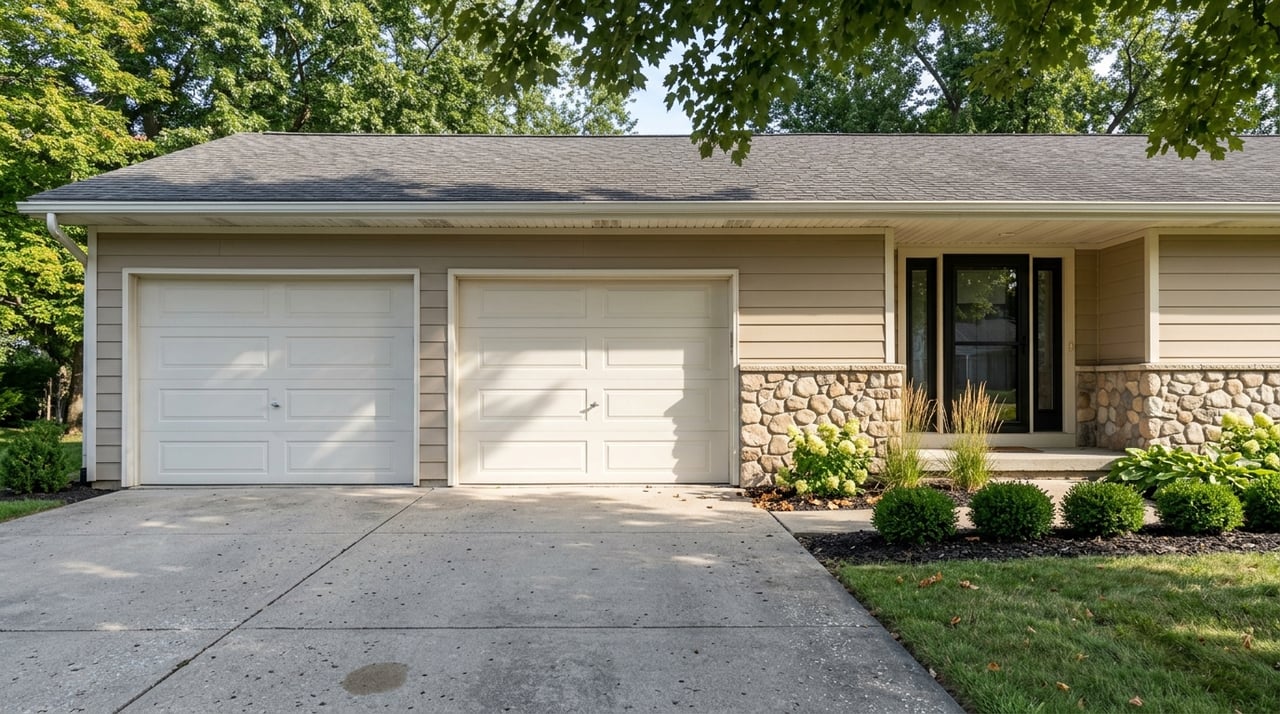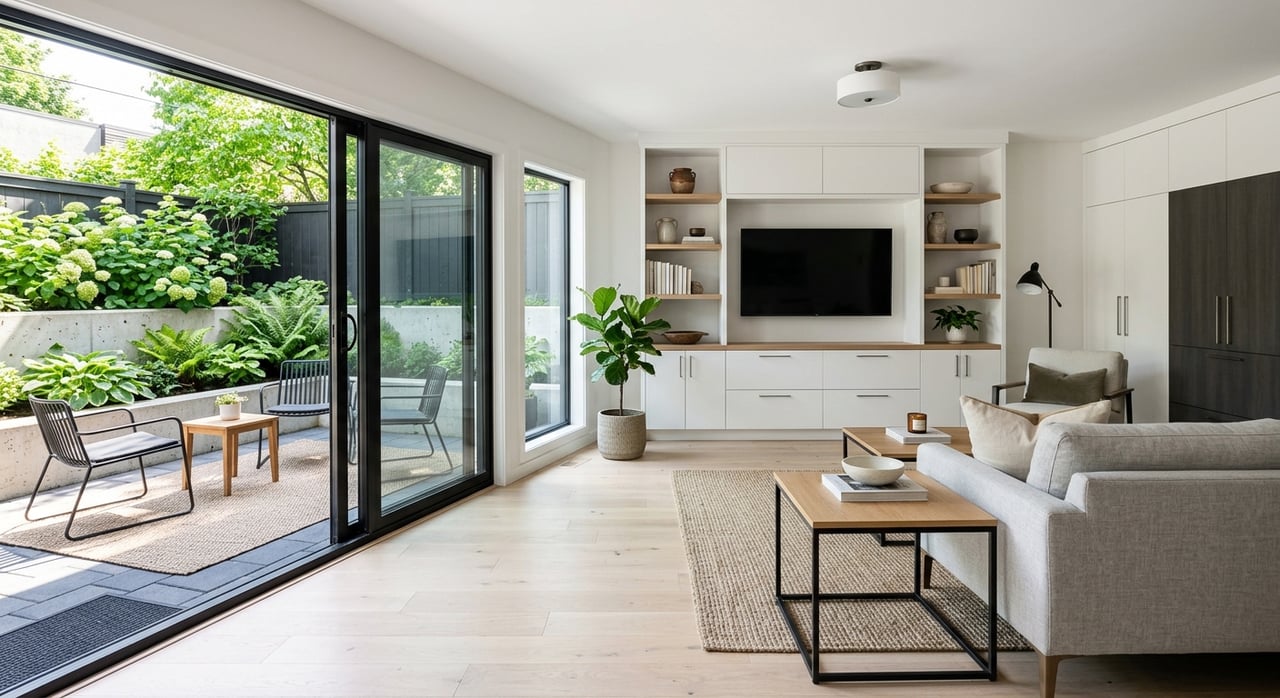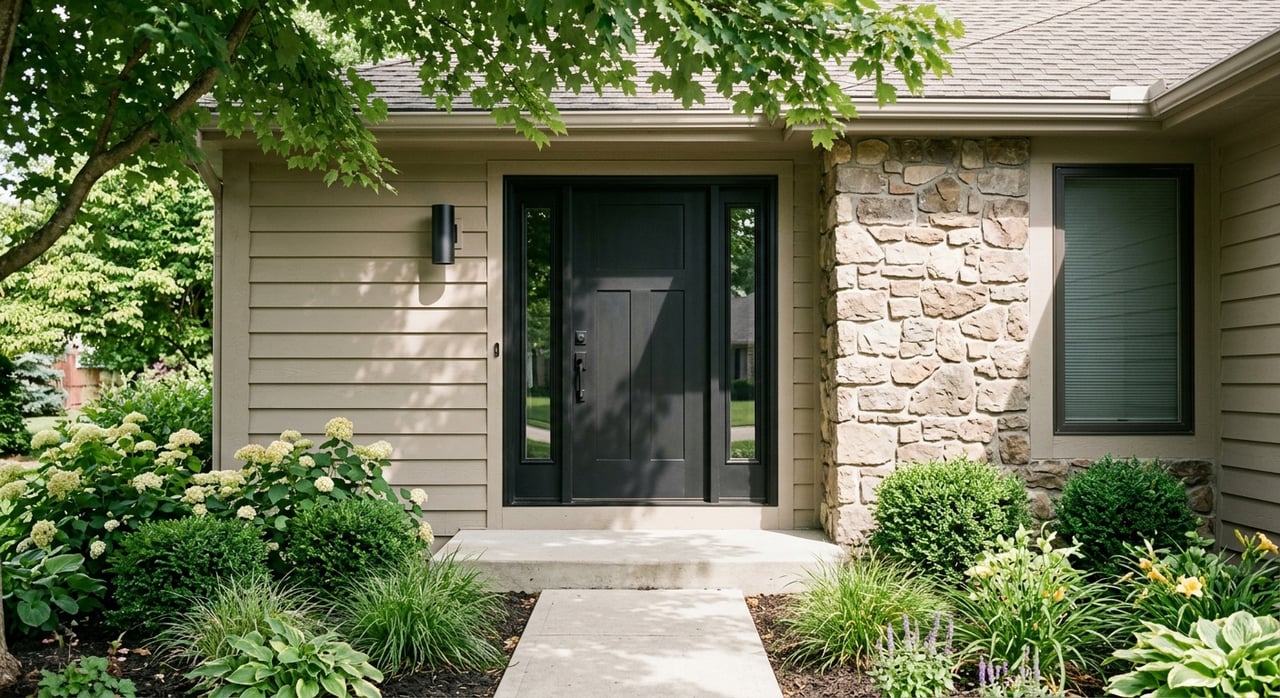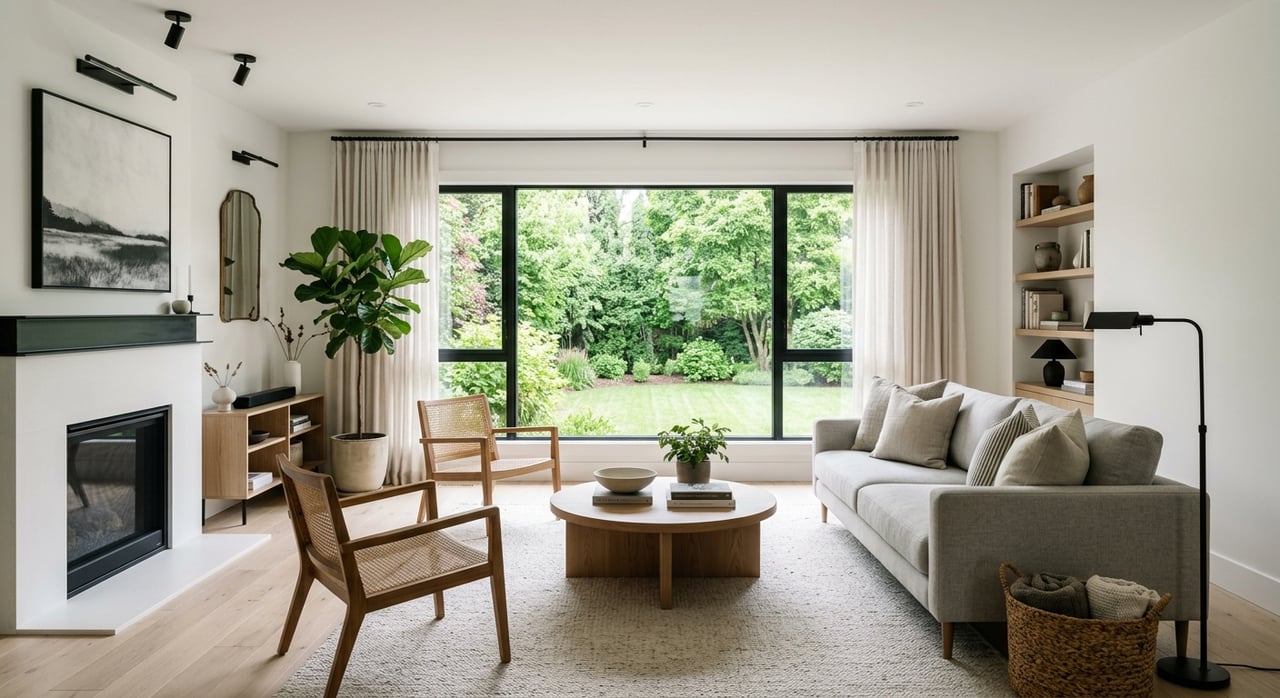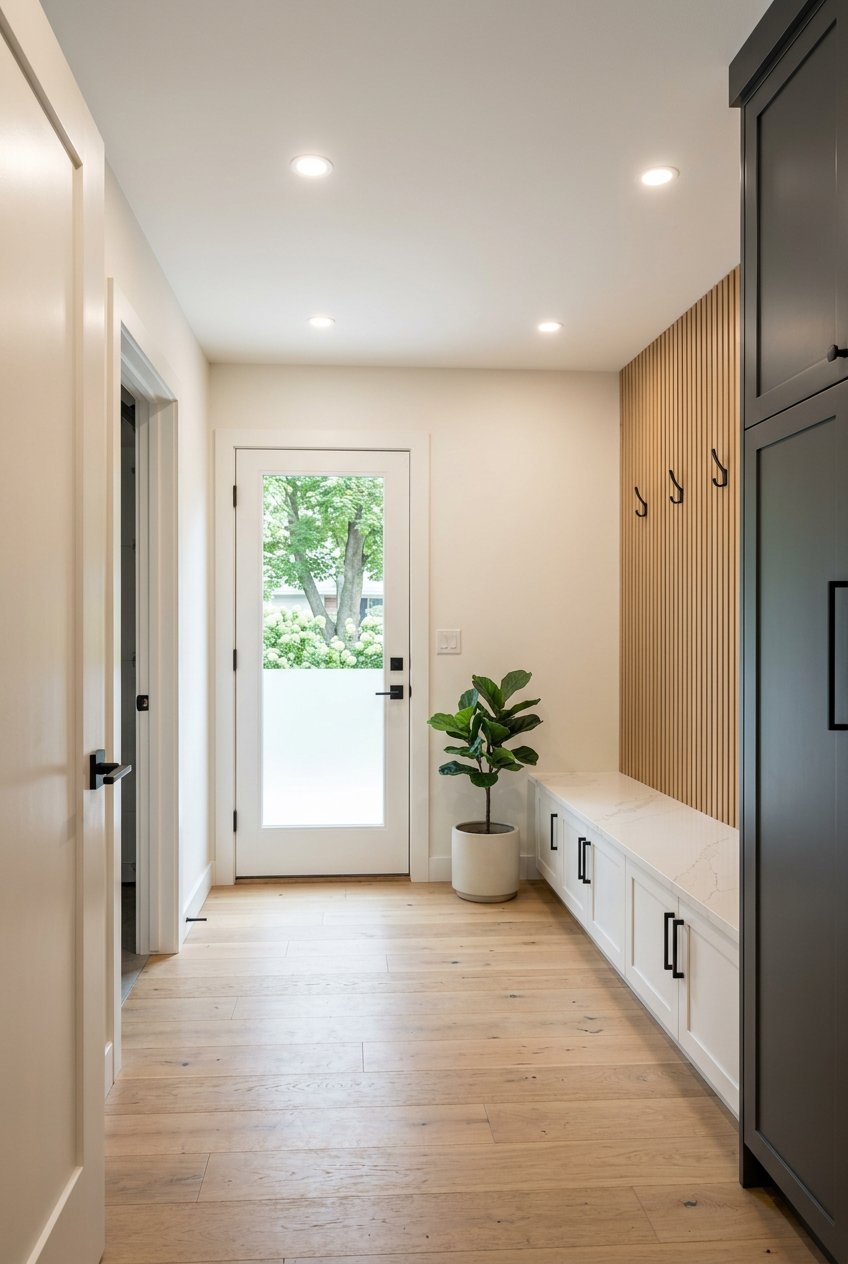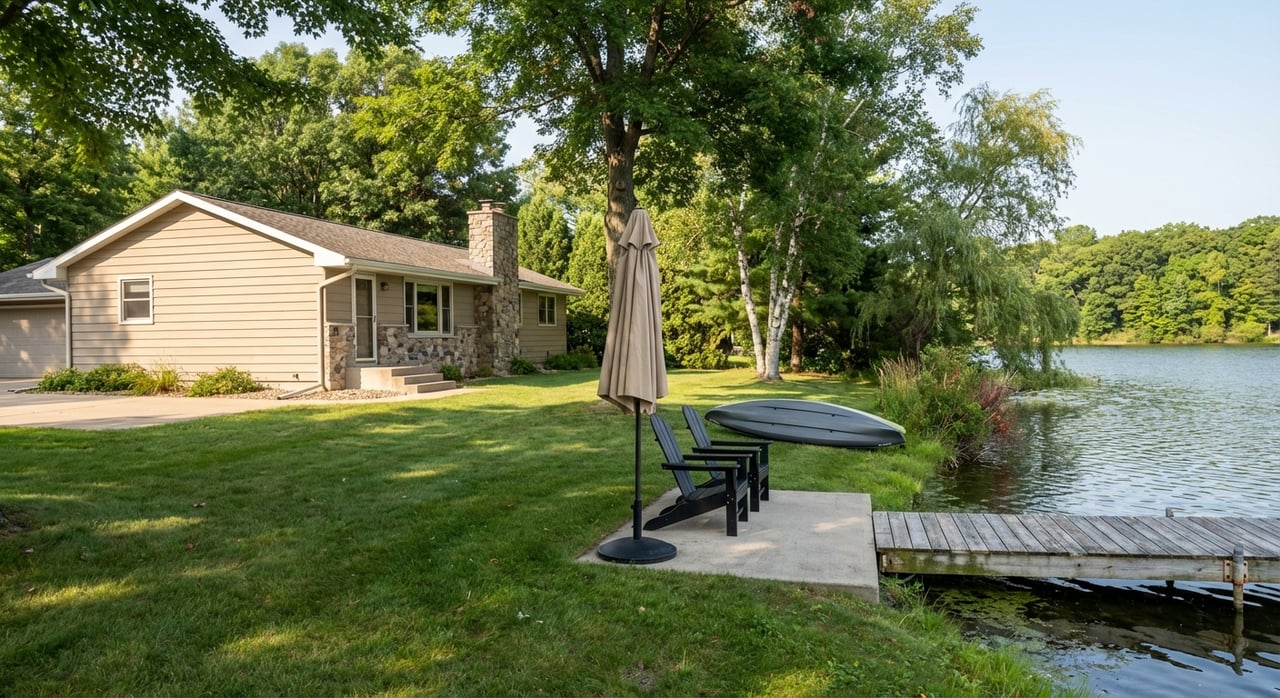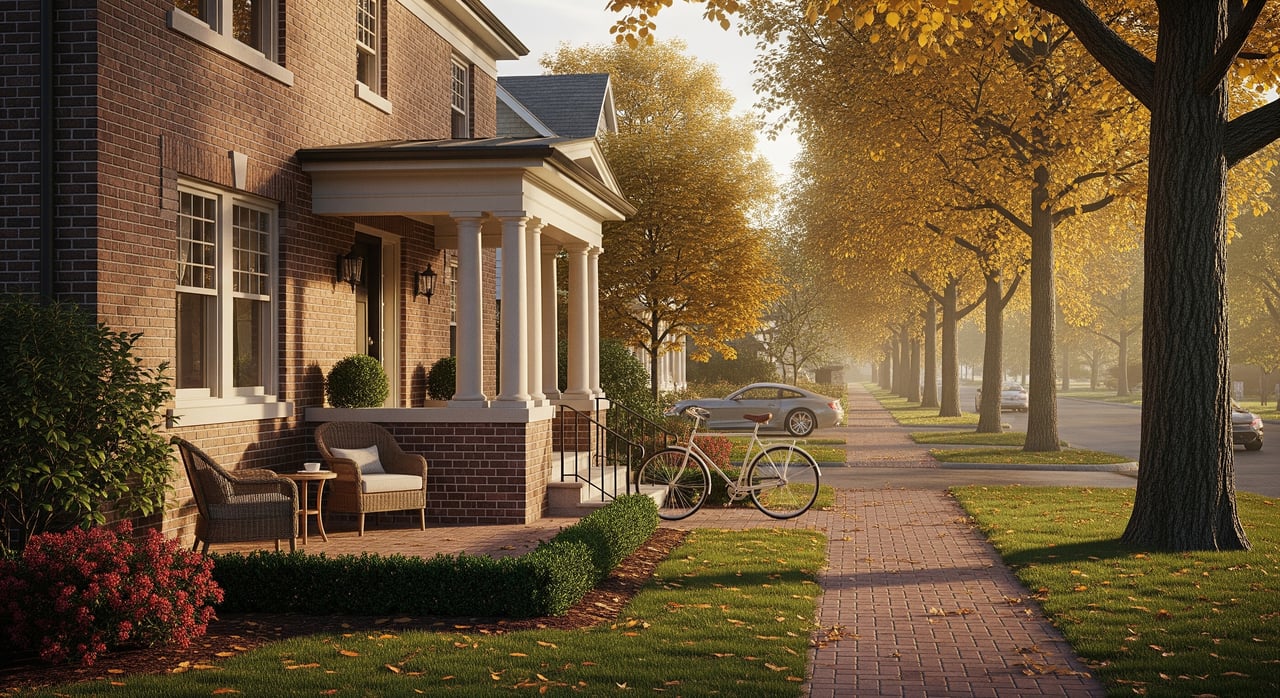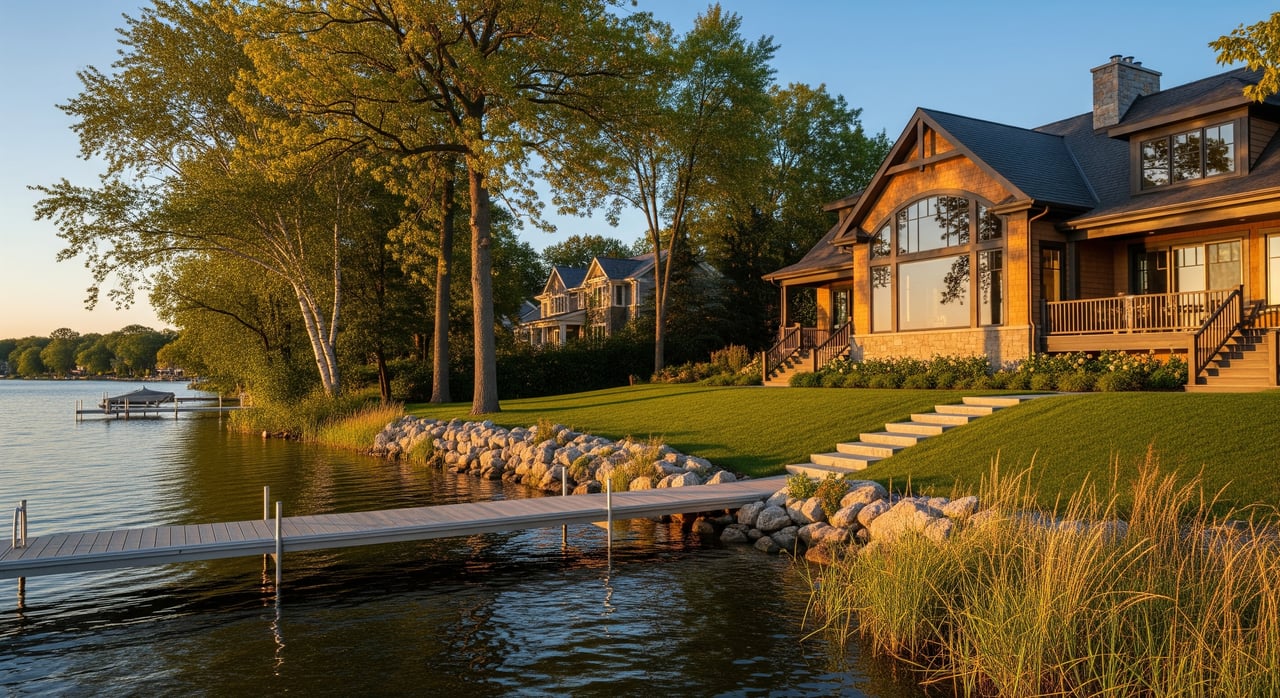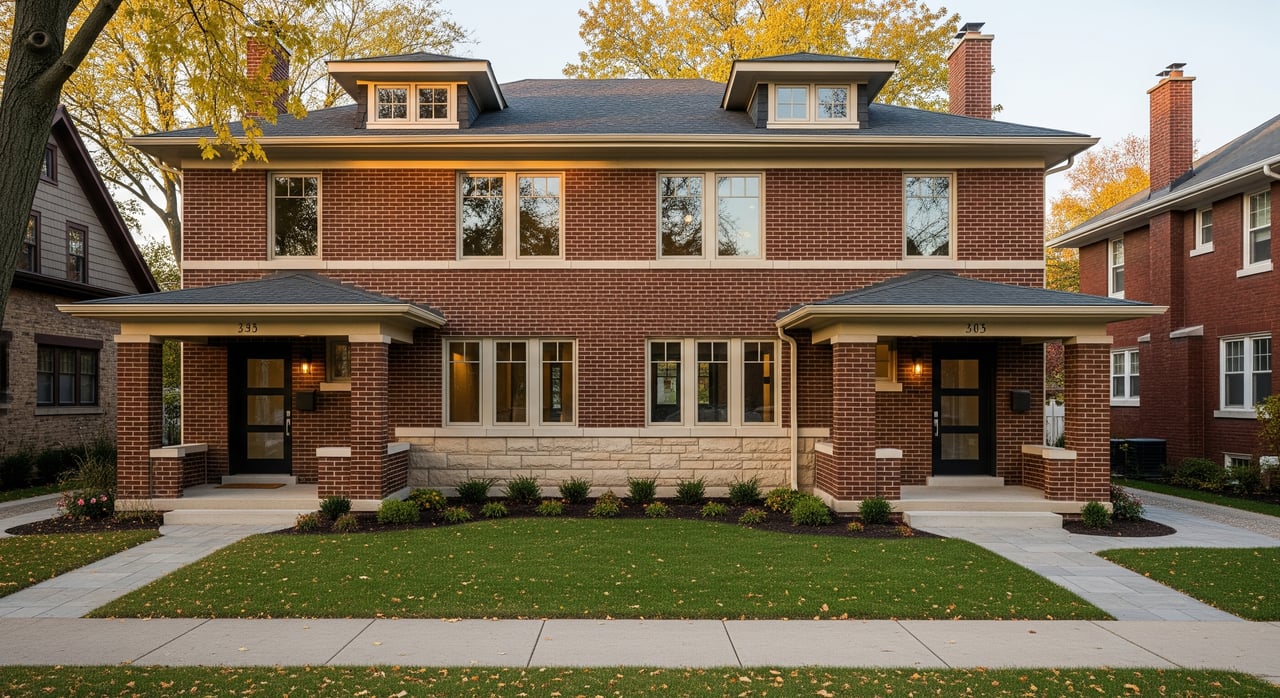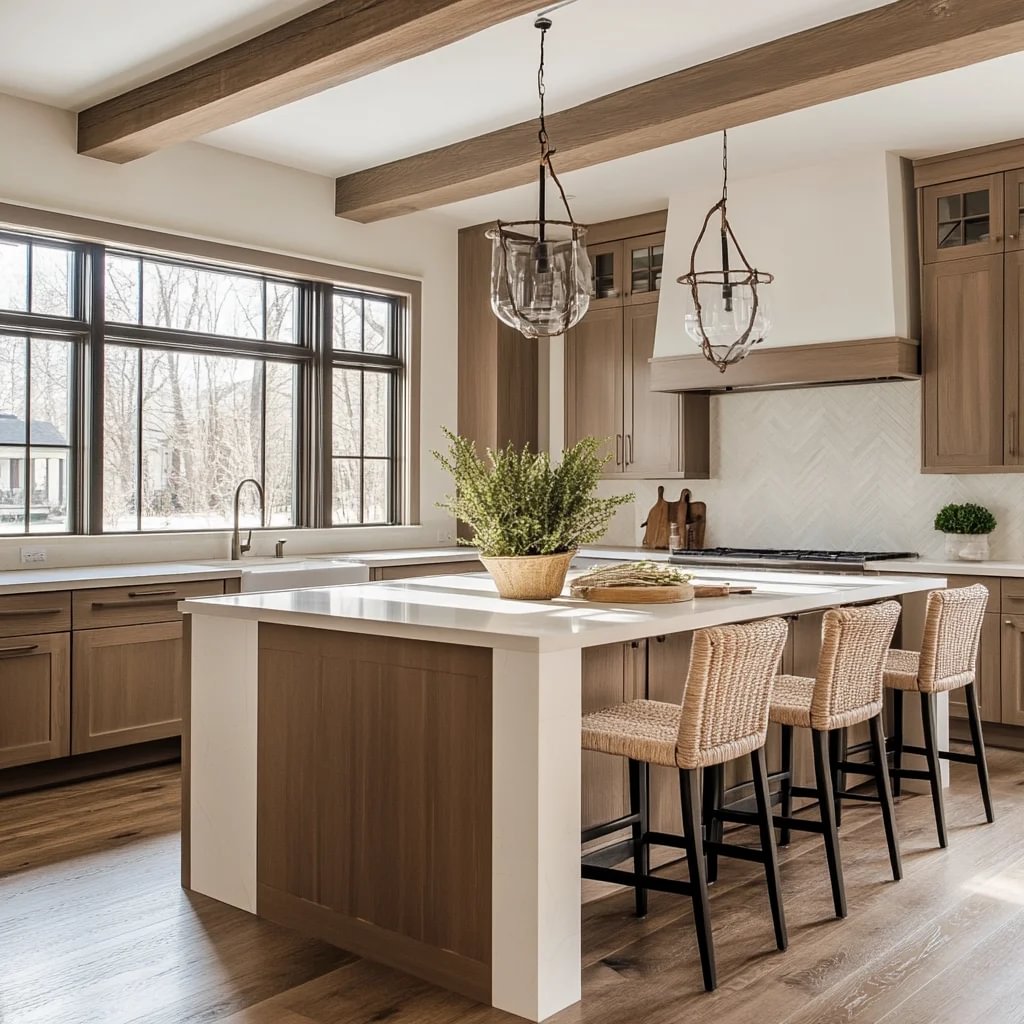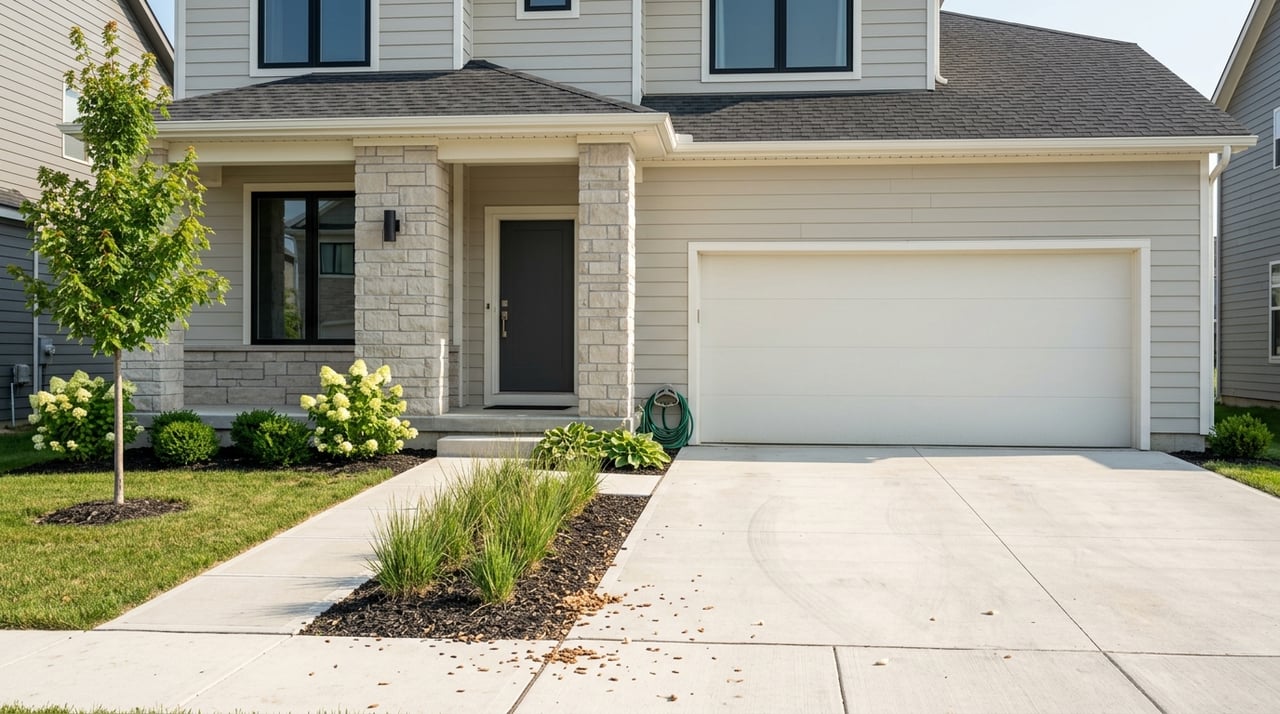
Buying new construction in Franklin can feel exciting and a little overwhelming at the same time. You may be comparing a quick move-in home, a semi-custom build, and a lot-and-home package, only to realize they come with very different prices, timelines, and decisions. The good news is that Franklin offers a wide range of new construction paths, and once you understand how they work, you can shop with a lot more confidence. Let’s dive in.
Franklin New Construction Basics
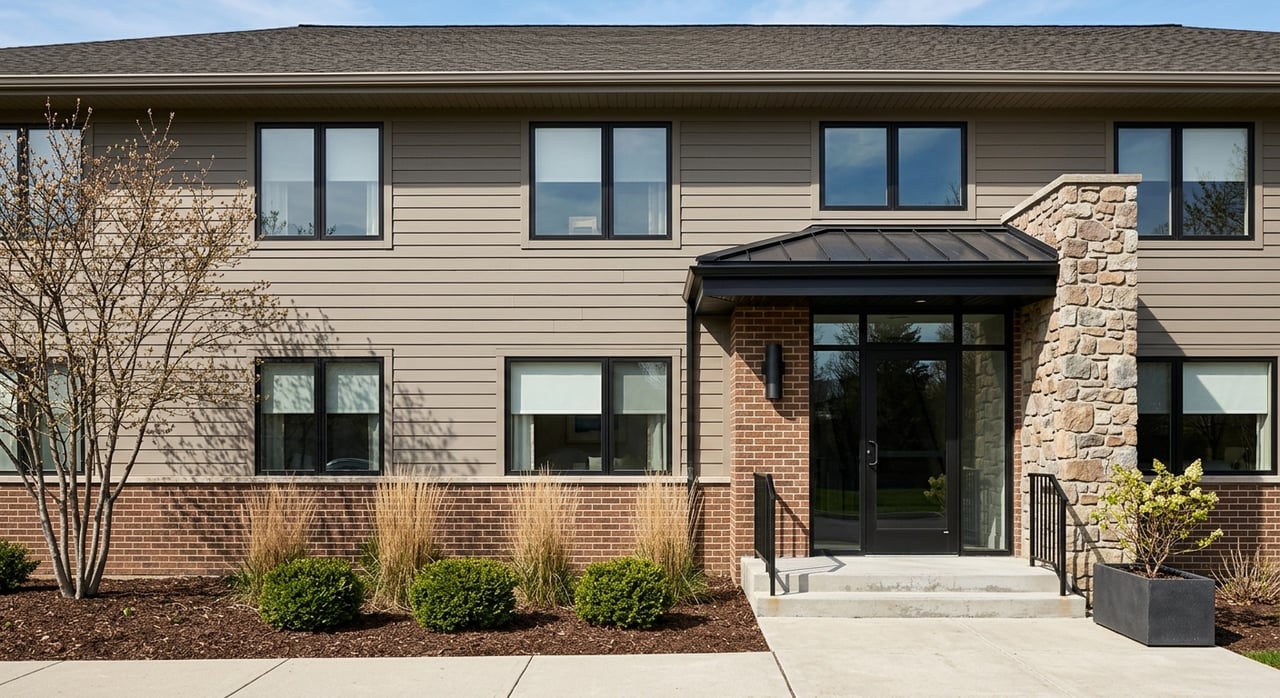
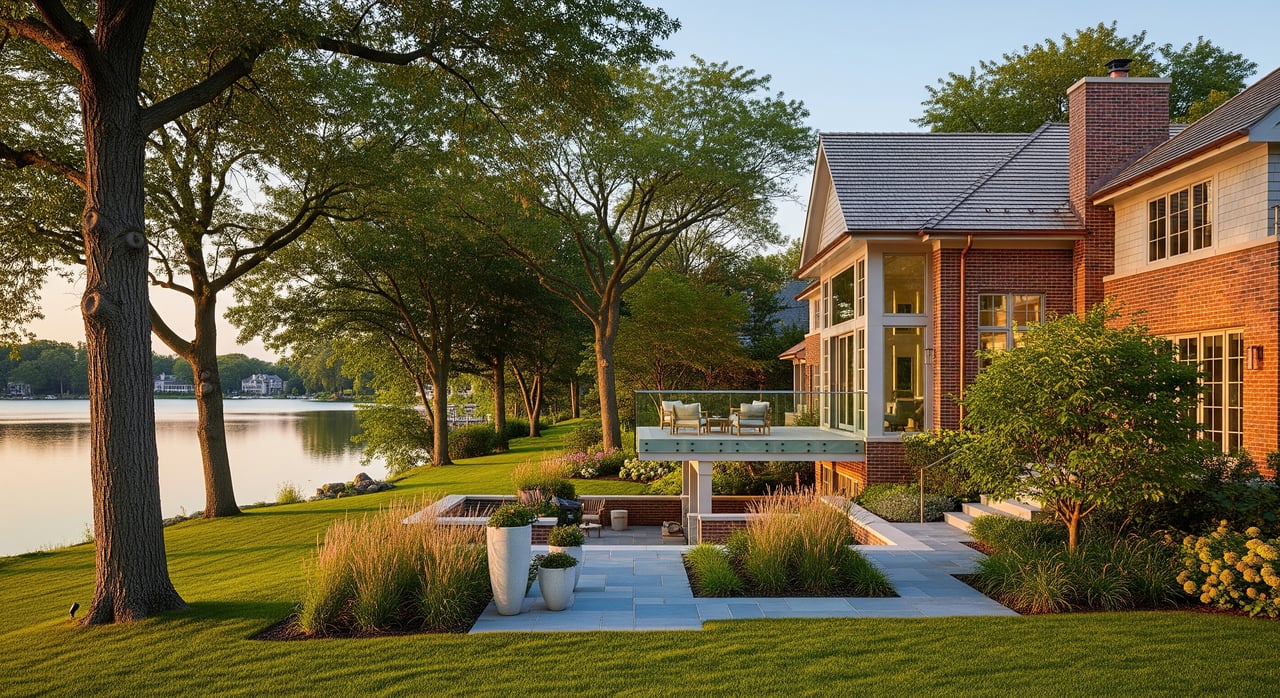
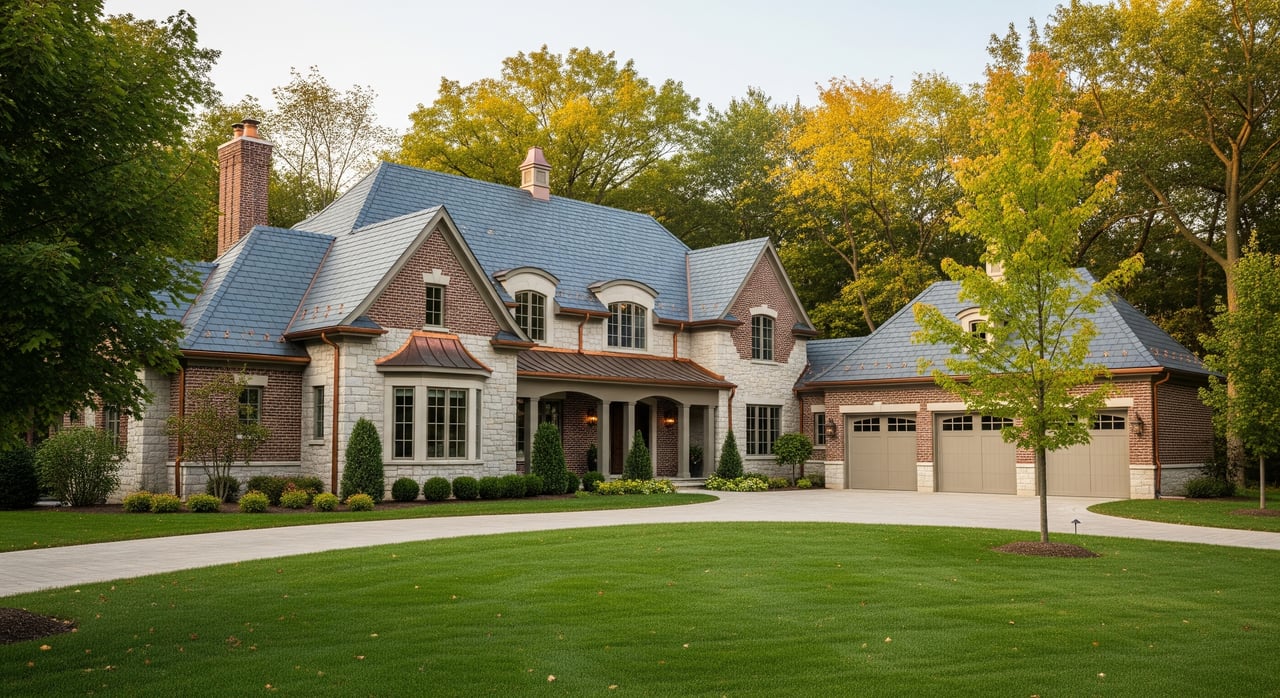
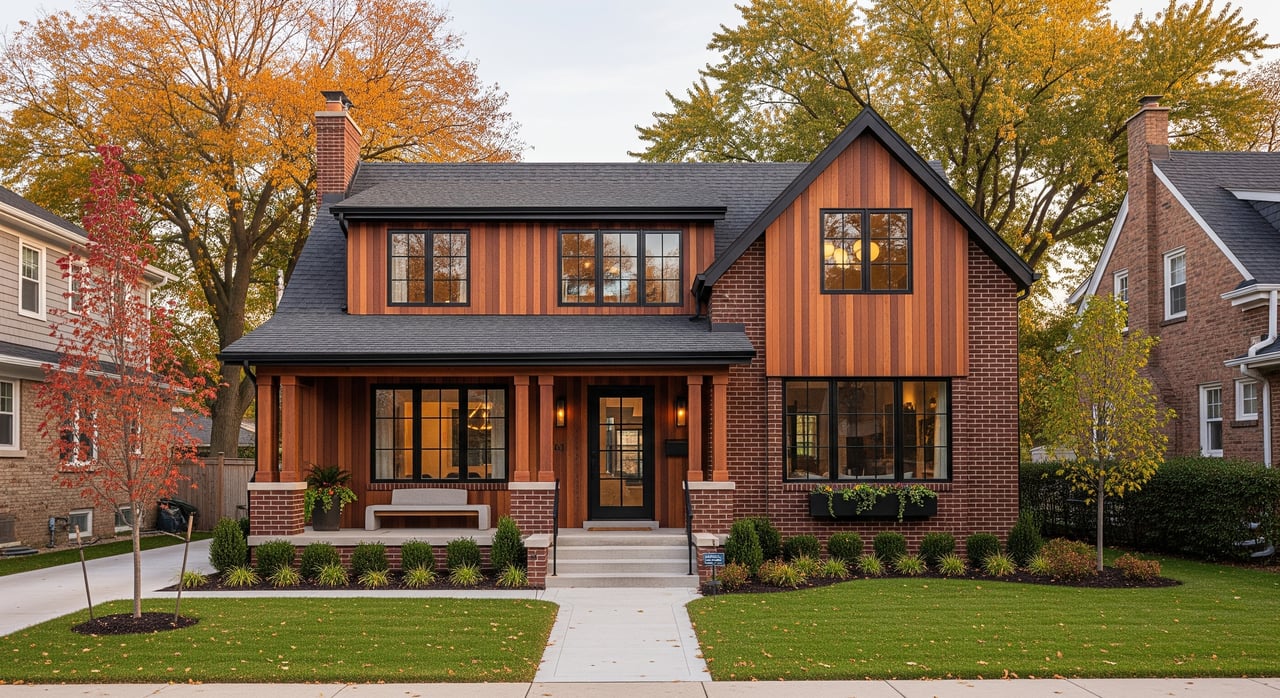
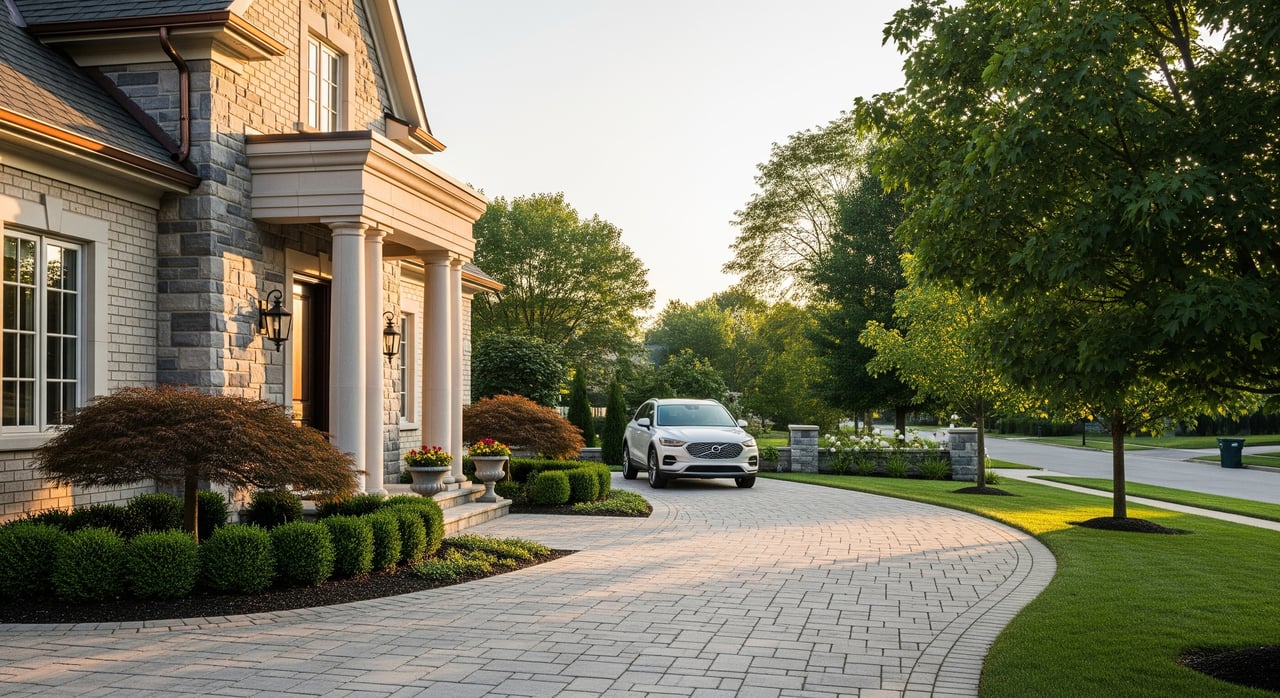
Franklin’s new-construction market is not just one thing. In this area, you may find planned suburban subdivisions, smaller cul-de-sac communities, and higher-end custom or lot-and-home packages.
That matters because each option can shape your budget, timeline, and level of customization. A move-in-ready production home usually works differently than a custom build tied to a specific lot, and those differences can show up early in the process.
Franklin’s local development rules also play an important role. The city’s Unified Development Ordinance rewrite took effect June 9, 2025, and the city notes it was the first complete rewrite since 1998. For buyers, that is a reminder that land use and development standards are active parts of the building process.
What New Construction Looks Like
If you are exploring new homes in Franklin, it helps to think in categories instead of treating every community the same. Based on the current market examples in the research, Franklin buyers are generally choosing among three main formats.
Production Homes
These are often built in planned communities with a set group of floor plans and finish options. Some homes may already be under construction or close to completion, which can make the timeline more predictable than a fully custom build.
This option can be a strong fit if you want a newer home with less decision fatigue. You may still have some choices, but the process is usually more streamlined than building from the ground up.
Semi-Custom Communities
Semi-custom neighborhoods typically offer a portfolio of plans with a wider range of options and upgrades. In Franklin, some builders market homes that can be tailored from a set lineup of plans, which gives you more personalization without starting from scratch.
This can be a nice middle ground if you want flexibility but also want the structure of an established community. Just be sure to ask what is included in the base price and what counts as an upgrade.
Lot-and-Home Packages
This is where Franklin starts to look very different from a standard subdivision search. Some properties are sold as a lot paired with a builder and home package, which may involve more customization, higher price points, and a longer timeline.
These opportunities can offer more control over the finished home, but they also tend to require more detailed review. You will want clarity on the lot cost, site work, utility connections, fees, and any builder-specific restrictions before you move forward.
Common Franklin Floor Plans
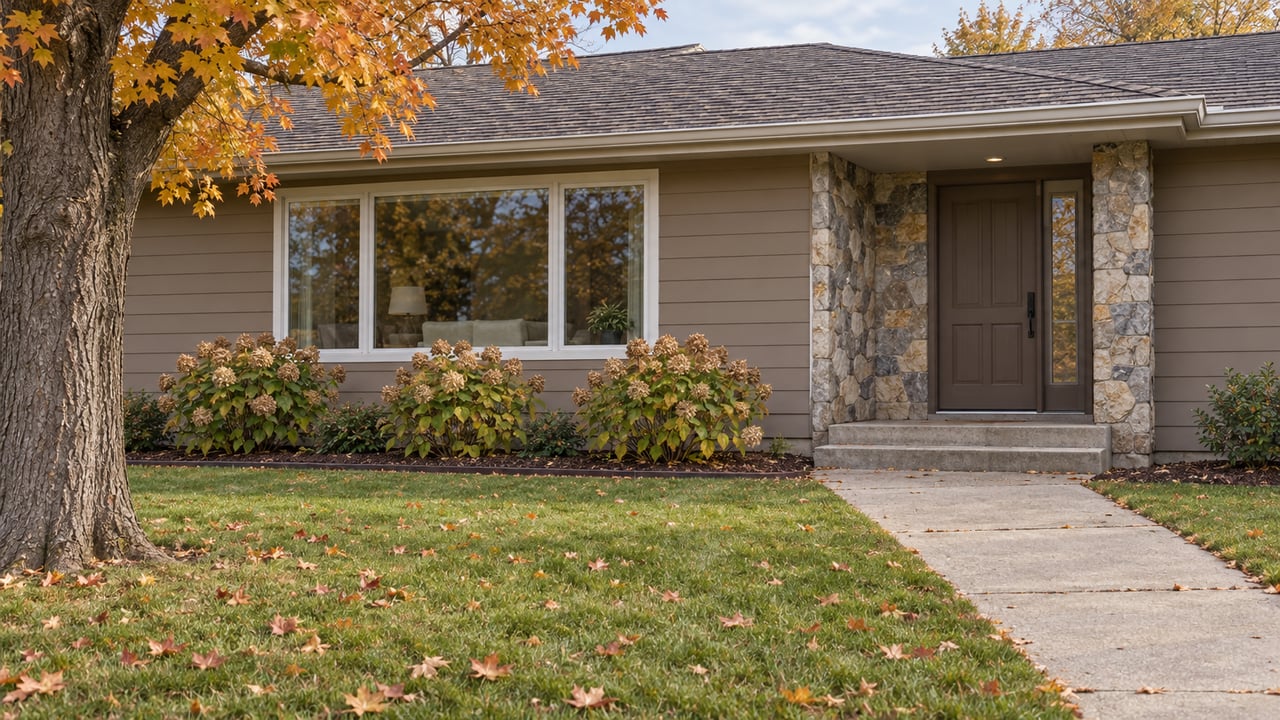
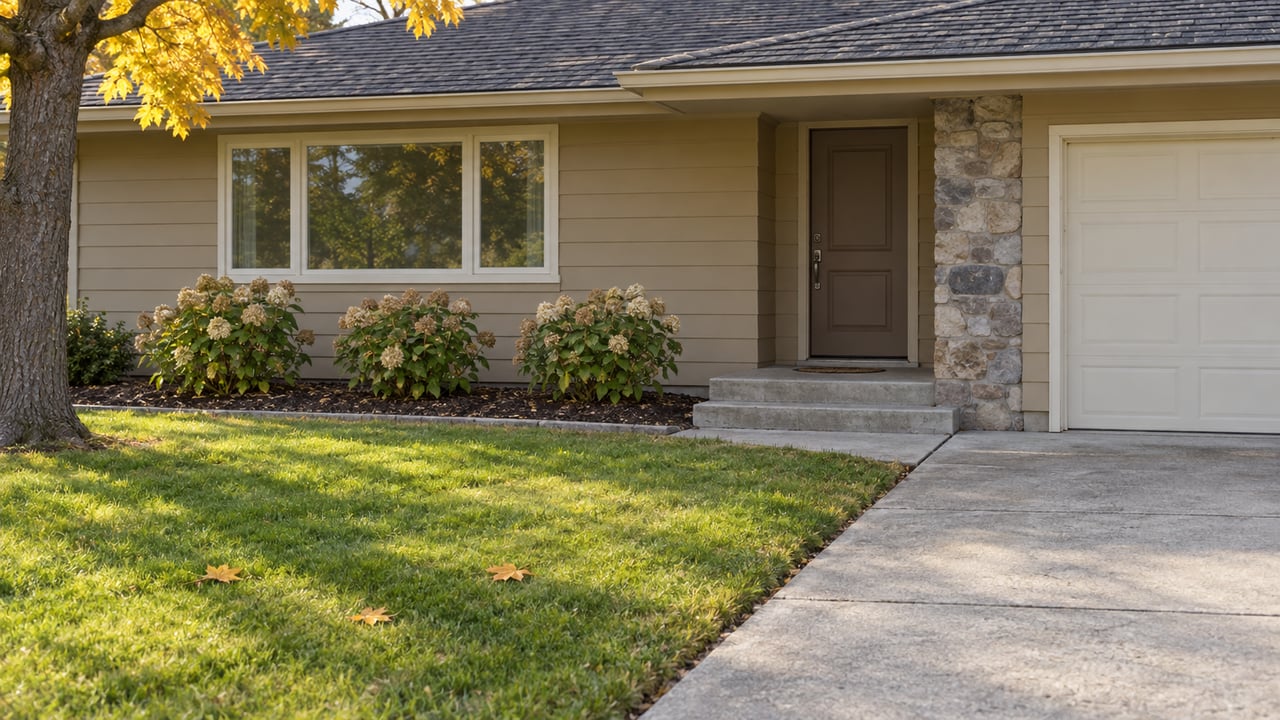
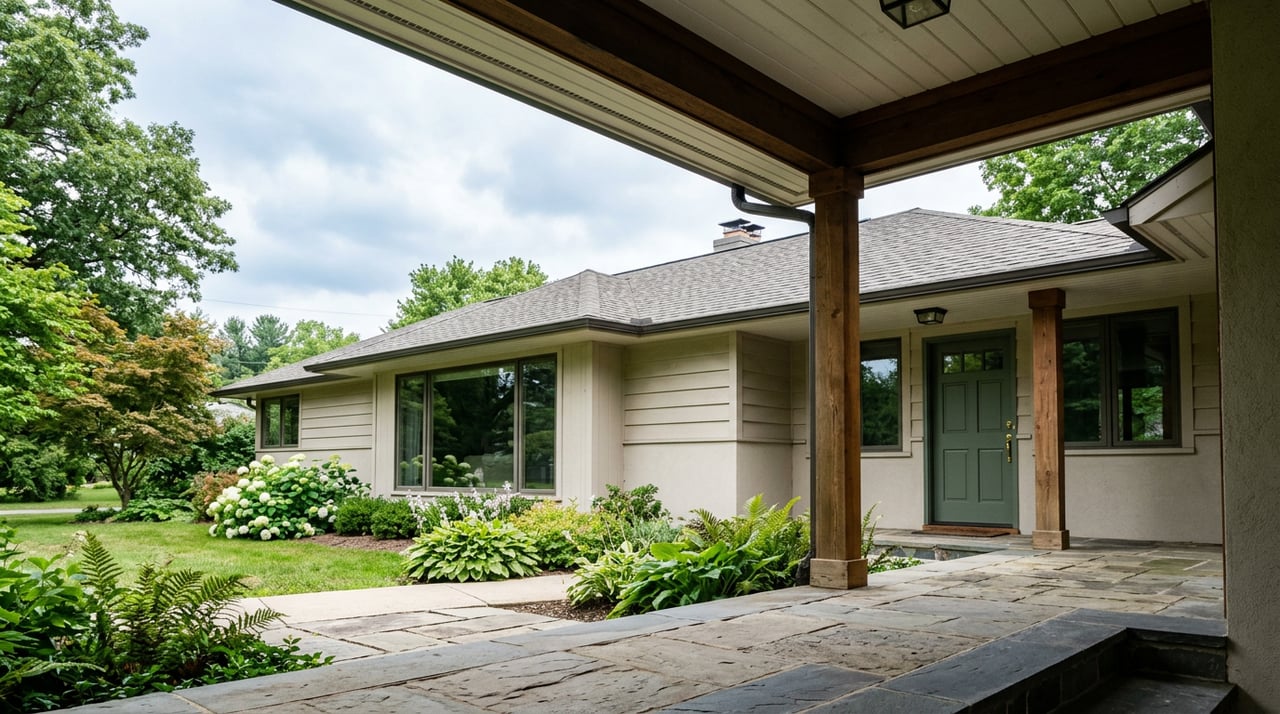
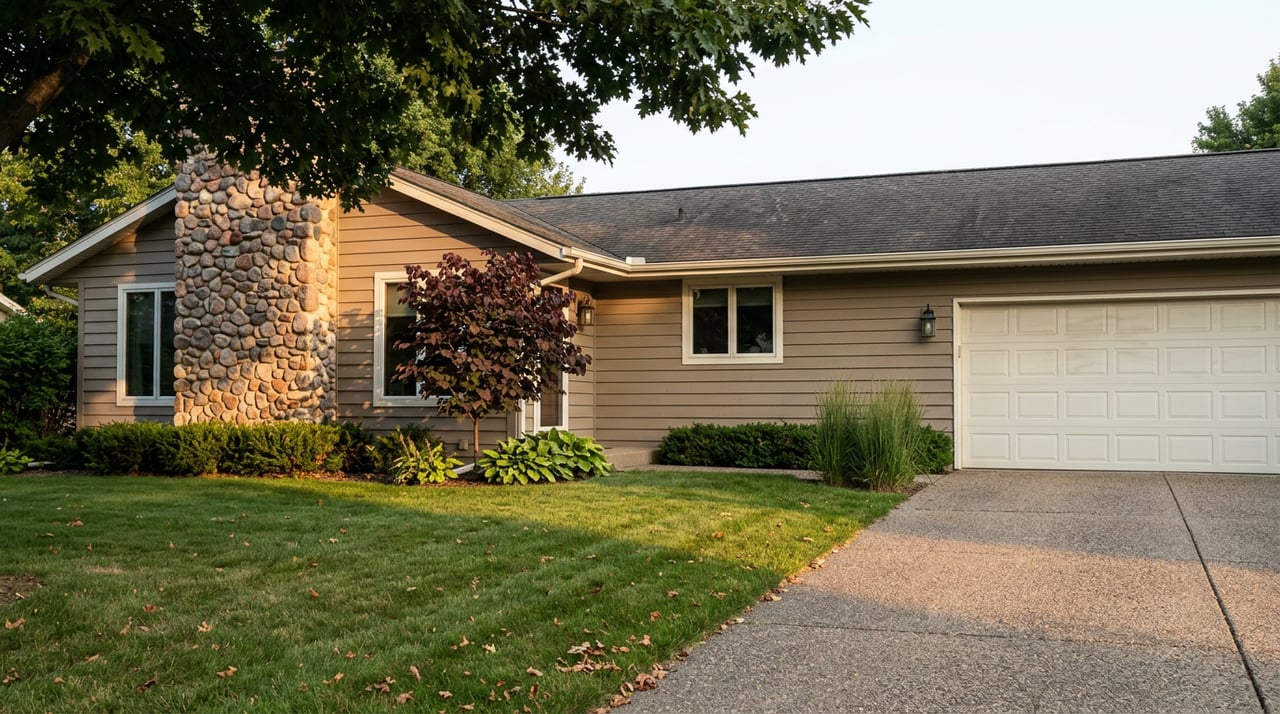
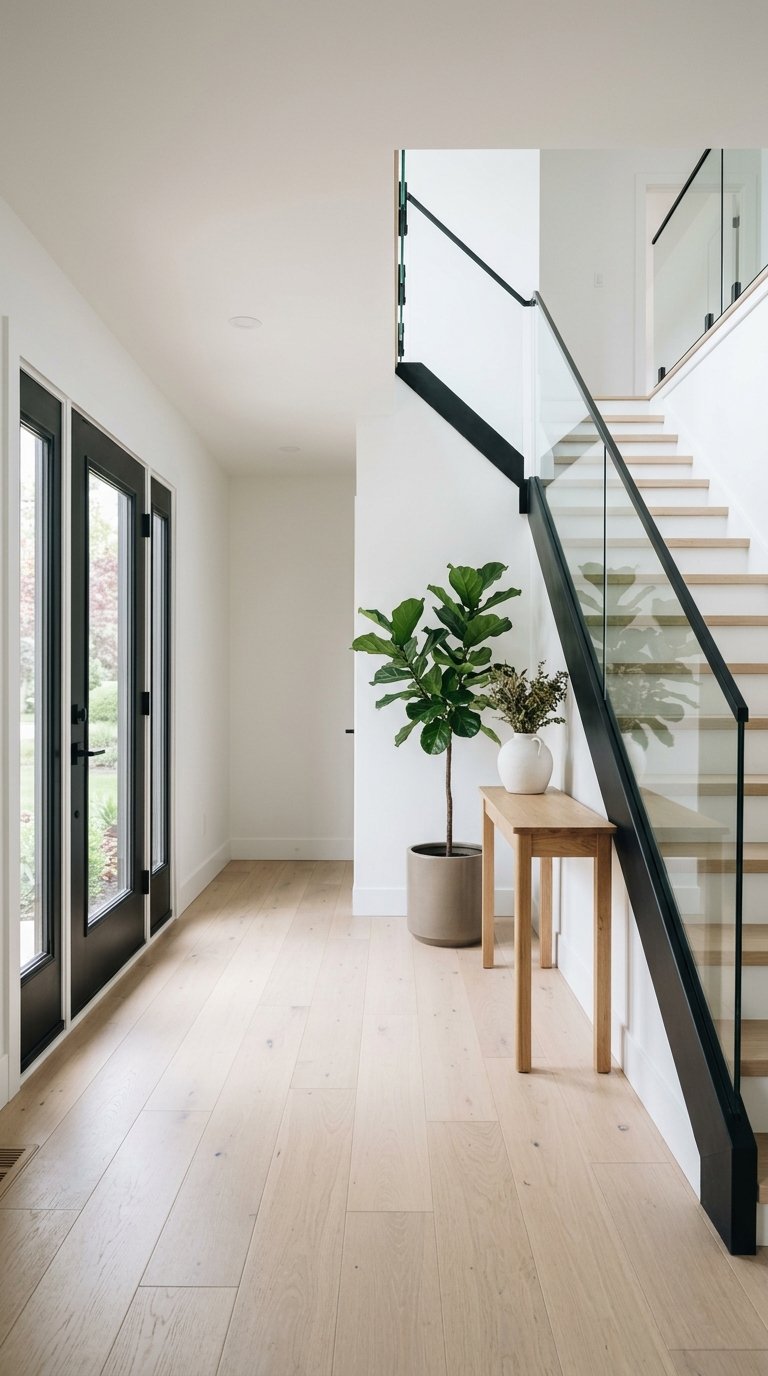
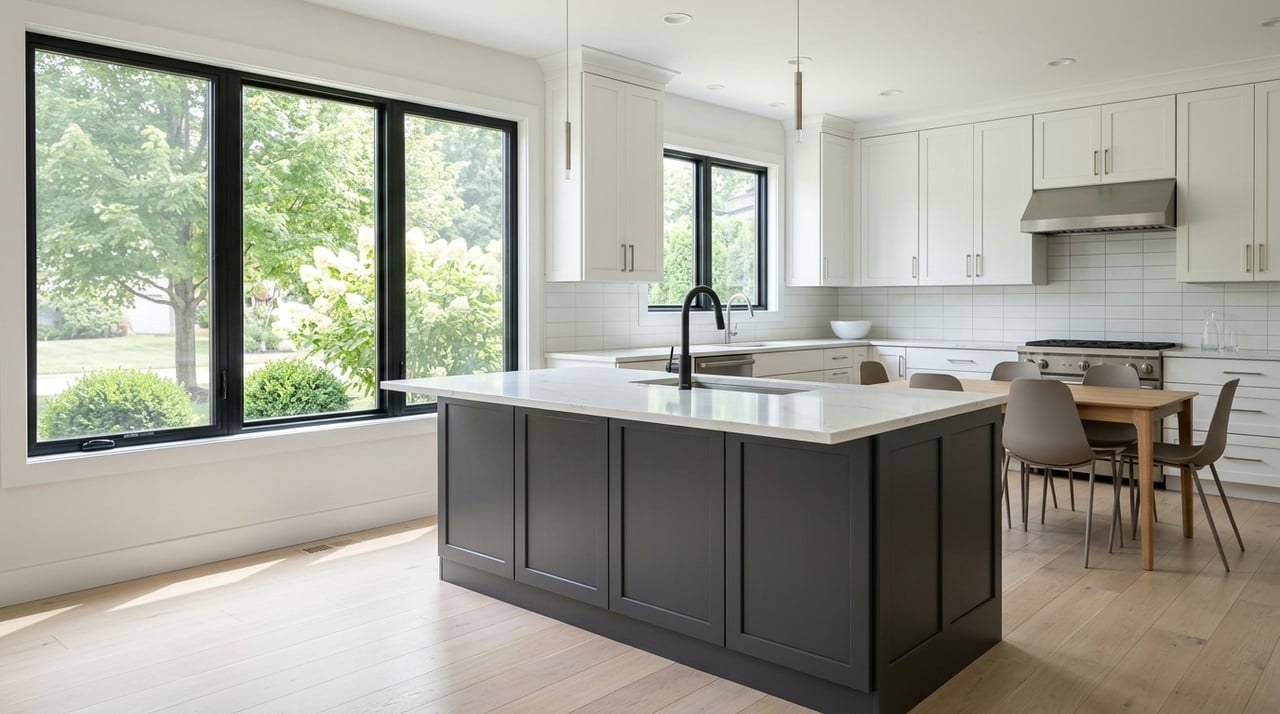
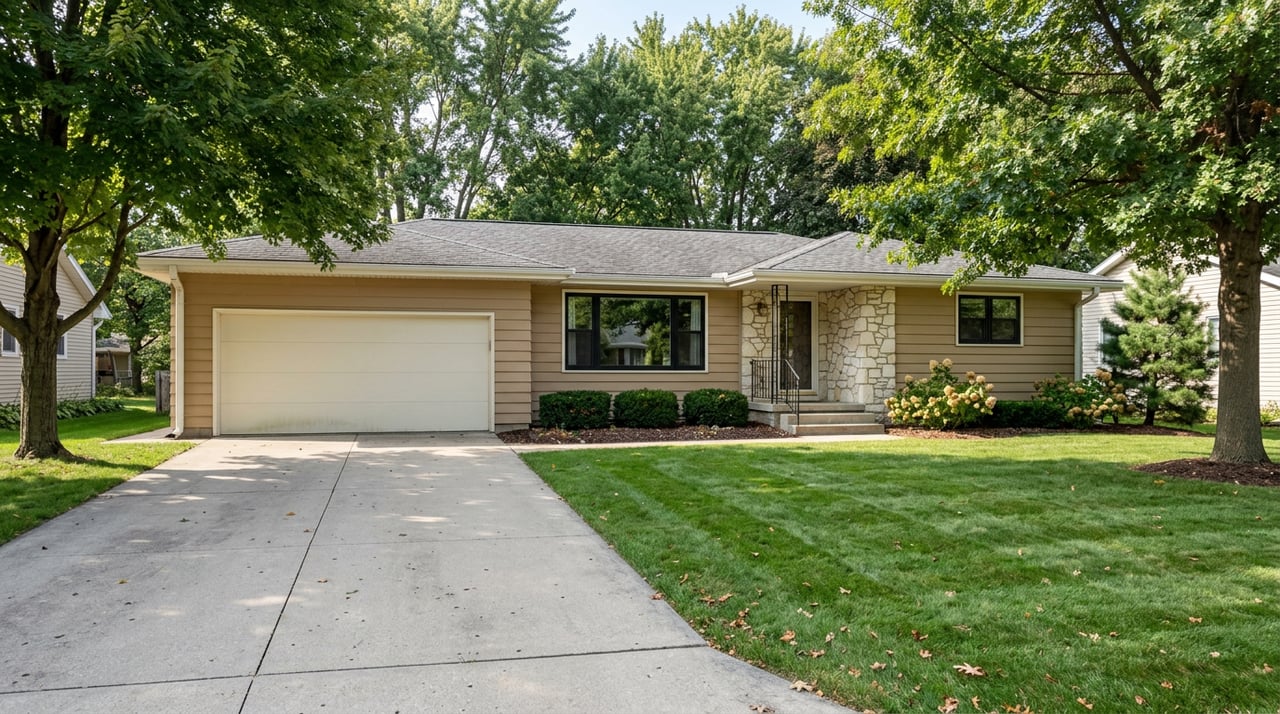
Franklin’s current new-construction inventory leans heavily toward single-family homes with practical suburban layouts. According to the research, common options include ranch homes, first-floor primary layouts, and two-story plans.
That gives you room to match the home style to the way you live. If you prefer single-level living, a ranch or first-floor primary plan may stand out. If you need more separation between living and sleeping spaces, a two-story plan may offer the layout you want.
The practical takeaway is simple: you are not limited to one style in Franklin. In the same suburb, you may be able to compare single-level living, larger family-oriented two-story homes, and homes with a first-floor primary suite.
City Fees and Permit Timing
When you budget for new construction, the list price is only part of the story. Franklin’s 2025 New Housing Fee Report lists $8,168 in impact fees per single-family unit, and the city notes there may be additional sewer fees in the southwest sanitary sewer service area.
That is why it is so important to ask for the true total cost, not just the advertised starting price. Depending on the property, you may need to account for the lot, site work, sewer and water costs, impact fees, and any HOA or covenant-related expenses.
Permit timing matters too. Franklin says new-dwelling permit applications must go through DSPS before city submittal, and the city’s permit page says new residential permits are processed in the order received with a minimum of 10 business days. Even in a smooth transaction, that means some timing pieces are outside your builder’s control.
Financing Works Differently
New construction financing is often different from financing a resale home. The Consumer Financial Protection Bureau explains that a construction loan is usually a short-term loan that funds the build in advances as work progresses, and it often carries a higher interest rate than a long-term mortgage.
You may also hear about construction-to-permanent financing. CFPB, Freddie Mac, and Fannie Mae note that this can be structured as a one-time close or a two-time close, with single-closing construction-to-permanent loans converting into a long-term mortgage once the home is finished.
This is one reason it helps to talk with lenders early. Your financing path can affect your monthly costs during the build, your cash needed upfront, and how you plan your timeline.
Deposits, Contingencies, and Lender Choice
The early contract stage in new construction can move fast. CFPB says builders may ask for an upfront builder deposit, also called earnest money, so you should always ask when that deposit is refundable and under what conditions.
It is also important to remember that you do not have to use the builder’s affiliated lender. According to the CFPB homebuying guidance, you can shop around for your own lender and compare options.
CFPB also recommends financing and inspection contingencies so you are not locked into the purchase if financing falls through or an inspection reveals a problem. Those protections can be especially important when the home is still being built.
Timeline Expectations in Franklin
One of the biggest misconceptions about new construction is that every home follows the same schedule. In reality, Franklin listings in the research show both under-construction homes with estimated completion dates and quick move-in opportunities.
That means your timeline may vary quite a bit depending on what you choose. A nearly finished home may offer more certainty, while a custom or semi-custom build may involve a longer runway and more moving parts.
If timing matters to you, ask direct questions about permit status, construction stage, selection deadlines, and what happens if the completion date slips. A realistic timeline is better than an optimistic one that leaves you scrambling.
Questions to Ask a Builder
Before you commit to a new construction home in Franklin, ask detailed questions and get the answers in writing when possible. A few of the most important ones include:
- What is the total price, and does it include the lot, site work, impact fees, sewer and water, and any HOA or covenant-related costs?
- Is this a standalone lot, a lot-and-home package, or a production home in a preset community?
- What selections or changes can still be made, and when are the deadlines?
- What deposit is required, and when is it refundable?
- Do you have to use the builder’s lender, or can you choose your own?
- What happens if the completion date changes?
- What inspections and contingencies are allowed?
- Are there recorded covenants, HOA rules, or exclusive-builder restrictions?
These questions can help you compare opportunities more accurately. They also make it easier to understand whether one home is truly a better fit or just presented more attractively on paper.
Why Buyer Representation Matters
New construction often looks simple from the outside, but the details can be more layered than a resale purchase. You may be reviewing builder contracts, fee structures, lender options, title and settlement timing, and selection deadlines all at once.
CFPB recommends working with an agent who has experience in your preferred neighborhoods, price range, and home type, and it also says you should understand who the agent represents. In a market like Franklin, that guidance is especially useful because the area includes multiple community types and city-specific development steps.
A knowledgeable buyer’s agent can help you compare options, ask sharper questions, coordinate with your lender and closing providers, and weigh the tradeoffs between a faster move-in home and a longer custom-build process. If you are exploring new construction in Franklin and want a steady local guide, Kuss & Co. Homes can help you navigate the options with clear communication and practical advice.
FAQs
What types of new construction are available in Franklin?
- Franklin offers a mix of production homes, semi-custom communities, and lot-and-home or custom-build packages.
How much are Franklin impact fees for a new single-family home?
- Franklin’s 2025 New Housing Fee Report lists impact fees of $8,168 per single-family unit, with possible additional sewer fees in certain service areas.
How long do new residential permits take in Franklin?
- Franklin says new residential permits are processed in the order received with a minimum of 10 business days, and new-dwelling applications must go through DSPS before city submittal.
What home styles are common in Franklin new construction?
- Current offerings in the research commonly include ranch homes, first-floor primary layouts, and two-story single-family plans.
Do you have to use the builder’s lender for a new construction home?
- No. CFPB says you do not have to use the builder’s affiliated lender, and you should shop around to compare financing options.
What should you ask before signing a new construction contract in Franklin?
- Ask about the full price, included fees, lot status, customization deadlines, deposit refund terms, lender choice, completion timing, inspections, contingencies, and any HOA or covenant restrictions.