What does lake life in Muskego look like for you? Quiet sunrise paddles with sandhill cranes calling, or sunset cruises and ski shows with neighbors cheering from the shore? If you are weighing a move near the water, you have great options in Big Muskego, Little Muskego, and Lake Denoon. In this guide, you will learn how each lake feels, where you can launch and swim, what local homes are like, how pricing trends look, and the key questions to ask before you write an offer. Let’s dive in.
Muskego’s three lakes at a glance
Big Muskego Lake: wild and quiet
Big Muskego Lake spans roughly 2,260 acres and reads more like a marsh complex than a deep, open lake. It is prized for wildlife, waterfowl, and peaceful paddling. Bass Bay connects to Big Muskego and offers a deeper embayment for small‑craft recreation. Much of the shoreline is protected as a state wildlife area, which keeps the feel serene and nature‑forward. Learn more about the setting from the Wisconsin DNR’s overview of the Big Muskego Lake Wildlife Area.
Little Muskego Lake: social and active
Little Muskego covers about 481 acres and is the social hub for summer fun. You will find a public beach, frequent pontoon traffic, and weekly water‑ski shows. The lake district actively manages aquatic plants and monitors invasive species to keep navigation and recreation on track. For regional context on lake management programs, see SEWRPC’s page on Lakes and Streams. If you enjoy festivals and community events, the Muskego Water Bugs host free summer shows that start from Idle Isle. Get the schedule on the Muskego Water Bugs site.
Lake Denoon: deeper and balanced
Lake Denoon is roughly 160 to 170 acres with notably deeper water that can exceed 50 feet in spots. The shoreline feels residential and neighborhood‑oriented, with a public boat ramp at Denoon Park and community green space nearby. If you want good swimming depth without the all‑day buzz, Denoon often lands in the sweet spot. The City of Muskego’s parks plan outlines Denoon Park access, shoreline context, and other lake facilities in detail. You can browse the city’s parks and conservation plan for maps and descriptions.
Where you launch, swim, and watch shows
- Idle Isle Park on Little Muskego is the main hub for beach days, a fishing pier, a walking path, concessions in season, and the Water Bugs’ show site. The park includes a boat launch and typically uses seasonal parking controls during peak times.
- Denoon Park serves Lake Denoon with the public ramp plus athletic fields and walking trails.
- Big Muskego access points include Durham Drive and Boxhorn Drive. These launches are common gateways to Big Muskego and Bass Bay.
Many regional boat launches charge a daily fee and have limited parking that fills quickly on event nights and summer weekends. For a quick look at southeast Wisconsin launch sites and typical fee expectations, check the regional boat launches list. For park site details in Muskego, the city’s parks and conservation plan is a helpful reference.
What lake‑area homes look like
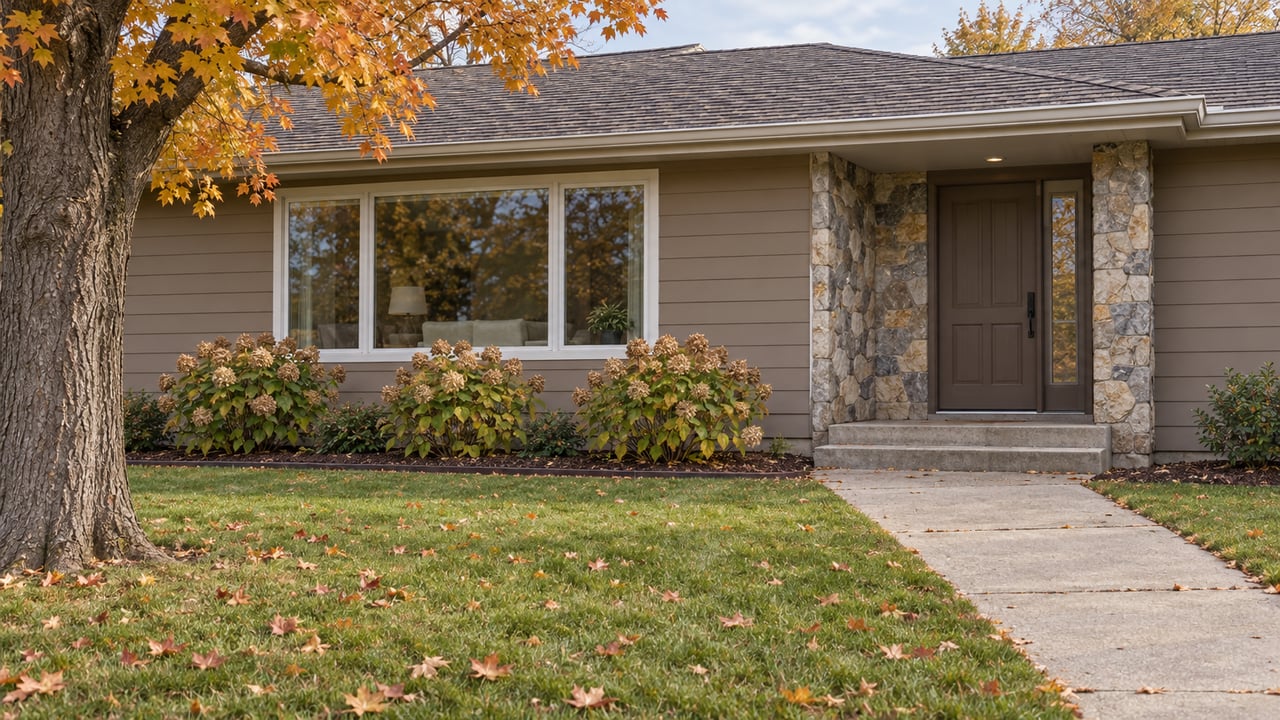
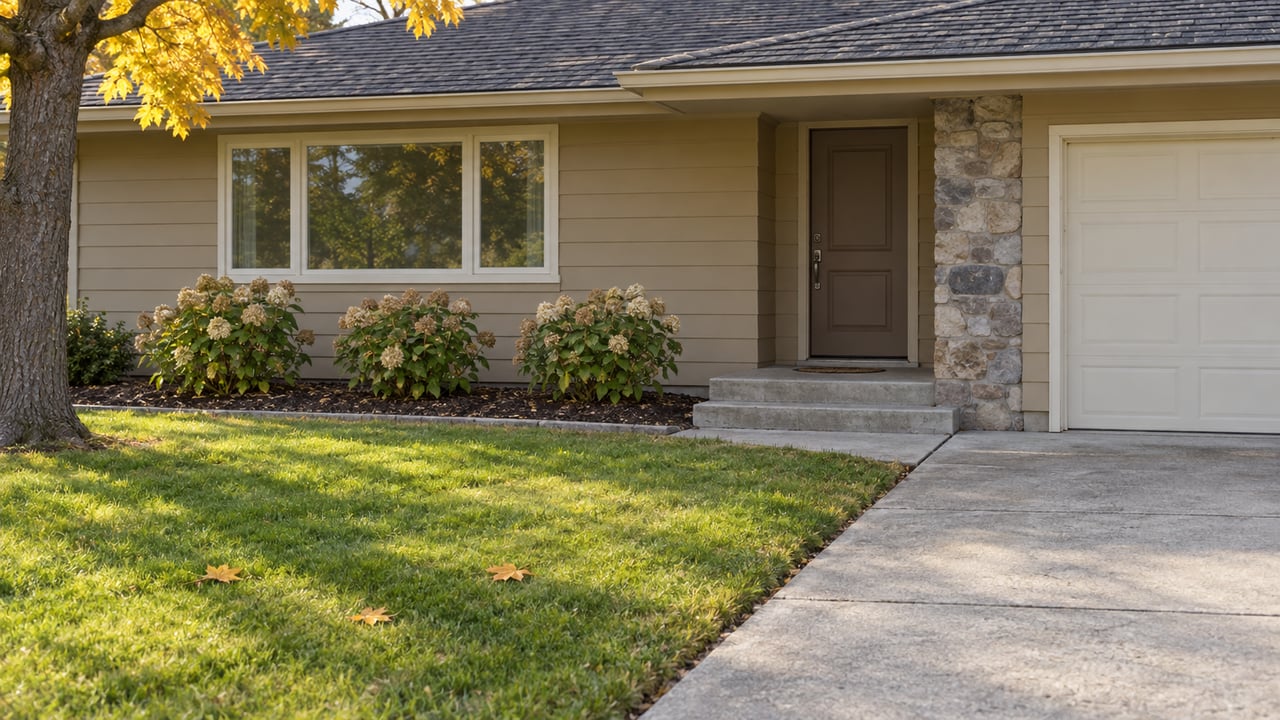
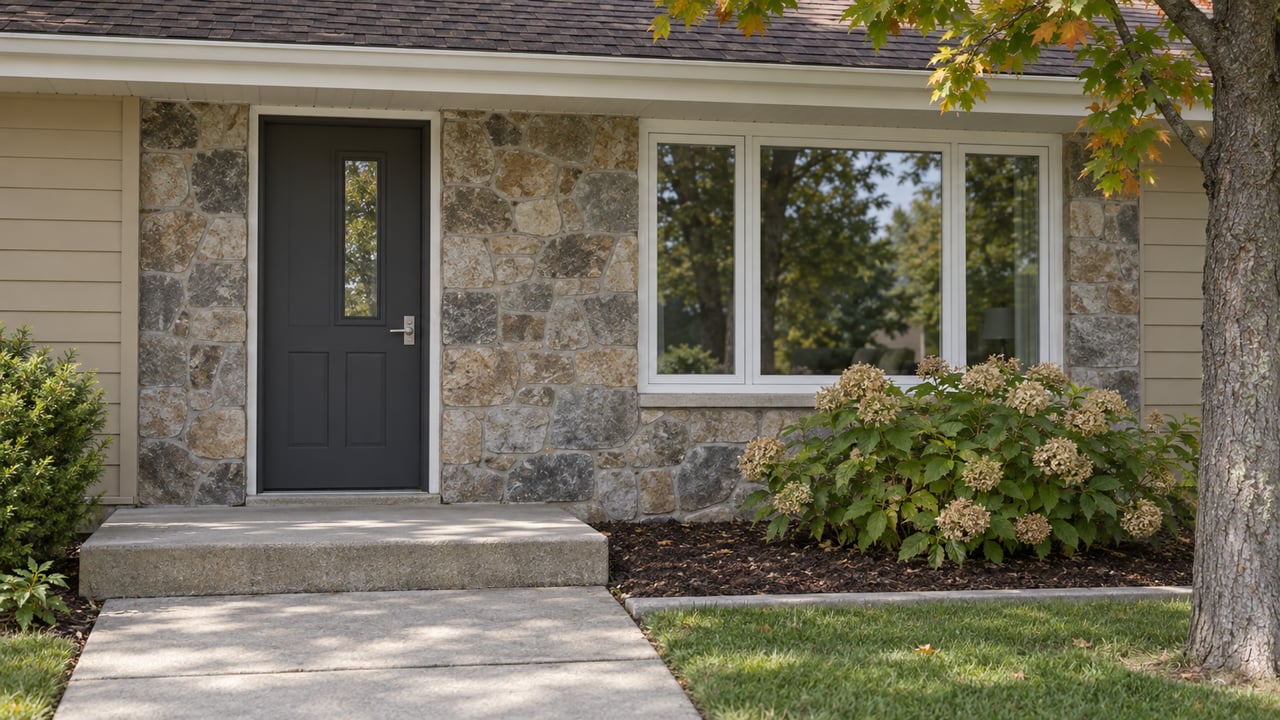
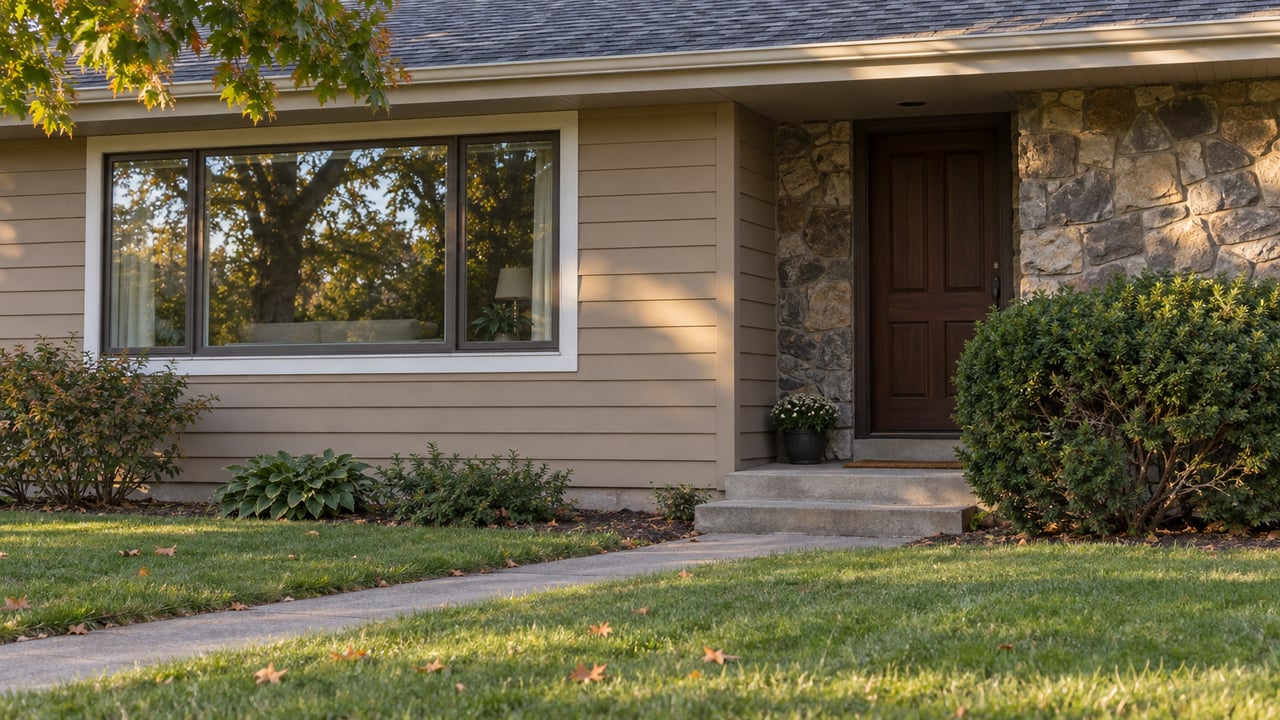
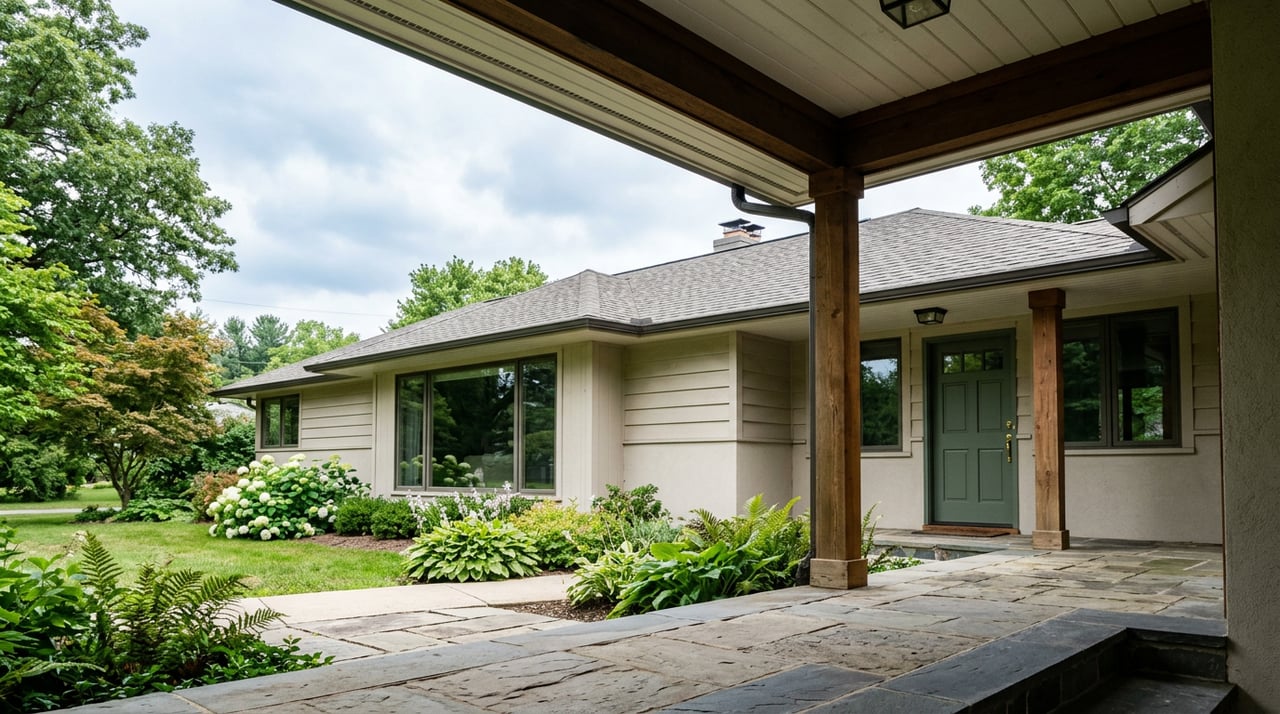
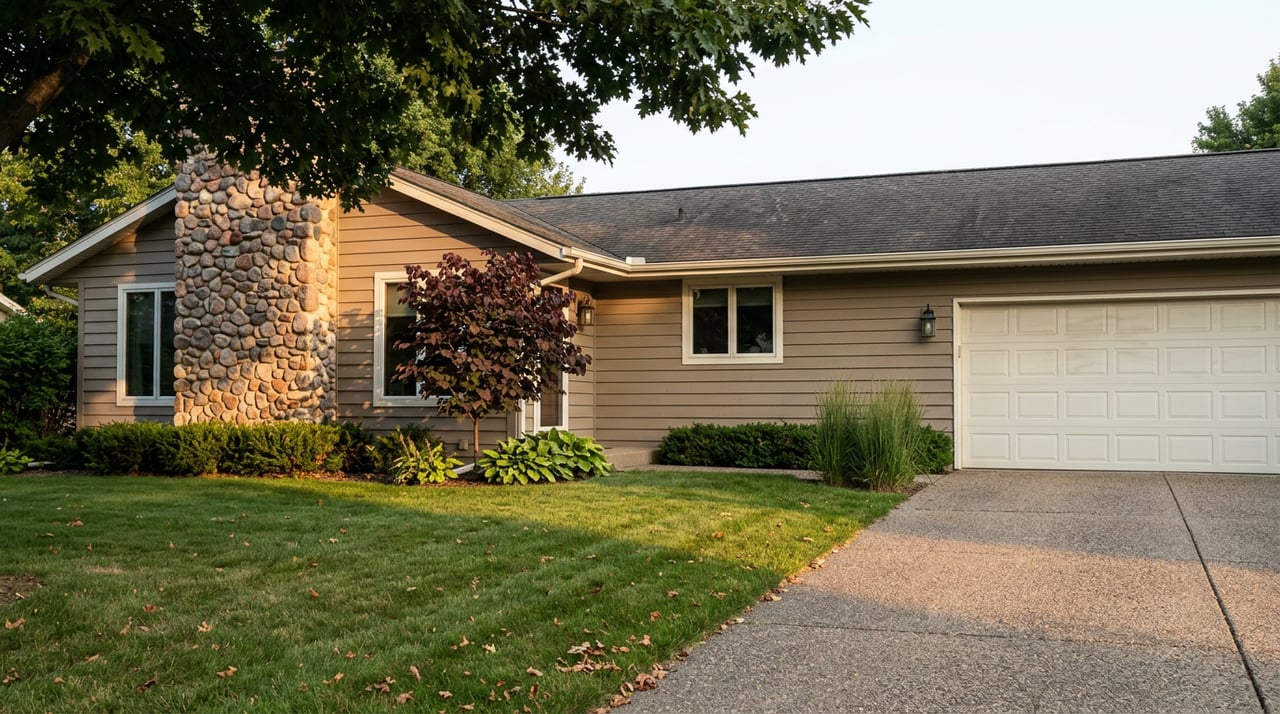
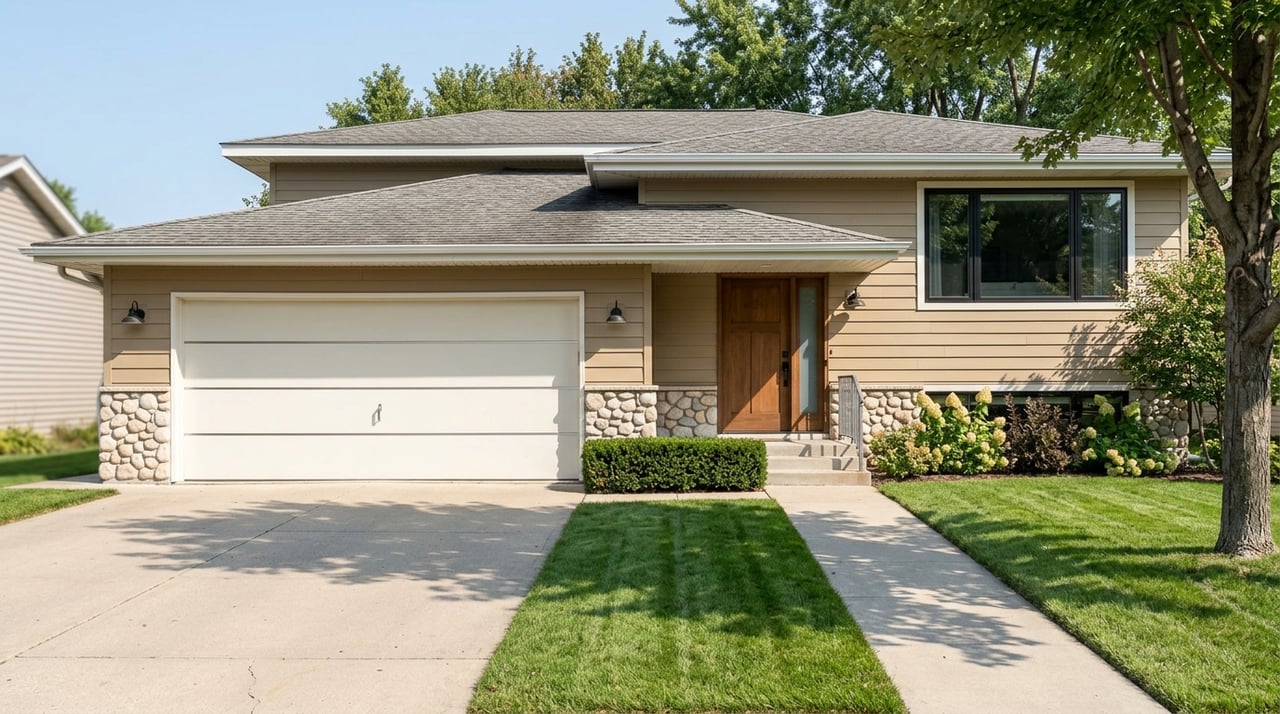
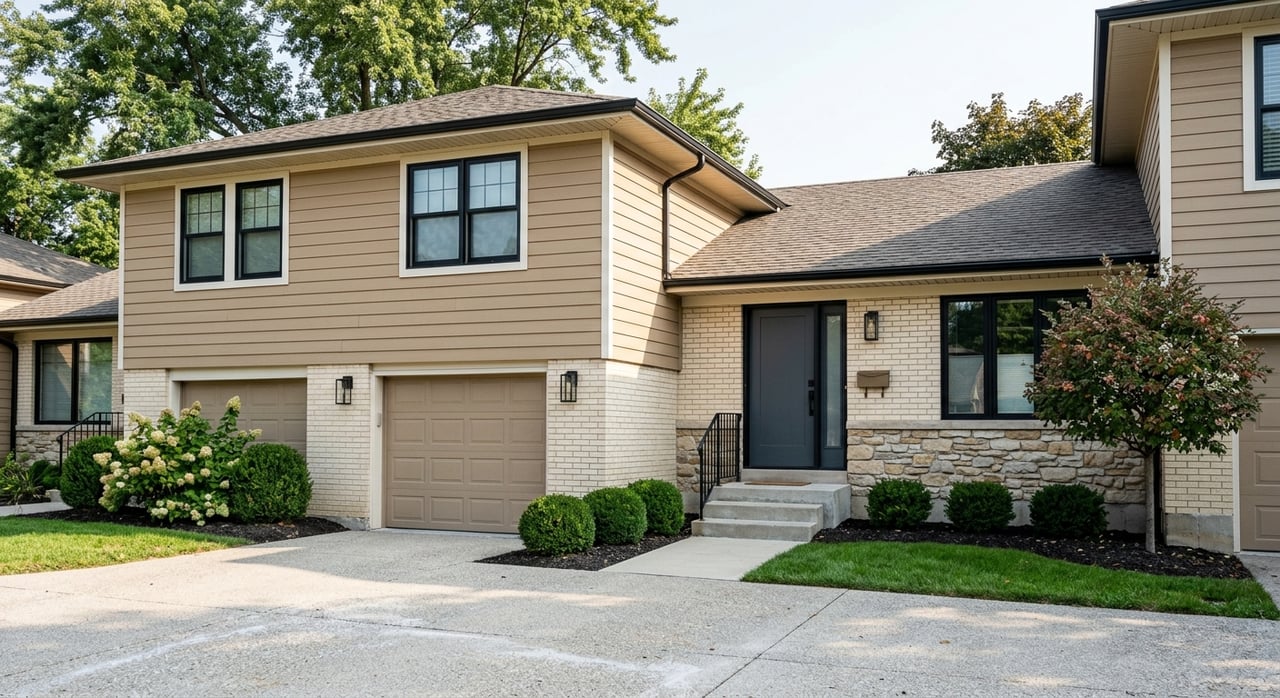
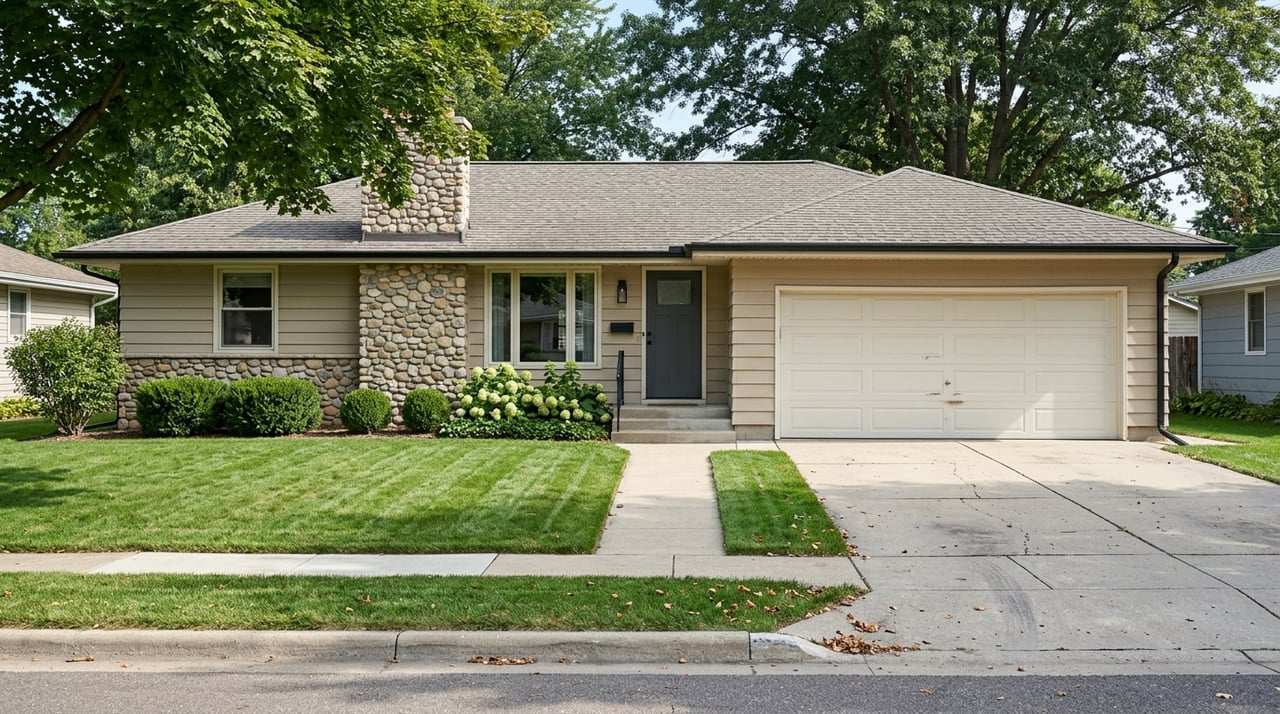
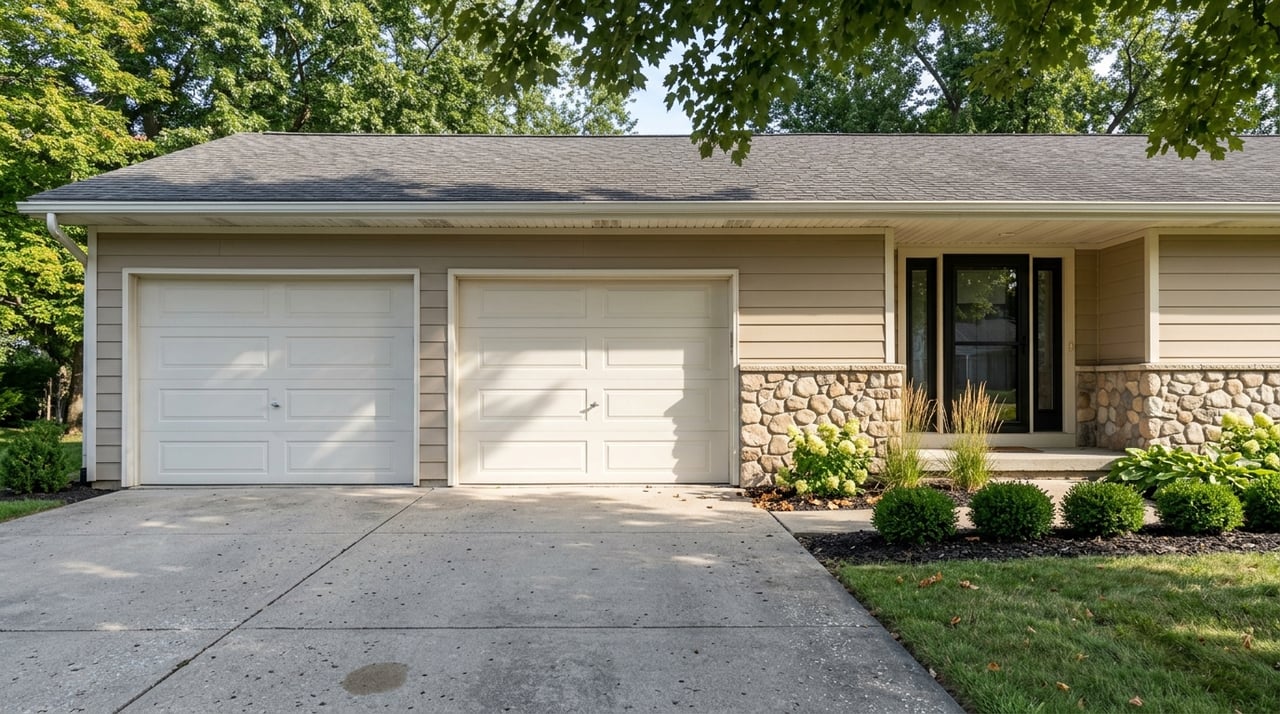
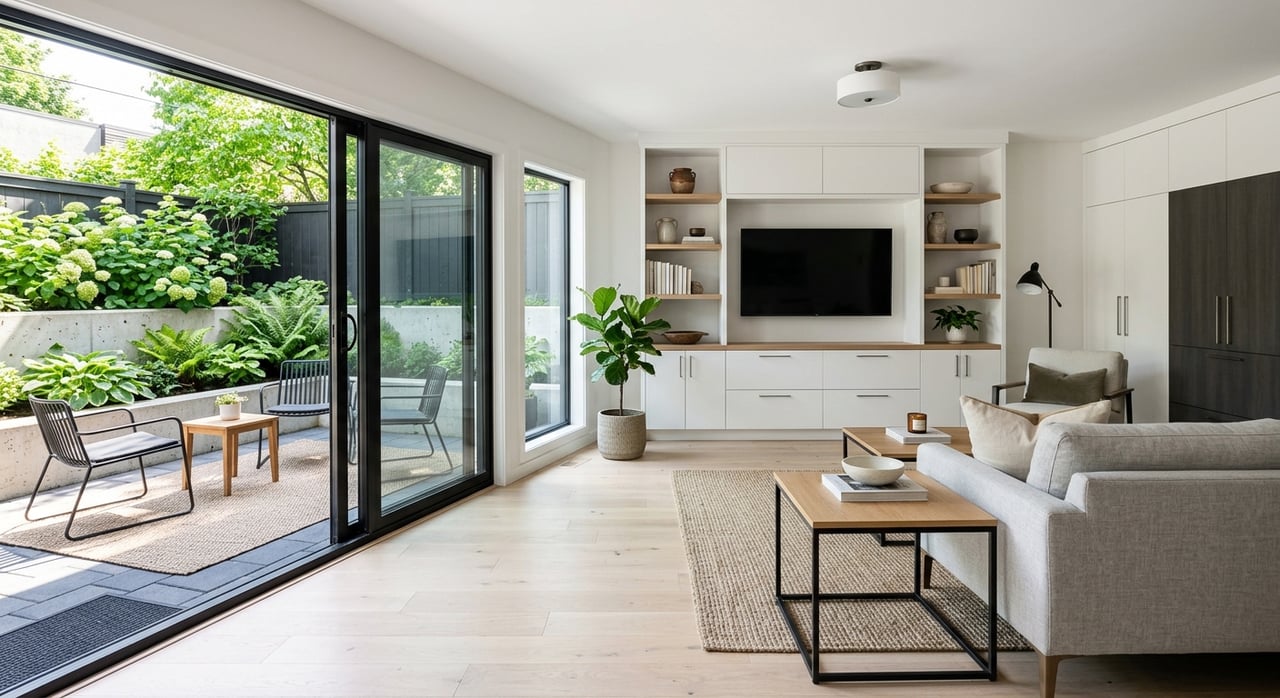
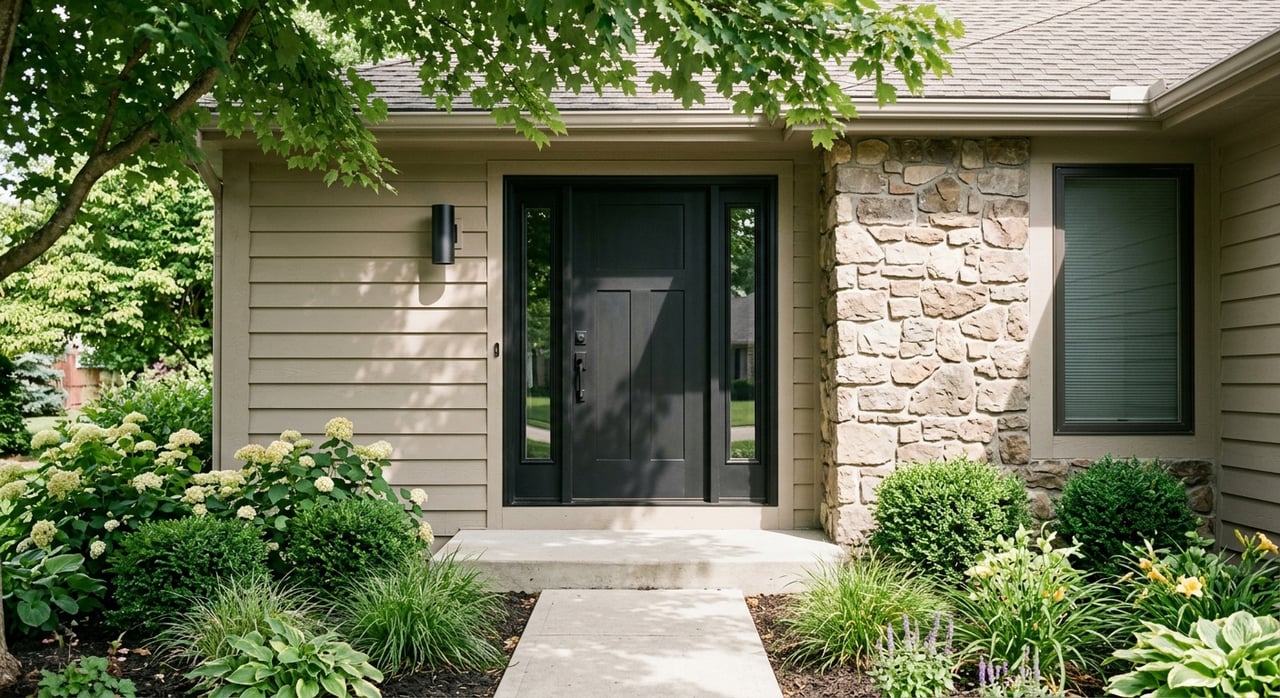
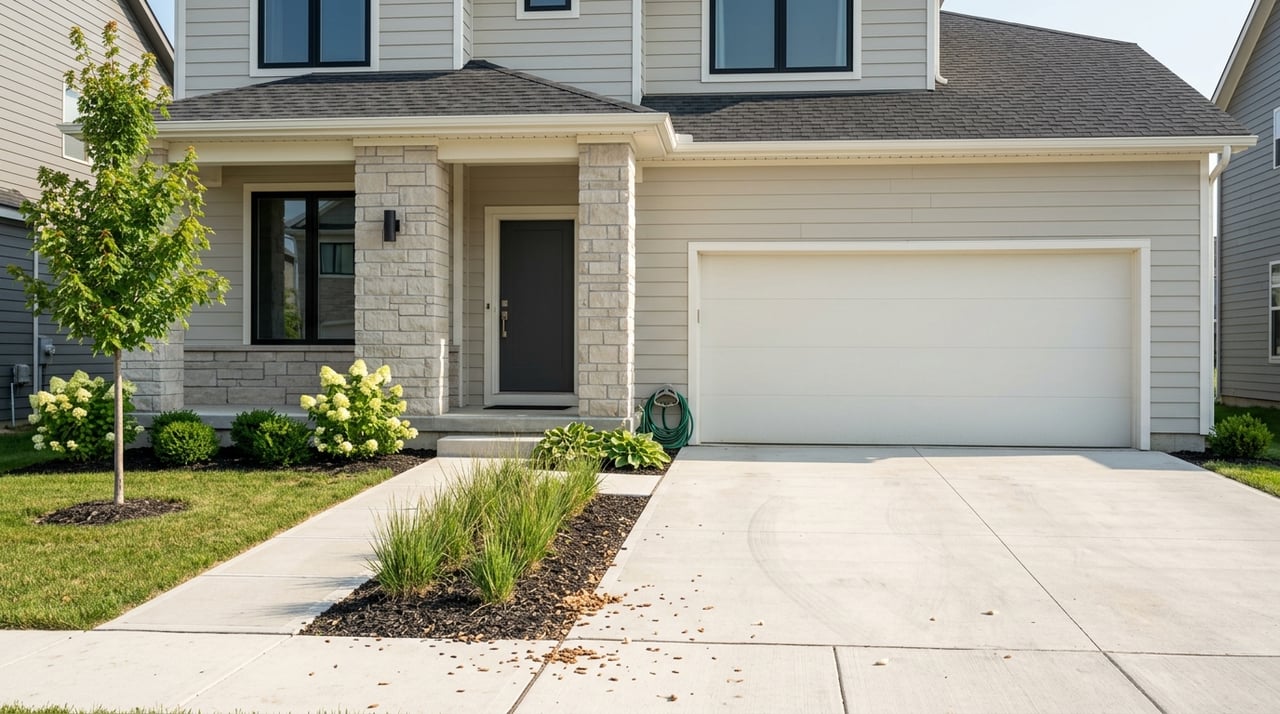
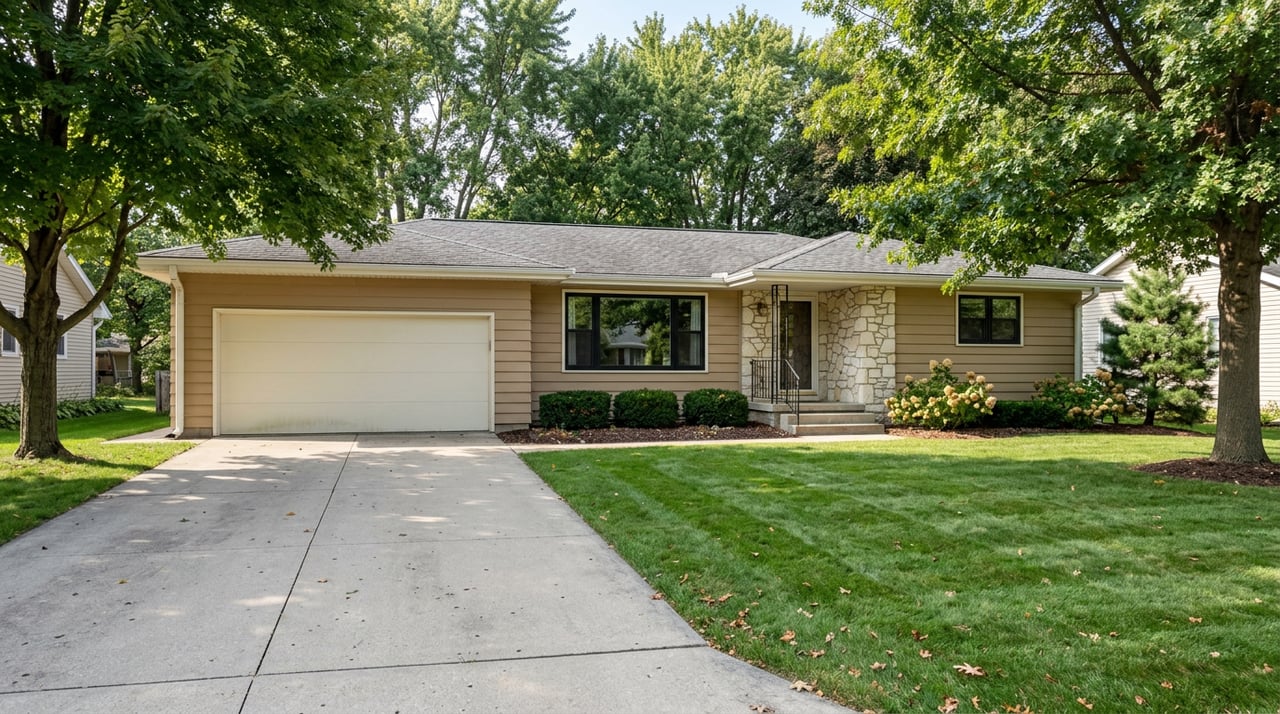
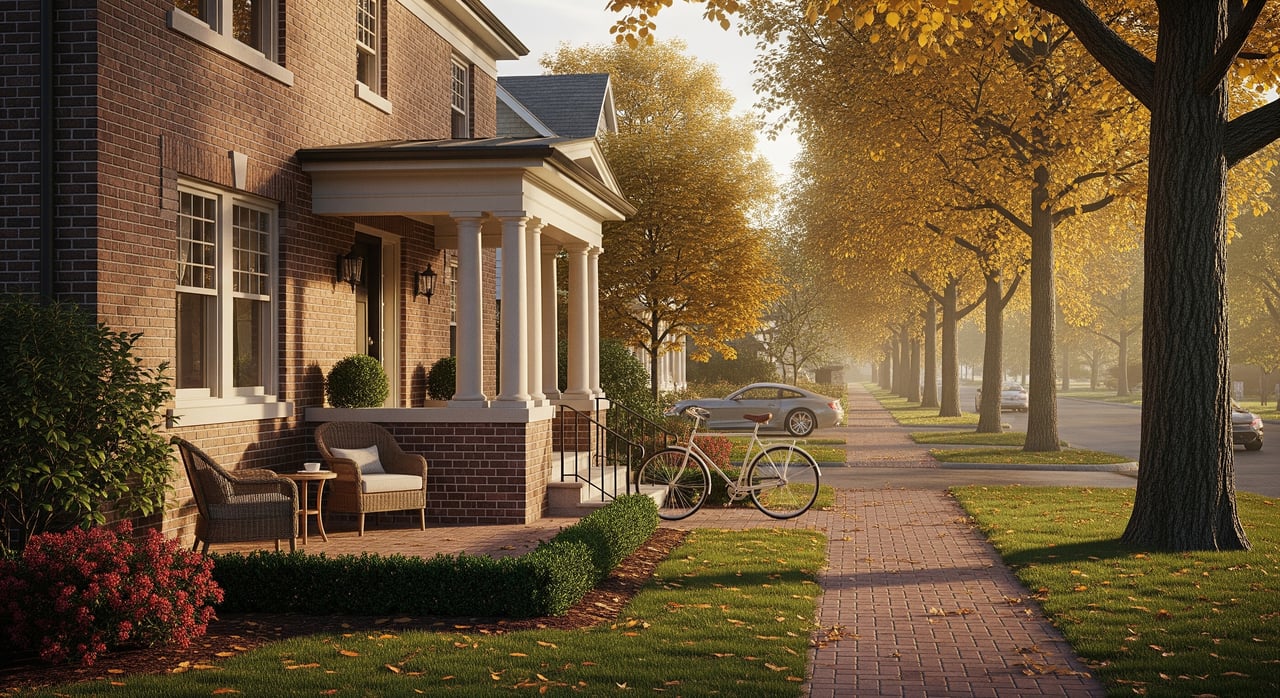
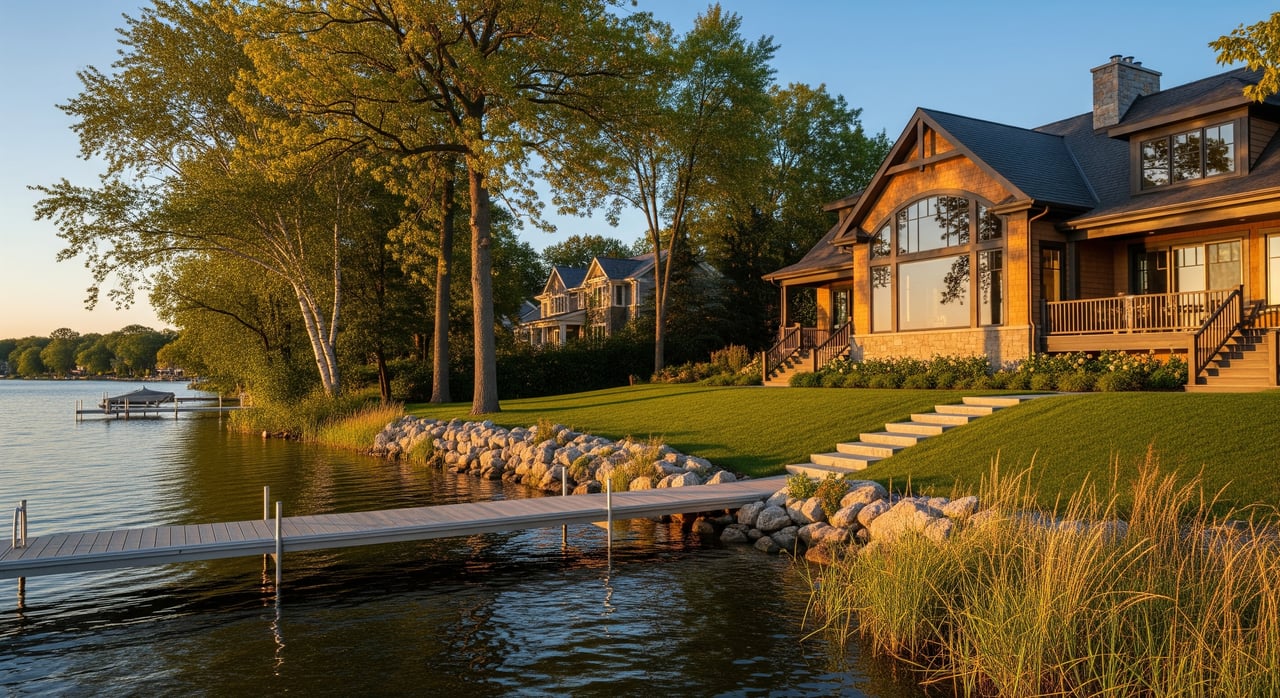
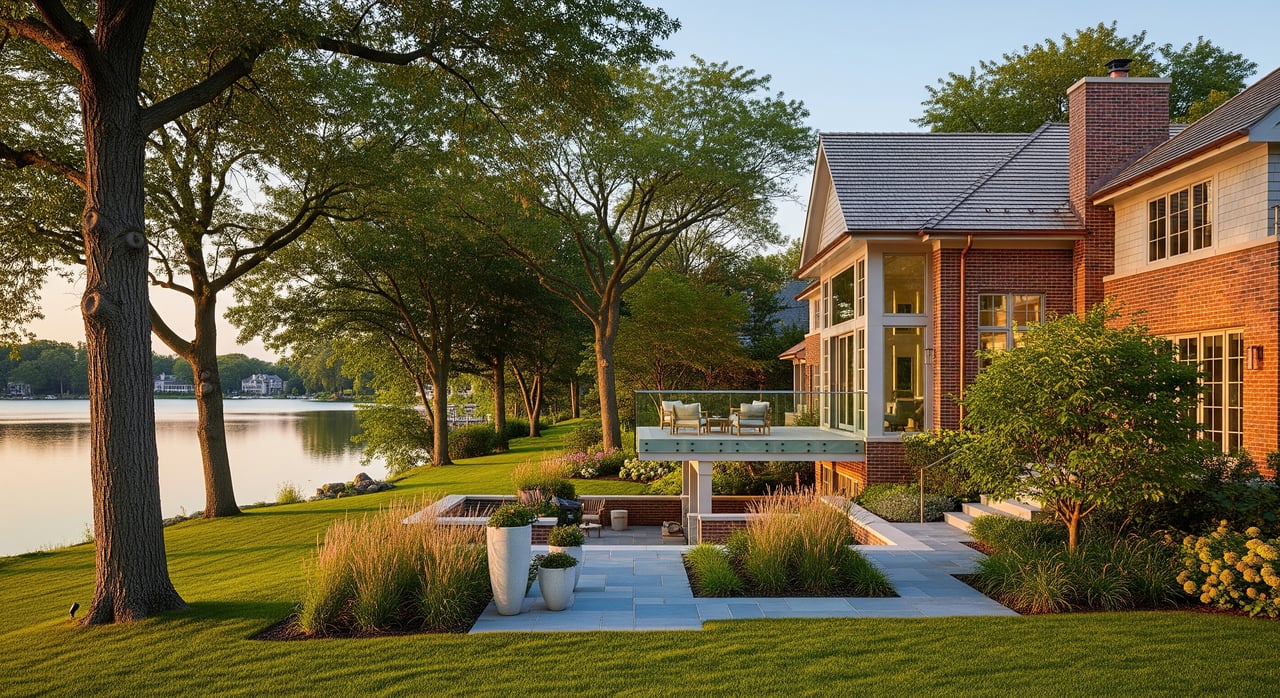
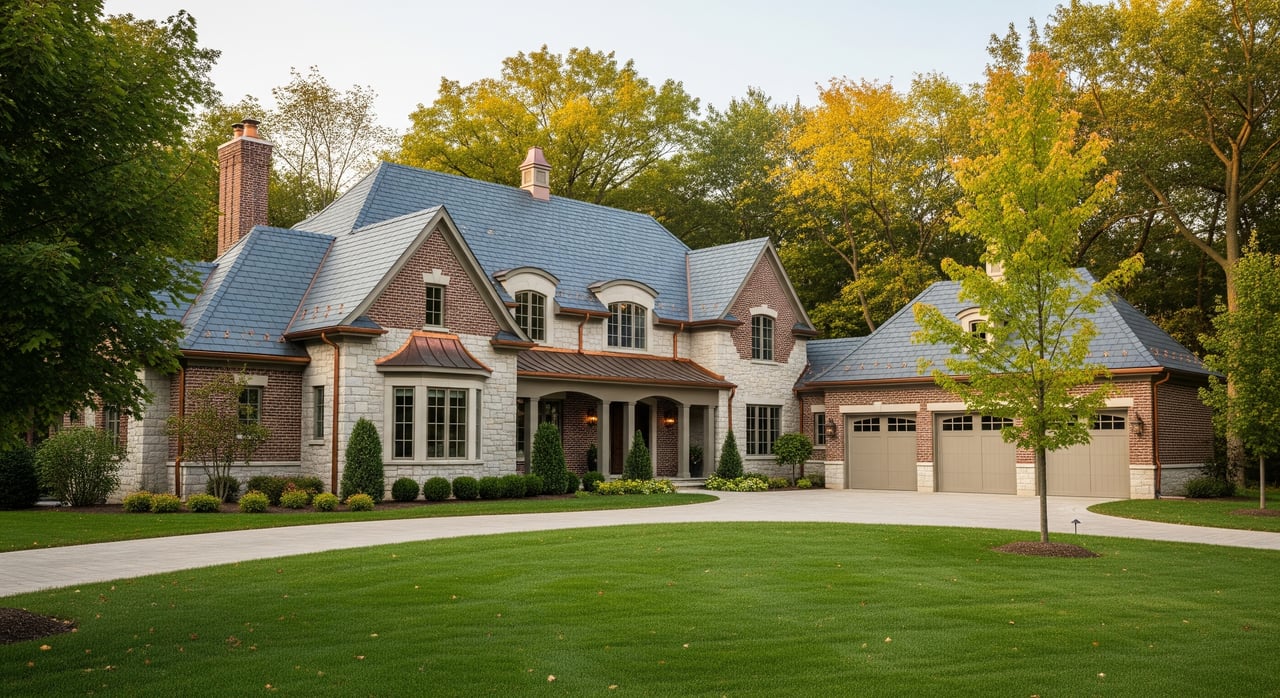
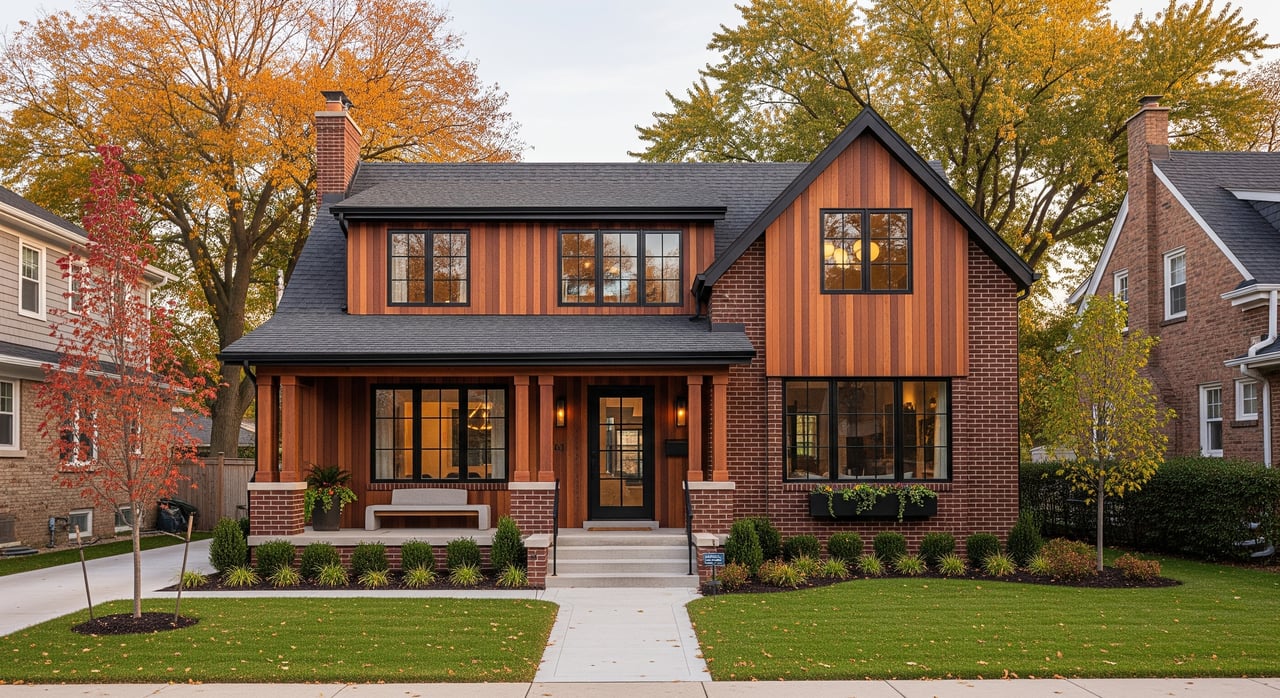
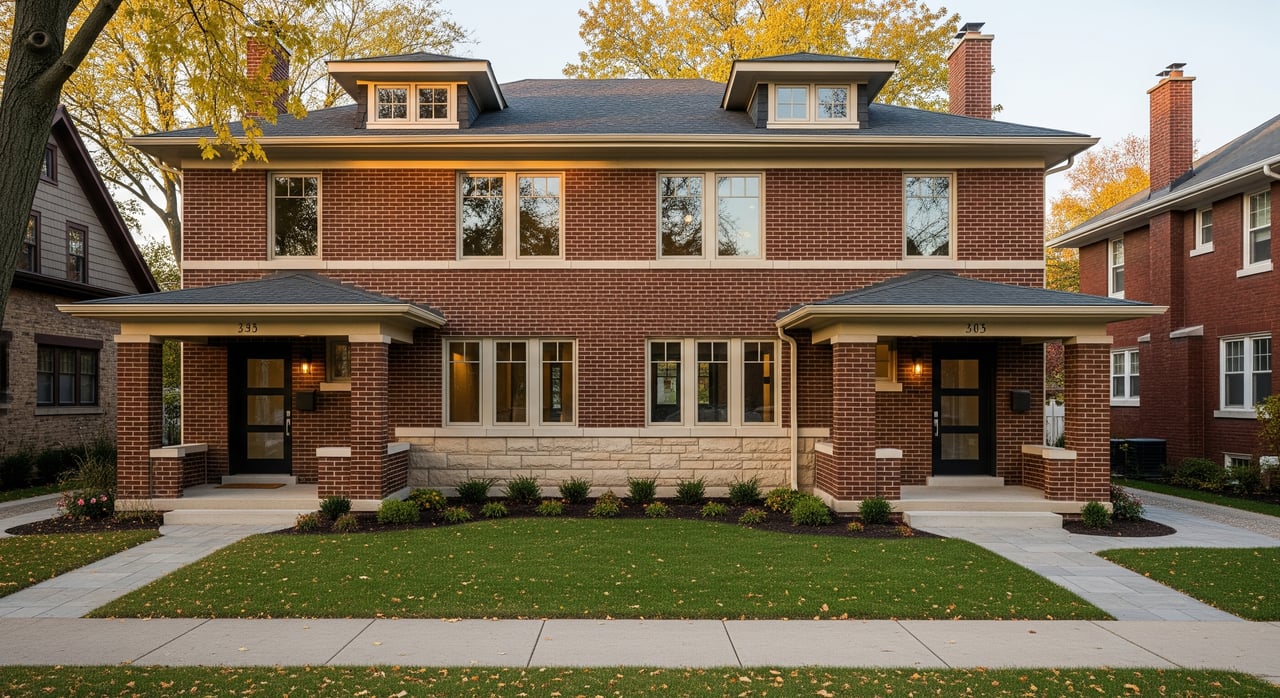
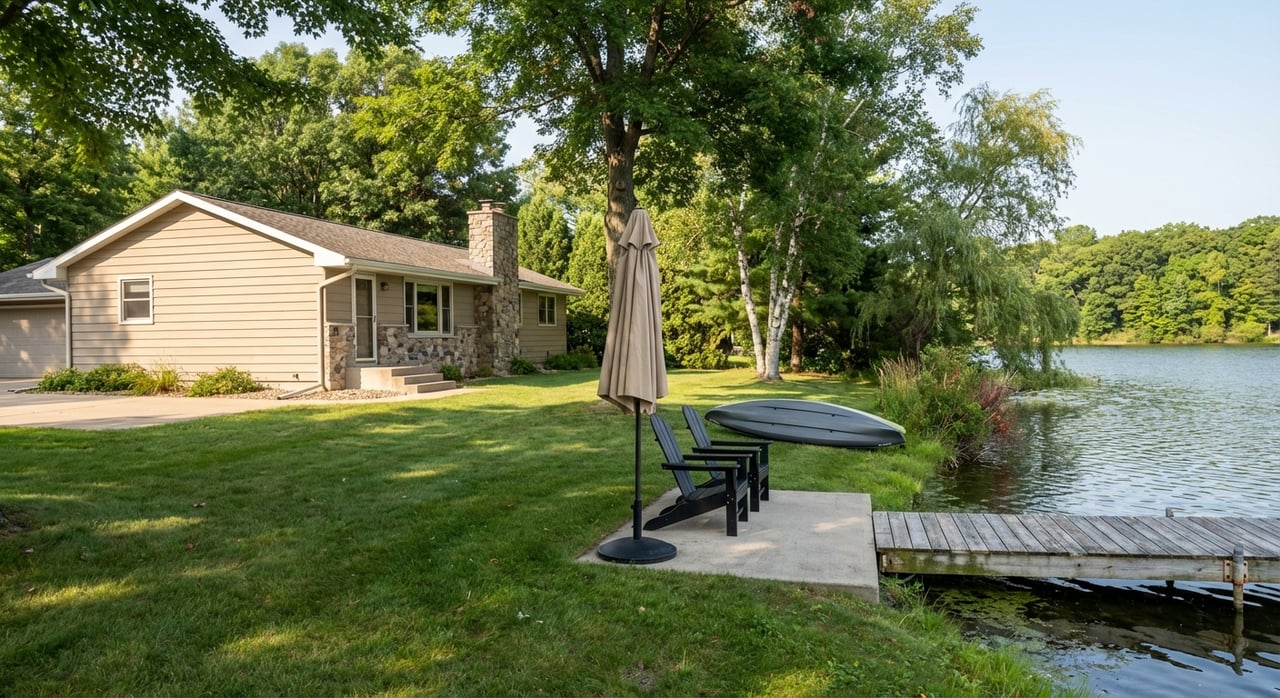
On or near the water, you will see a wide mix of housing. Older seasonal cottages often sit next to mid‑century ranches and split‑levels, with some lots rebuilt as custom single‑family lake homes. Many parcels include private docks or deeded access, while others rely on neighborhood easements or public launches. Shoreline conditions vary by lake. Big Muskego has broader wetland margins that limit traditional development in places. Little Muskego and Denoon have more continuous residential frontage. The city’s parks and conservation plan gives useful context about shoreline access and neighborhood park amenities around each lake.
What homes cost right now
Muskego’s overall median home price recently hovered near $499,950, based on Realtor.com’s city snapshot from late 2025. Inventory citywide is tight, and true waterfront listings are a small share of available homes. Expect a price premium for direct frontage, dock or lift rights, and improved shoreline. If you are targeting lake access, plan to watch the MLS closely and have financing ready. For current citywide pricing context, see Realtor.com’s Muskego overview.
Choose the right lake for your lifestyle
- Little Muskego: pick this if you want summer energy, a public beach, and regular ski shows. Expect more boat traffic and social activity.
- Big Muskego: choose this if you value wildlife viewing, morning paddles, and a calmer marsh setting with protected lands.
- Lake Denoon: consider this if you like deeper water for swimming and a residential neighborhood vibe without the busiest scene.
Buyer due‑diligence checklist
Use this quick list as you evaluate properties near Muskego’s lakes. A good agent will help you verify documents and timelines.
- Riparian or deeded access
- Confirm if the parcel has true riparian frontage, deeded or association access, or only public access. Request the deed and a recent survey. For context on local park and access sites, review the city’s parks and conservation plan.
- Docks, lifts, and shoreland rules
- Ask for any dock or lift permits. Shoreline work often needs county or WDNR approvals. Read the Waukesha County shoreland ordinance to understand common triggers and limits.
- Lake districts and assessments
- Check whether the home sits in a lake district that may assess for plant harvesting, invasive control, or launch maintenance. Review meeting minutes and budgets from the district. For background on district programs, see SEWRPC’s page on Lakes and Streams.
- Aquatic plants and navigation
- Ask about native plant density near the shoreline and any invasive species management. Programs can affect boat access and seasonal noise from harvesters. SEWRPC’s Lakes and Streams resource explains why these efforts matter.
- Flood risk and insurance
- Review FEMA flood maps and confirm lender insurance requirements. Pricing varies by property and policy type. FEMA’s training module outlines key terms and map basics for flood insurance and SFHAs.
- Shoreline stabilization history
- Request documentation for any riprap, seawalls, or grading. Confirm permits were obtained, since unpermitted work can delay closing. The county’s shoreland ordinance covers typical requirements.
- Sewer vs. septic
- Verify whether the property is on municipal sewer or a private septic. Septic capacity can affect additions and remodels. Review the City of Muskego’s sewer and utility code and ask for recent pumping and inspection records if applicable.
- Mooring and storage rules
- Some municipalities restrict overnight mooring or the number of boats per frontage. Ask about winter removal expectations for lifts and piers. Check local rules in the city’s code of ordinances.
- Neighborhood activity and noise
- Visit at different times. Weekday mornings feel very different than holiday weekends. Match the lake’s summer character with your lifestyle before you commit.
- Water quality and beach status
- Ask the lake district or health department about recent testing and seasonal advisories. This context helps you set expectations for peak algae periods and closures.
How to tour a lake home like a pro
Bring the right questions and a short checklist to every showing. These small steps save you weeks later in due diligence.
- Ask for the survey, pier or lift permits, and any shoreline work approvals.
- Walk the path to the water. Check footing, slope, and steps for safety in all seasons.
- Look at dock condition, electrical access near the shoreline, and storage for lifts or canopies.
- Confirm where guests and trailers can park, since launch sites and streets have different rules.
- Take a lap around the block to understand traffic flow during busy summer afternoons.
A simple seasonal calendar
- Spring: boat ramp prep, pier install, and shoreline cleanup. Water levels and clarity shift fast in shoulder seasons.
- Summer: peak boating on Little Muskego, regular Water Bugs shows, and full community use of Idle Isle and Denoon Park.
- Fall: birding and marsh wildlife views pop on Big Muskego. Cooler water often means quieter weekends.
- Winter: ice fishing, cross‑country skiing on nearby trails, and low‑key neighborhood gatherings. Always check ice conditions locally.
Nearby amenities at a glance
- Parks and trails: The city and county maintain extensive parkland and multi‑use trails that connect neighborhoods, with year‑round use for walking, biking, and winter activities. See site specifics in the city’s parks and conservation plan.
- Schools: The Muskego‑Norway School District serves the area. Always confirm school attendance boundaries directly with the district.
- Dining: You will find local breweries and family restaurants within a short drive of the lakes, including Eagle Park Brewing’s Muskego location. Many lakeside spots are drive‑up rather than boat‑up.
Ready to explore lake life in Muskego?
Whether you want the calm of Big Muskego, the energy of Little Muskego, or the balance of Lake Denoon, the right fit starts with a focused search and clear due diligence. We help you weigh shoreline rules, dock status, sewer versus septic, and district assessments so you can move forward with confidence. If you are thinking about selling, we can also advise on upgrades and presentation that highlight your water access and net you stronger offers.
If you are ready to tour, reach out to schedule a consult. You will get a tailored search, on‑call guidance, and local context you can trust. Connect with Kuss & Co. Homes to start your Muskego lake search.
FAQs
What are the main differences between Muskego’s three lakes?
- Big Muskego is a shallow marsh‑style lake focused on wildlife and paddling. Little Muskego is the social, recreational hub with a public beach and ski shows. Lake Denoon offers deeper water and a quieter residential feel.
Where can I launch a boat and is there a fee?
- Idle Isle on Little Muskego, Denoon Park on Lake Denoon, and Durham or Boxhorn Drive on Big Muskego provide public access. Many regional launches charge daily fees and have limited parking.
Do I need a permit for a new dock or shoreline work?
- Often yes. Docks, lifts, riprap, and grading may require county or state approvals. Start with the Waukesha County shoreland ordinance and verify requirements for your specific parcel.
How competitive are true waterfront listings in Muskego?
- Citywide inventory is tight and waterfront homes are a small slice of active listings, so well‑priced lakefront properties can move quickly. Be pre‑approved and ready to act.
How can I check school assignments for a Muskego address?
- Contact the Muskego‑Norway School District to confirm attendance boundaries and program details for each property.
What should I ask about utilities on a lake property?
- Verify whether the home connects to municipal sewer or uses a private septic system. Ask for septic inspection records and review any city connection or capacity rules if you plan future upgrades.