Buying your first home in Glendale can feel exciting and a little overwhelming at the same time. You may be trying to balance your budget, understand Wisconsin paperwork, and move fast when the right home appears. The good news is that a smart plan can make the process much clearer. This roadmap walks you through the key steps, local details, and timing issues so you can move forward with confidence. Let’s dive in.
Start With Your True Monthly Budget
One of the biggest first-time buyer mistakes is focusing only on the mortgage payment. In Glendale, your real monthly housing cost can include principal and interest, mortgage insurance if needed, property taxes, homeowners insurance, HOA dues if applicable, utilities, maintenance, and possibly extra coverage like flood insurance.
You should also plan for upfront costs. Closing costs often run about 2% to 5% of the home price, separate from your down payment. Building that number into your savings plan early can help you avoid surprises later.
In Glendale, it also helps to understand how property taxes work. The city notes that taxes are built from several taxing units, and some properties may also include special assessments or charges. That means two homes with similar price points may still come with different total monthly costs.
For future planning, Wisconsin homeowners may qualify for property tax relief credits depending on eligibility. Some credits may be applied directly to a property tax bill, while others are claimed on a state income tax return. That is not a reason to stretch your budget, but it is useful to know as you think beyond closing day.
Get Preapproved Before You Shop Seriously
Preapproval gives you a clearer price range and helps you act faster when you find a home you like. It also signals to sellers that you are a serious buyer. In a market where good homes can move quickly, that matters.
A preapproval is stronger than a prequalification. It shows a lender is tentatively willing to lend up to a certain amount, and these letters often expire in 30 to 60 days. If your search takes longer, you may need an updated letter.
If you are buying in Wisconsin for the first time, WHEDA is worth exploring. WHEDA works through approved lenders and offers mortgage products, down payment assistance, and resources that may help with down payment and closing costs.
It is also smart not to lock yourself mentally into one lender too early. As you move closer to an offer, comparing official Loan Estimates can help you understand the full cost of borrowing, not just the interest rate.
Understand Buyer Representation in Wisconsin
First-time buyers often assume all agent relationships work the same way. In Wisconsin, they do not. The state recognizes different relationship options, including pre-agency, subagency, and buyer agency.
For many first-time buyers, buyer agency offers the clearest level of advocacy. Under buyer agency, the firm can put your interests ahead of the seller’s and give advice on pricing, negotiation strategy, and which property may be the better fit based on your goals.
That difference becomes especially important once you are choosing between homes, reviewing inspection findings, or deciding how strong to make an offer. This is where guided advice can make the process feel less stressful and more strategic.
At Blue Violet Homes, that hands-on guidance is a big part of the value. You want someone who can explain your options clearly, keep communication simple, and help you make smart decisions without adding pressure.
Tour Homes With Glendale Due Diligence in Mind
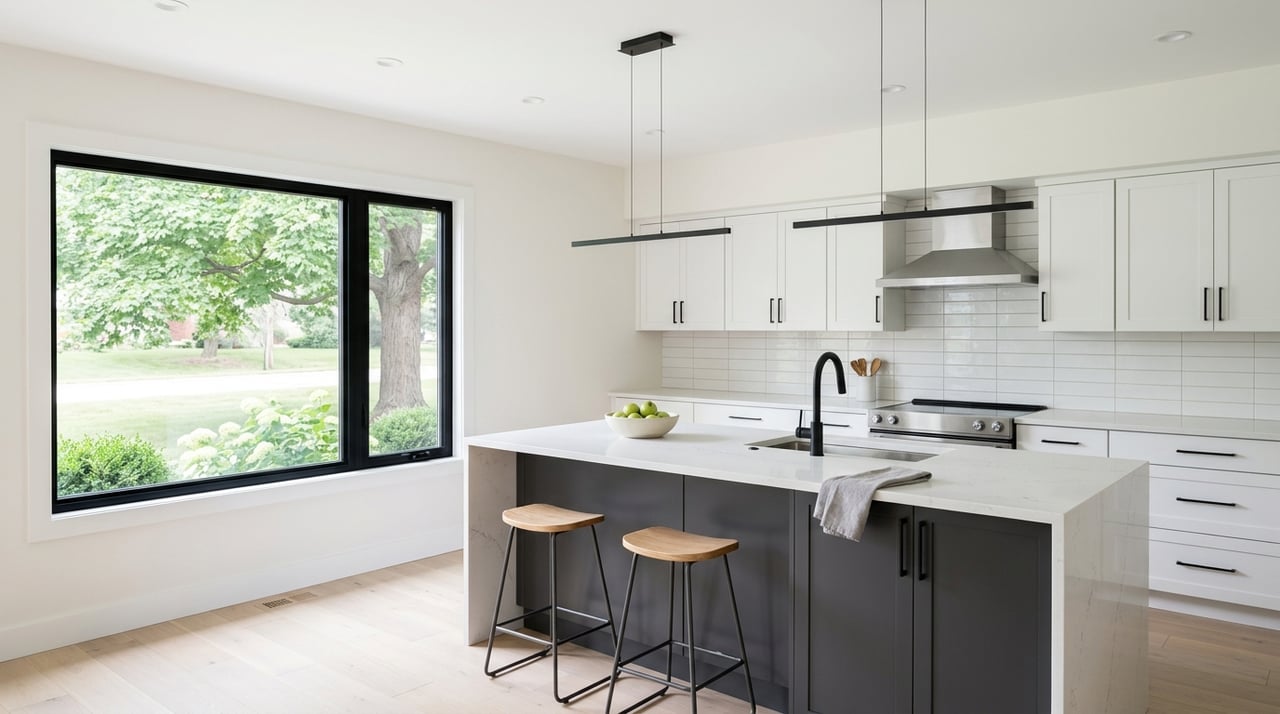
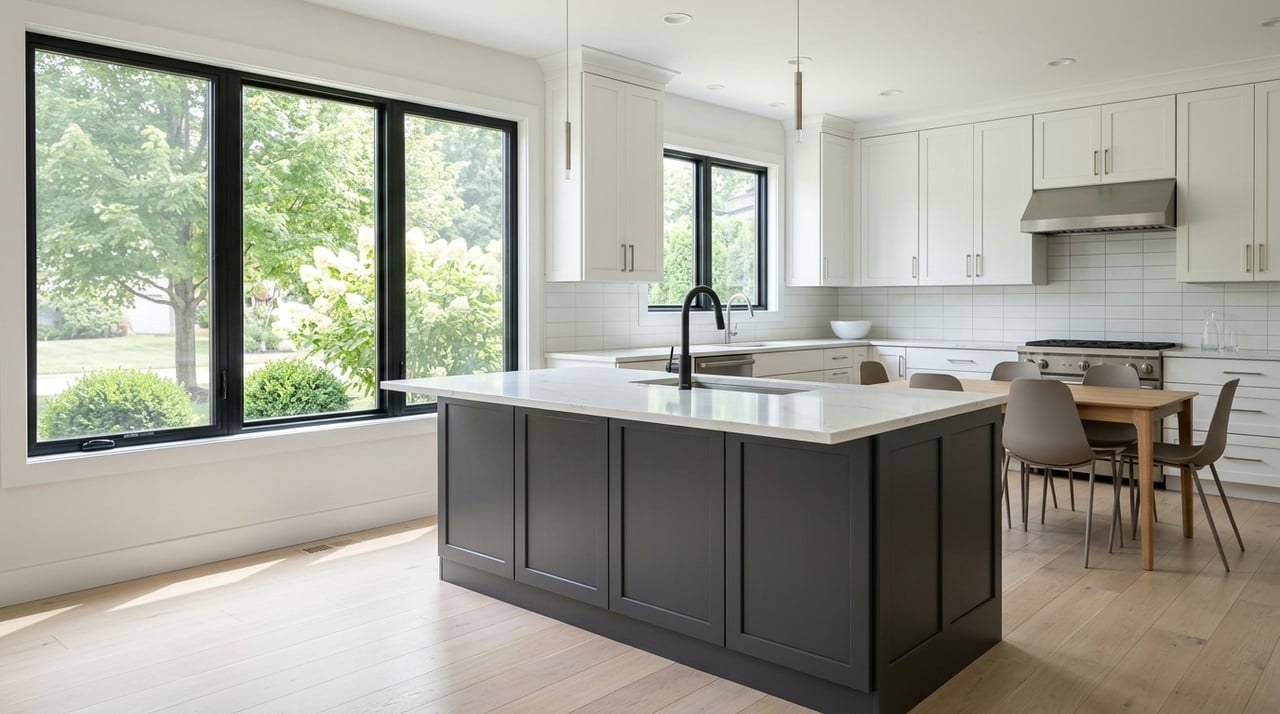
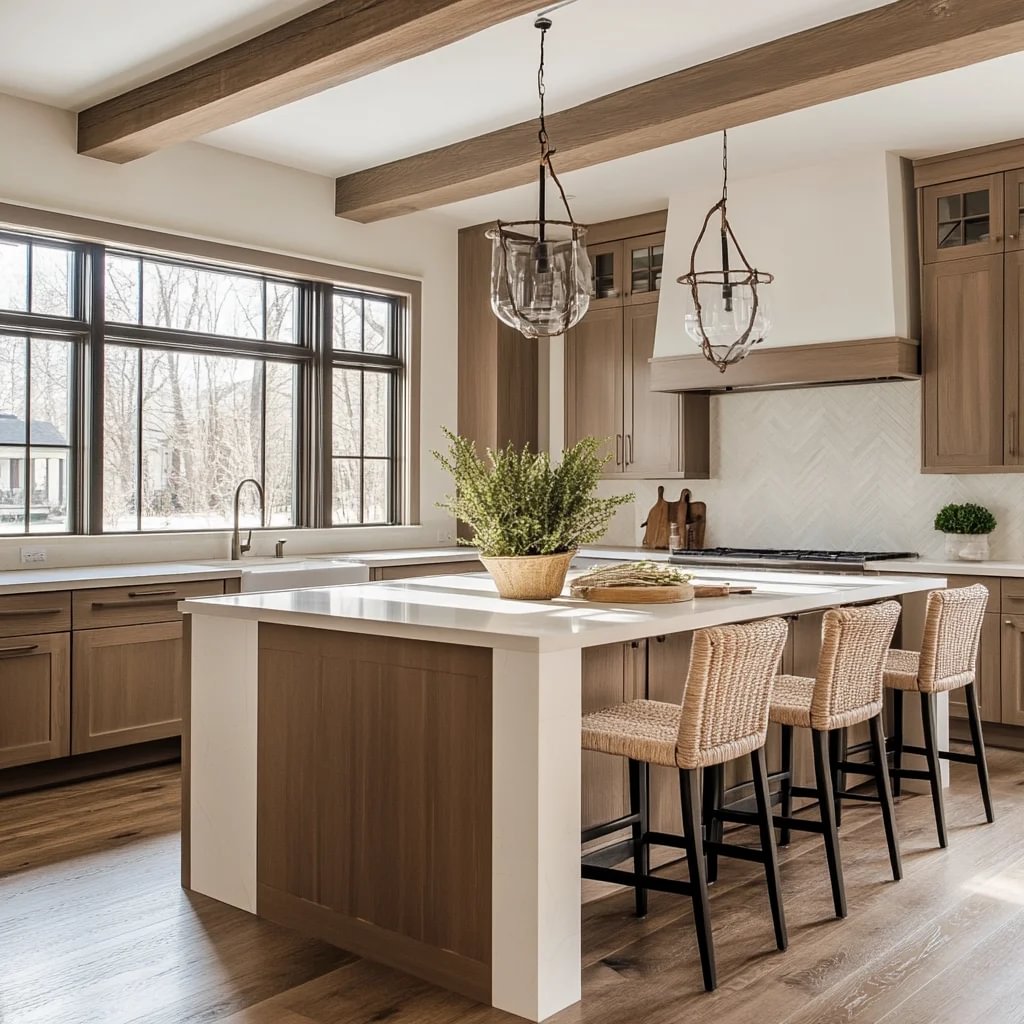
Once you start touring homes, it helps to look beyond finishes and layout. A charming kitchen matters, but so do the less visible details that can affect your costs, repairs, and peace of mind after closing.
For Glendale buyers, water-related due diligence deserves special attention. The city says Glendale gets municipal water from the North Shore Water Commission and has no lead water mains. However, lead can still come from older home plumbing or service lines.
If a property has an active well, Glendale encourages a property transfer well inspection by a licensed contractor and recommends bacteriological testing at minimum. That is an important item to clarify early if you are considering a home with any private well component.
Older homes also need a closer look for lead-based paint concerns. For most housing built before 1978, sellers must disclose known lead-based paint information before the sale, and buyers receive a 10-day period to inspect for lead hazards.
Schedule the Inspection Quickly
After you choose a home, move quickly on the inspection. A home inspection is different from an appraisal. The appraisal helps protect the lender, while the inspection helps protect you.
If your contract includes an inspection contingency, unsatisfactory results may give you the option to cancel without penalty. That makes the inspection one of the most important early checkpoints in your transaction.
During this stage, focus on the home’s major systems and any local concerns raised during your tour. If the home is older, ask questions about plumbing materials, service lines, and any known updates or repairs. If a well is involved, make sure the recommended inspections and testing are part of your planning.
Write a Strong Offer and Watch the Timelines
In Wisconsin, residential offers are usually written on the WB-11 Residential Offer to Purchase. This form lays out the core terms of the deal, including what is included in the sale, earnest money, closing, title terms, and contingencies.
For first-time buyers, contingencies are especially important because they help define your protections and deadlines. Once your offer is accepted, the calendar matters. Missing a deadline can limit your options.
One key Wisconsin item is the Real Estate Condition Report. For most one- to four-unit homes, the seller must provide this report within 10 days after acceptance of the contract of sale. If you do not receive it in time, you may have the right to rescind within 2 business days after that 10-day period.
That means the first two weeks after acceptance are not a time to relax and go quiet. They are a time to stay organized, review documents carefully, complete inspections, and track every deadline.
Know What Happens to Earnest Money
Earnest money is part of the offer process that many first-time buyers find confusing. Under the WB-11, earnest money is commonly held by the listing firm, the drafting firm, or the seller, depending on the terms of the offer.
If the transaction does not close, how those funds are handled depends on the offer terms or a written agreement among the parties. This is another reason why reading your offer carefully and understanding your contingencies matters from day one.
Prepare for Closing Day
As closing gets closer, your lender must provide a Closing Disclosure at least three business days before closing. This gives you time to compare the final numbers and terms with your earlier Loan Estimate.
Review that document closely. You want to confirm your loan terms, cash needed to close, and itemized costs before you sit down at the closing table. Small differences are not unusual, but they should make sense.
In Wisconsin’s standard offer form, the balance of the purchase price is due at closing unless the parties agree otherwise. Wisconsin also has a real estate transfer fee of 30 cents per $100 of value on taxable conveyances, and the state says the grantor or seller is responsible for paying it unless an exemption applies.
Plan for Life After Closing
Your budget work does not stop when you get the keys. After closing, keep an eye on your property tax bill, assessment records, and any city charges tied to the property.
Glendale makes tax and valuation information searchable through the city’s property tax roll. The city also notes that taxes are determined by multiple taxing units, that state credits may reduce net taxes due, and that special assessments or charges may apply when applicable.
This is worth checking annually, especially in your first year of ownership. It can help you understand changes in your total housing costs and spot details that may affect your future planning.
A Simple Glendale Buyer Checklist
If you want to keep the process manageable, focus on these steps:
- Build a full monthly housing budget, not just a mortgage estimate
- Save for both down payment and closing costs
- Get preapproved before serious home shopping
- Ask about WHEDA options if you are a first-time buyer in Wisconsin
- Clarify your agency relationship before you rely on advice
- Tour homes with water, plumbing, and age-related issues in mind
- Schedule inspections quickly after acceptance
- Review contingencies and deadlines carefully
- Watch for the Real Estate Condition Report timeline
- Compare your Closing Disclosure to your earlier loan terms
- Check Glendale tax and assessment records after closing
Buying your first home in Glendale is a big milestone, but it does not have to feel chaotic. When you understand the local details, keep a close eye on timelines, and work with the right support, you can make decisions with a lot more clarity. If you are thinking about buying in Glendale and want steady guidance from search to closing, connect with Kuss & Co. Homes.
FAQs
What should first-time buyers in Glendale include in a home budget?
- Your budget should include mortgage principal and interest, mortgage insurance if needed, property taxes, homeowners insurance, utilities, maintenance, HOA dues if applicable, and closing costs.
How long does a mortgage preapproval last for a Glendale home purchase?
- A preapproval letter often lasts about 30 to 60 days, so you may need to refresh it if your home search takes longer.
What buyer representation options exist in Wisconsin real estate transactions?
- Wisconsin buyers may encounter pre-agency, subagency, and buyer agency, and buyer agency generally allows the firm to give fuller advice and put the buyer’s interests first.
What Glendale water-related issues should buyers check during due diligence?
- Buyers should ask about older plumbing or service lines because lead can still come from those components, and if a property has an active well, Glendale encourages a transfer well inspection and recommends bacteriological testing at minimum.
What is the Wisconsin Real Estate Condition Report timeline after an offer is accepted?
- For most one- to four-unit homes, the seller must provide the report within 10 days after acceptance, and if it is not delivered on time, the buyer may have a short rescission window.
What should Glendale buyers review before closing on a home?
- You should review the Closing Disclosure at least three business days before closing and compare the final costs and loan terms with your earlier Loan Estimate.
Where can Glendale homeowners check property tax and assessment information after closing?
- Glendale homeowners can review property tax and valuation information through the city’s public property tax roll and related assessment records.