Wondering what it actually feels like to live in Whitefish Bay day to day? If you are thinking about moving here, you probably want more than a map and a list of home prices. You want to know how the village functions, what your routines might look like, and what kind of housing and amenities shape everyday life. Let’s dive in.
Whitefish Bay at a glance
Whitefish Bay is a compact lakefront village just north of Milwaukee with about 14,500 residents. It covers roughly 2.4 square miles, which helps explain why the community often feels close-knit and neighborhood-scaled.
The village has more than 4,800 residential properties, over 100 commercial properties, and about 330 businesses. That mix creates a place where daily life tends to revolve around nearby errands, local parks, school routines, and familiar streets rather than long drives across a sprawling suburb.
Census data also helps paint the picture. Whitefish Bay has an 83.1% owner-occupied housing rate, a median owner-occupied home value of $533,800, and a population that includes both families and older residents, with 31.0% under age 18 and 14.4% age 65 and over.
Daily life feels local and convenient
One of the biggest lifestyle traits in Whitefish Bay is how much happens on a village scale. Public works maintains streets, sidewalks, parks, and forestry, and the village reports more than 9,000 trees and ten neighborhood parks.
That kind of local infrastructure shapes your day in practical ways. You are more likely to think in terms of neighborhood blocks, park stops, school routes, and short errands than in terms of crossing a large suburban footprint.
Silver Spring Drive is part of routine life
Silver Spring Drive is the main shopping corridor for everyday needs. The district is positioned as a central place to shop, live, and do business, and the village says a new Sendik’s grocery project will bring a modern store, gathering space, and pedestrian improvements right in the heart of the business district.
That matters because it supports a more connected daily rhythm. Grocery runs, coffee stops, small errands, and local services can feel built into your week instead of becoming a separate trip.
The farmers market adds a community rhythm
The village also hosts a farmers market that includes produce, bread, pastries, flowers, food trucks, and other local goods. For many buyers, details like this help define what a place feels like beyond housing inventory.
A farmers market does not just add convenience. It also gives the week a recurring local touchpoint where you can shop, walk, and see neighbors in a casual setting.
Lake Michigan is part of normal life
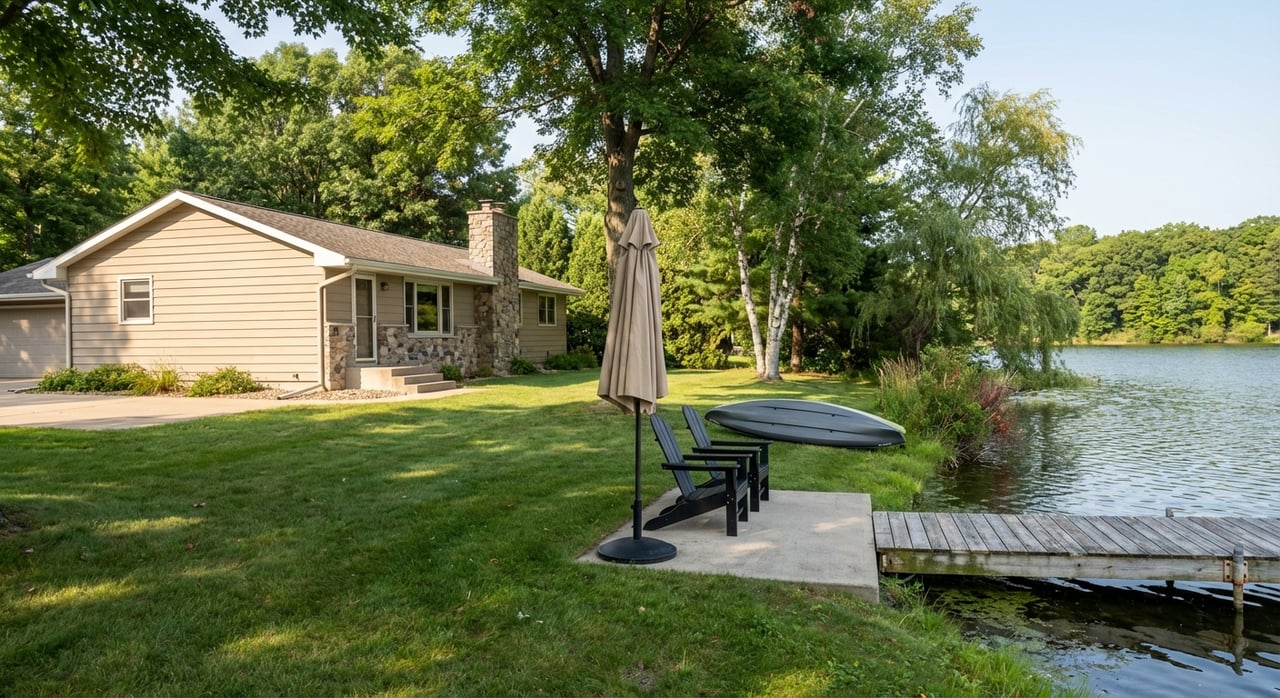
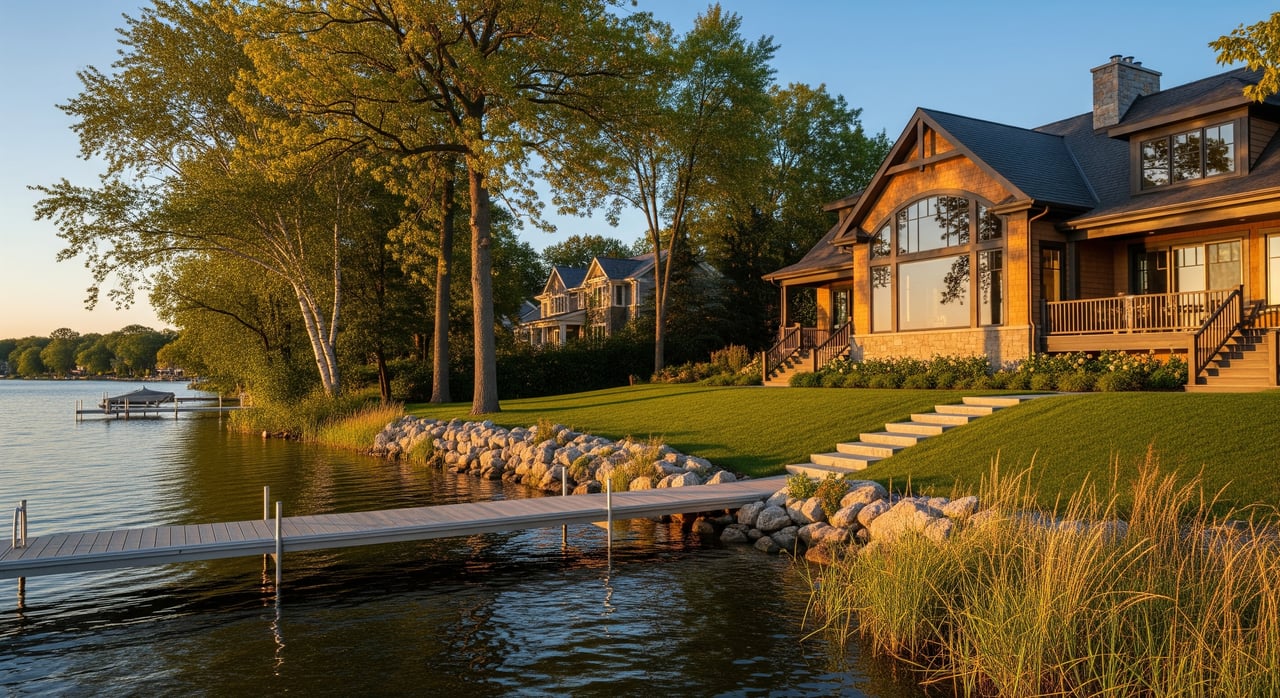
In some communities, water access is more of a destination than an everyday feature. In Whitefish Bay, lake access is woven more directly into the local lifestyle.
Klode Park offers beachfront access along with a playground, tennis courts, pickleball courts, and winter ice skating. Buckley Park has a paved walking path to the beach, and Silver Spring Park includes a scenic overlook with lake views.
Parks support simple everyday routines
These are not amenities that only matter on special occasions. They can become part of your after-work walk, your weekend routine, or a quick outing when you want fresh air and a change of scenery.
The village’s own historic walking-tour material also notes that one self-guided route is about 2.4 miles and takes around an hour. That detail reinforces the idea that Whitefish Bay is easy to experience on foot and shaped by a compact, strollable feel.
Schools and civic life shape the community
Whitefish Bay is strongly school-centered. The Whitefish Bay School District is a regular local district serving PK through 12, with four schools and 2,861 students in the 2024-2025 school year.
The district schools are Cumberland Elementary, Richards Elementary, Whitefish Bay Middle, and Whitefish Bay High. The village also notes a private high school in town, and Dominican High School is located on Silver Spring Drive.
Daily routines often center on schools
Even if you are not moving with children, school activity still helps shape traffic patterns, neighborhood energy, and the overall rhythm of the village. In a compact community, those routines tend to be visible and integrated into daily life.
Whitefish Bay also has an active civic identity. The village describes itself as a Bird City of Wisconsin member, publishes weekly e-newsletters and a monthly magazine, and supports a public library that it calls a cornerstone of the community.
The library remains a central resource
The Whitefish Bay Public Library has been part of the village since 1937. According to the village, it serves people of all ages with access to ideas, information, and resources.
That may sound simple, but amenities like a long-standing local library often say a lot about how a community supports daily living. It is one more sign that Whitefish Bay offers more than housing alone.
Commuting is manageable for many residents
If you work in or around Milwaukee, Whitefish Bay’s location can be a practical advantage. Based on the 2020-2024 American Community Survey, the average travel time to work is 20.8 minutes.
That does not mean every commute will be quick, of course. Still, it suggests that many residents are able to balance village living with access to the broader metro area without unusually long travel times.
Homes in Whitefish Bay have character
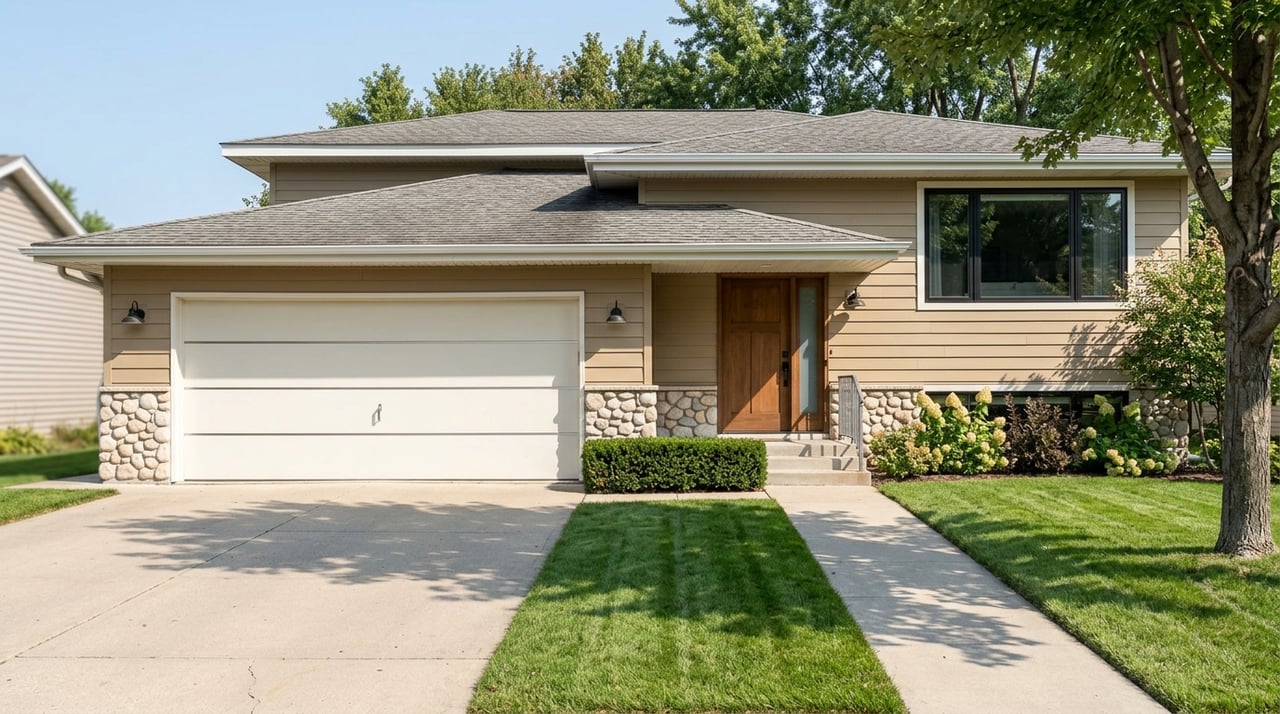
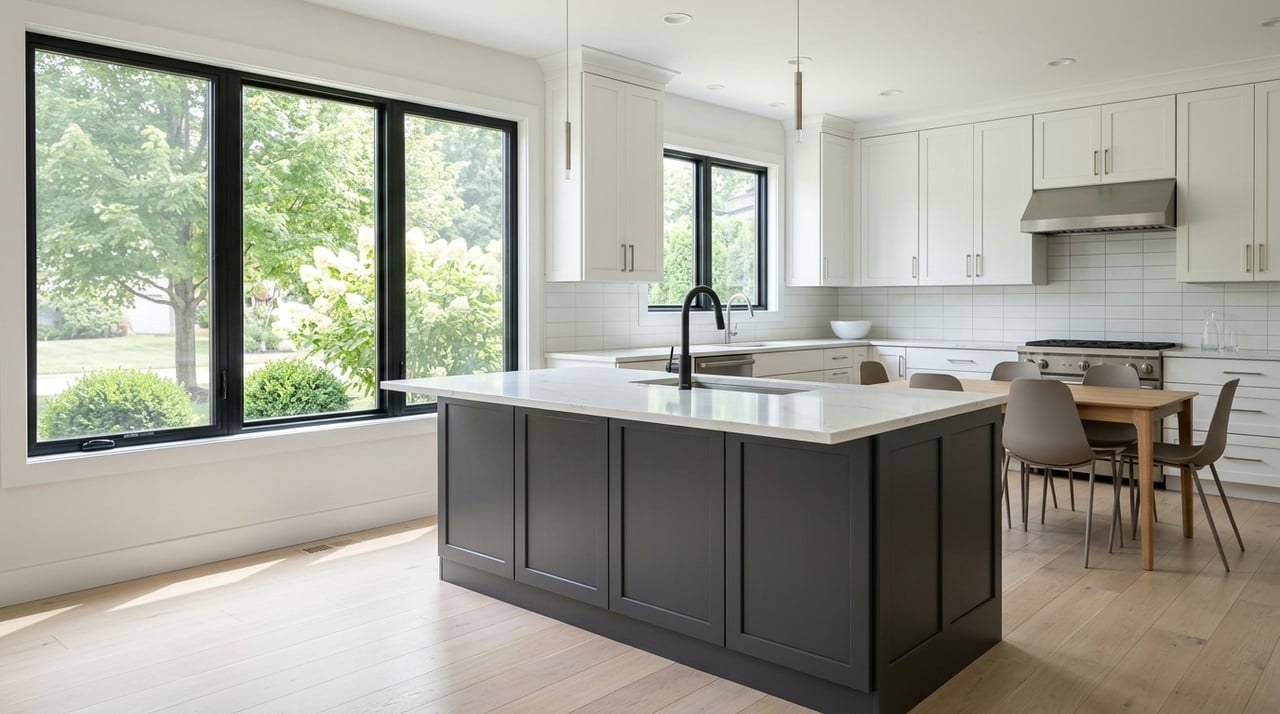
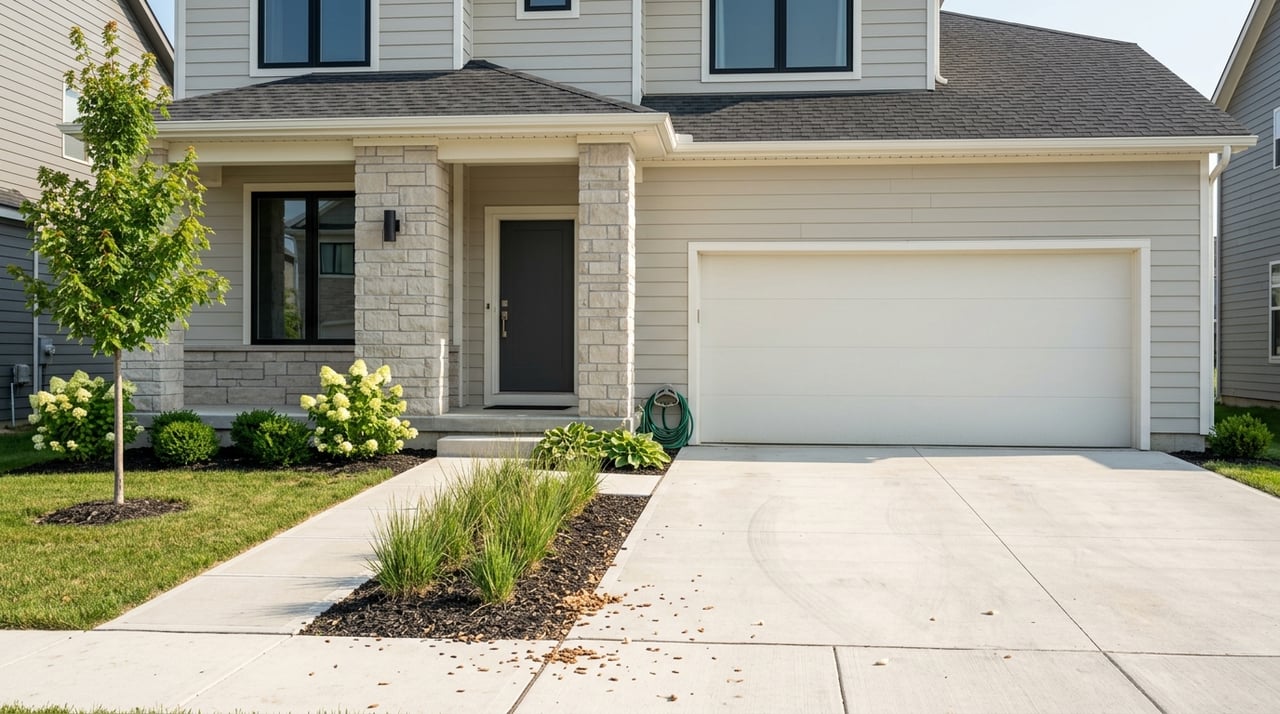
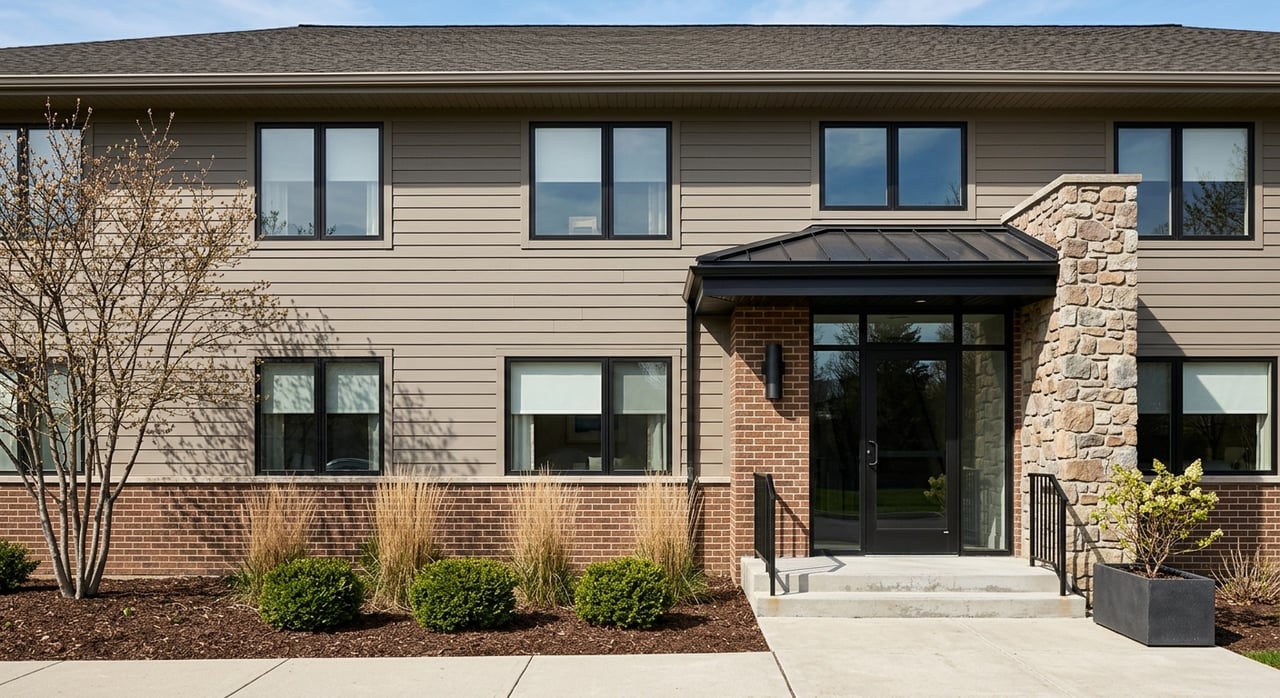
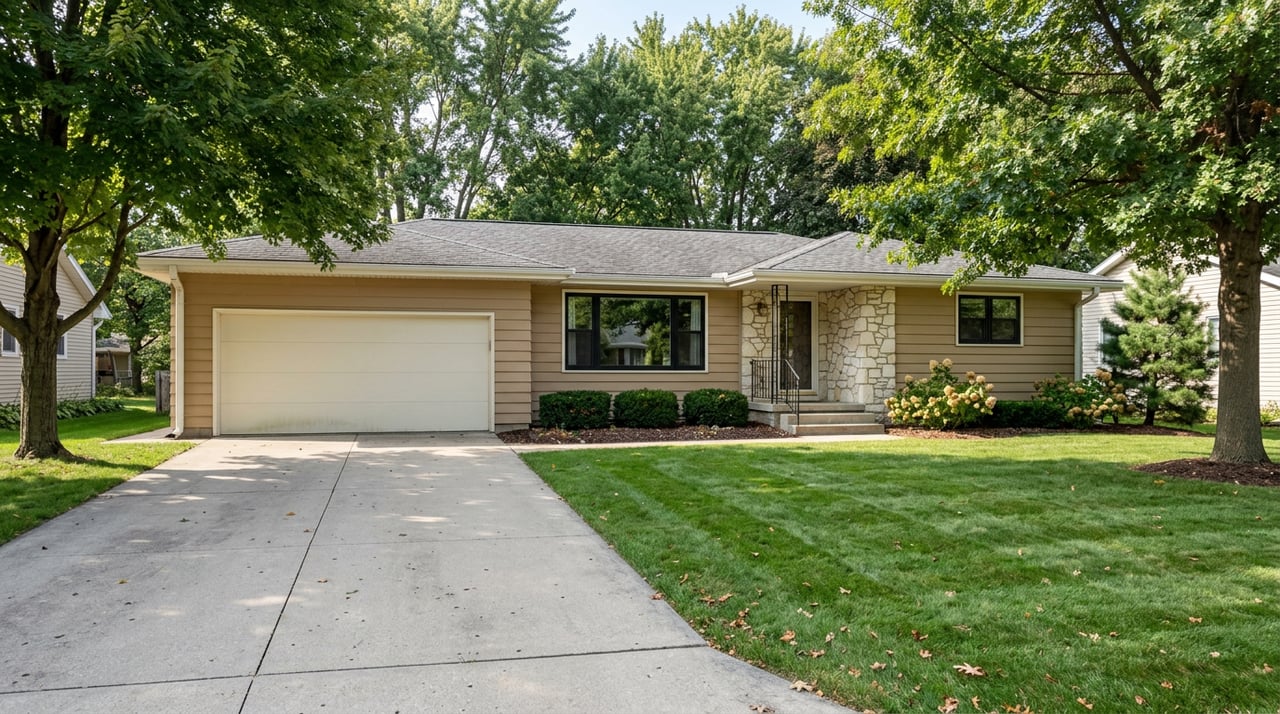
From a housing standpoint, Whitefish Bay is predominantly single-family in character. The village describes itself that way, while also noting a range of zoning districts that include single-family, two-family, apartment, and planned-development areas.
That means you will find a housing stock that is mostly rooted in single-family homes, but not completely uniform. For buyers, this can create a more layered housing search than you might expect from a small suburb.
Expect older, varied architecture
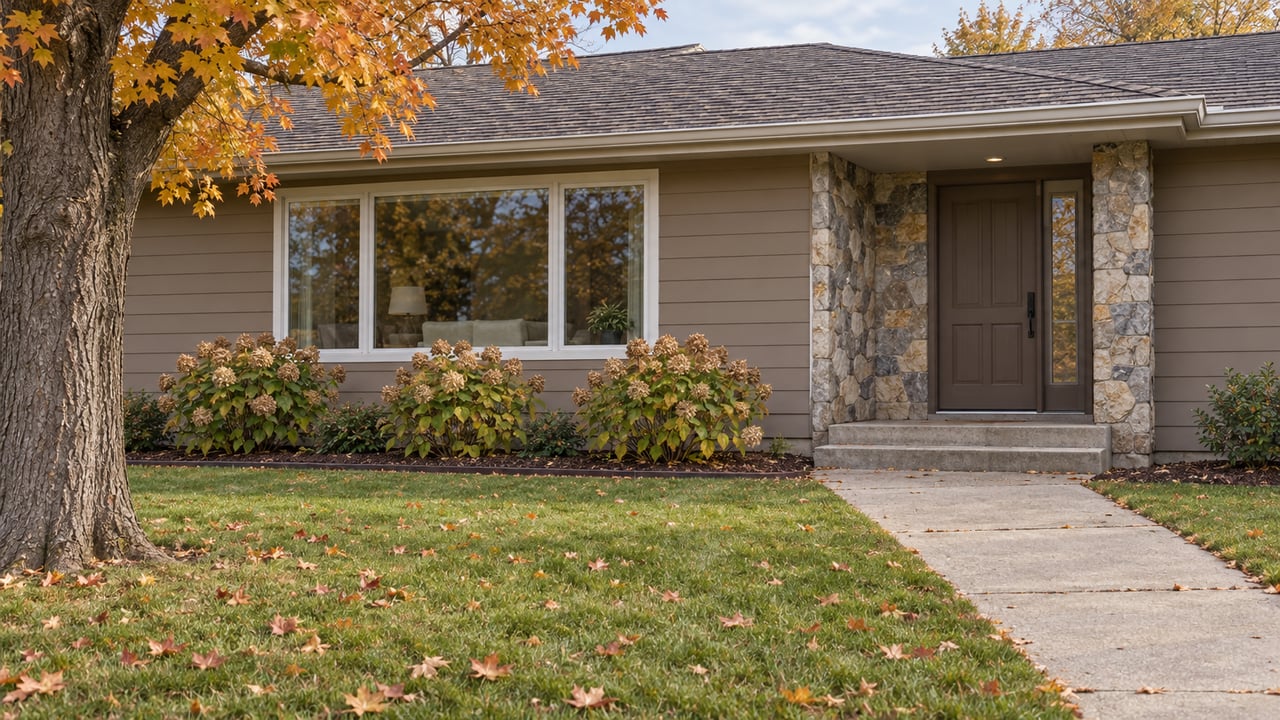
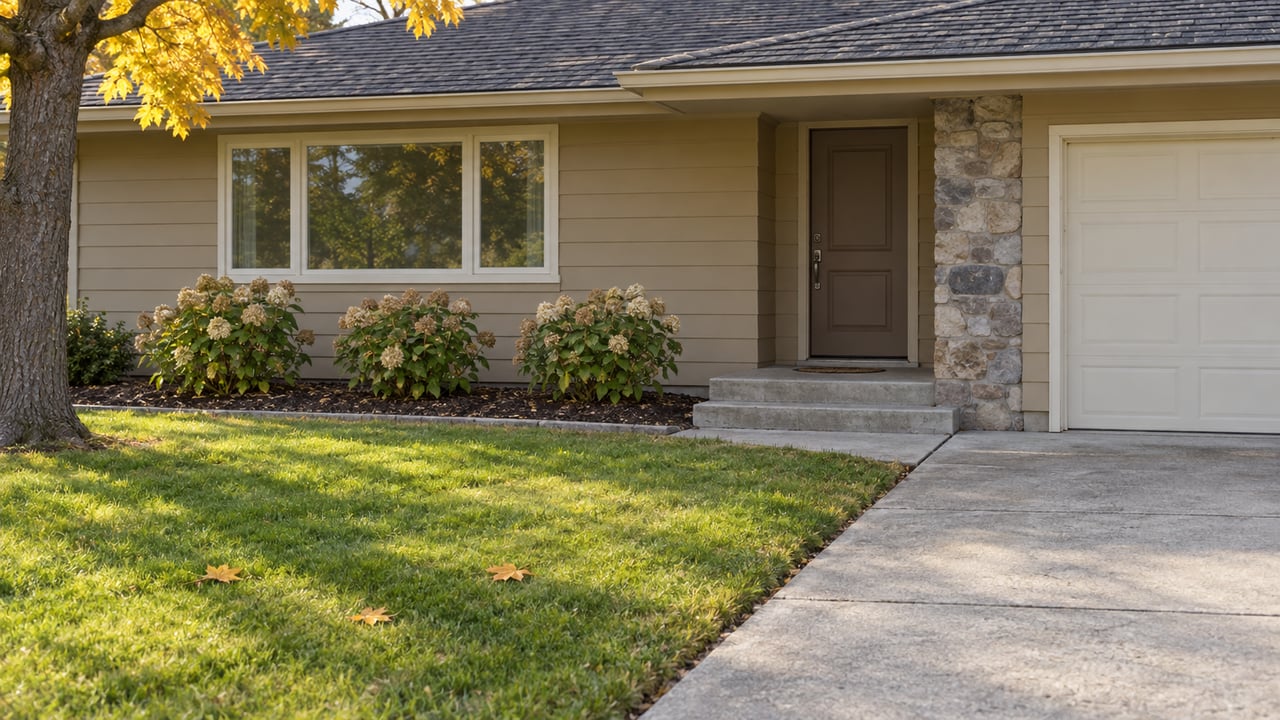
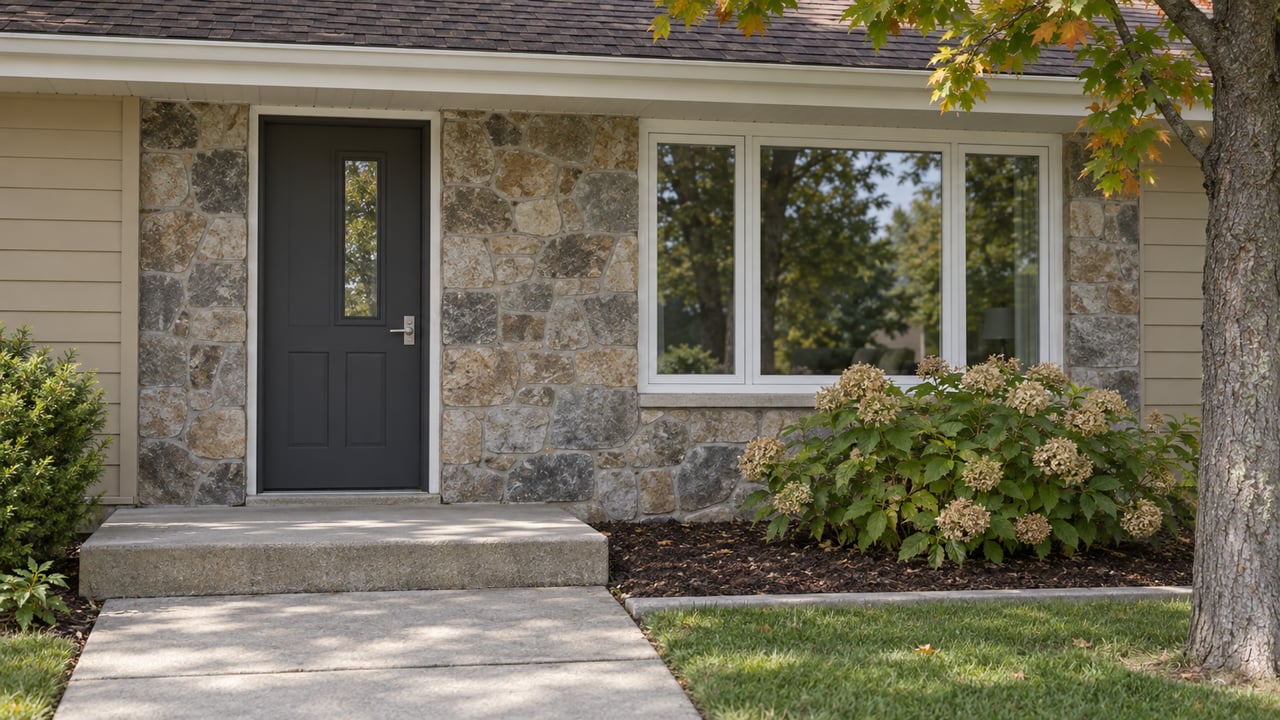
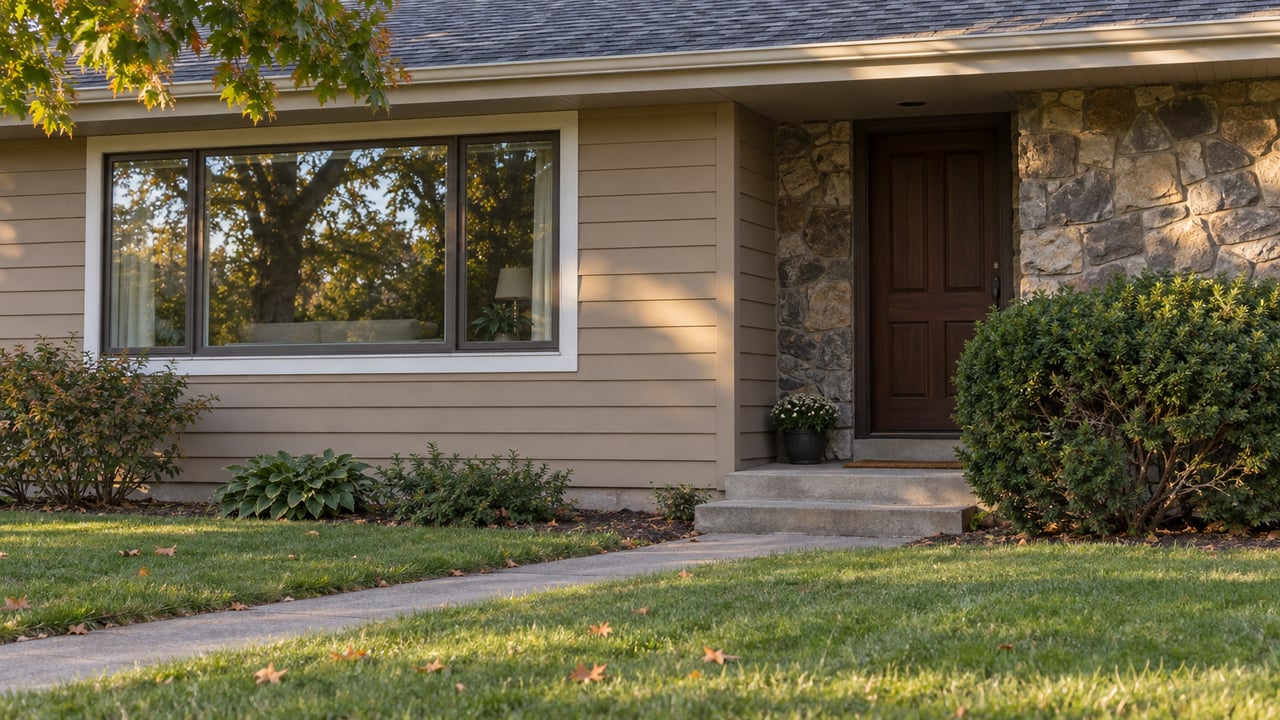
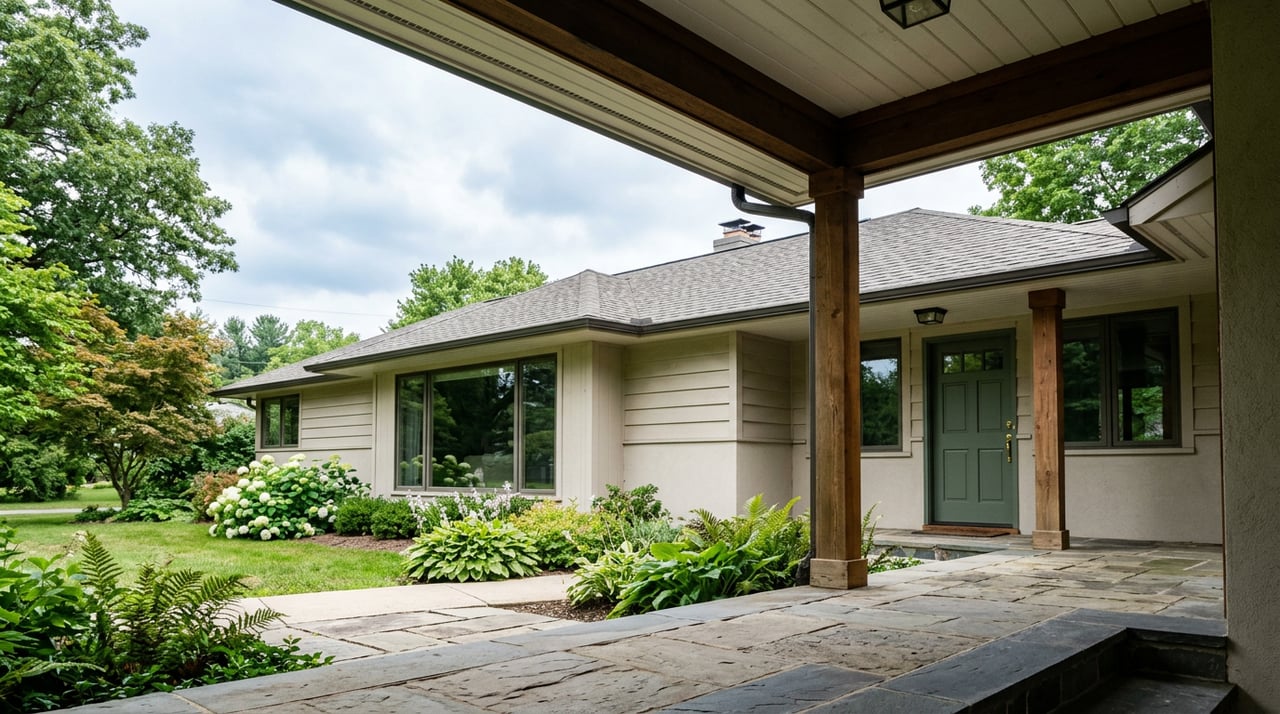
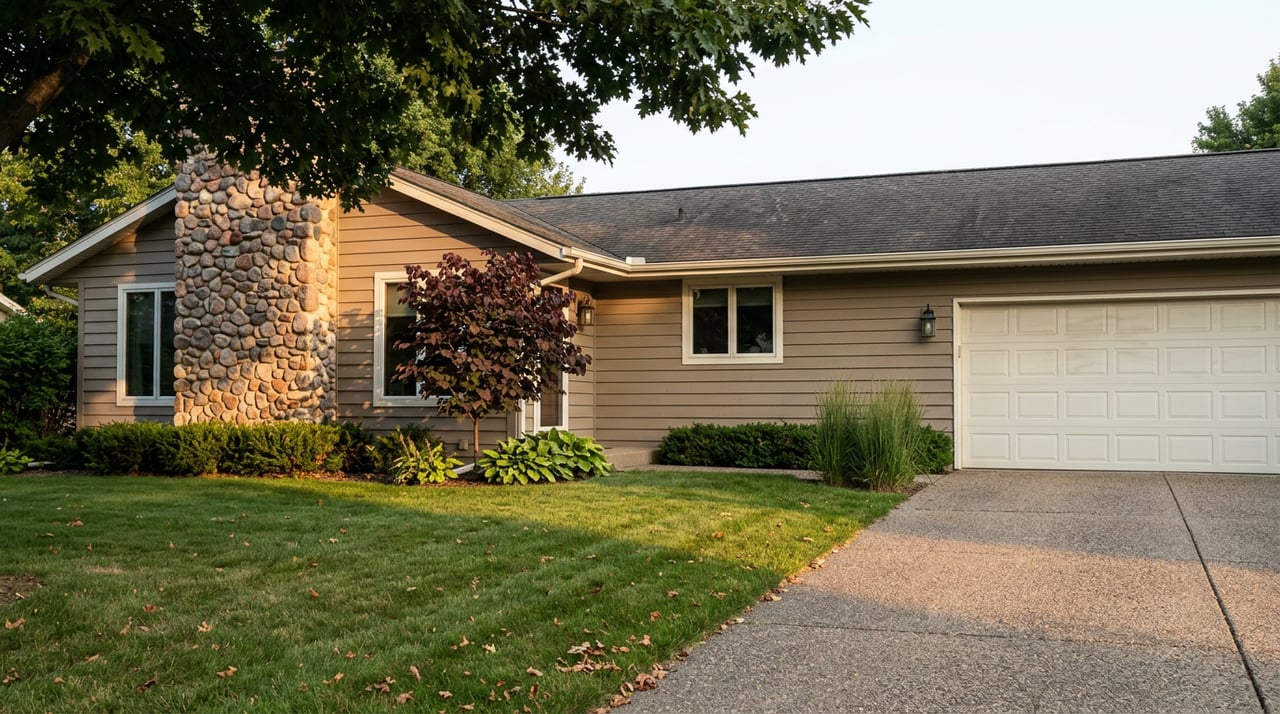
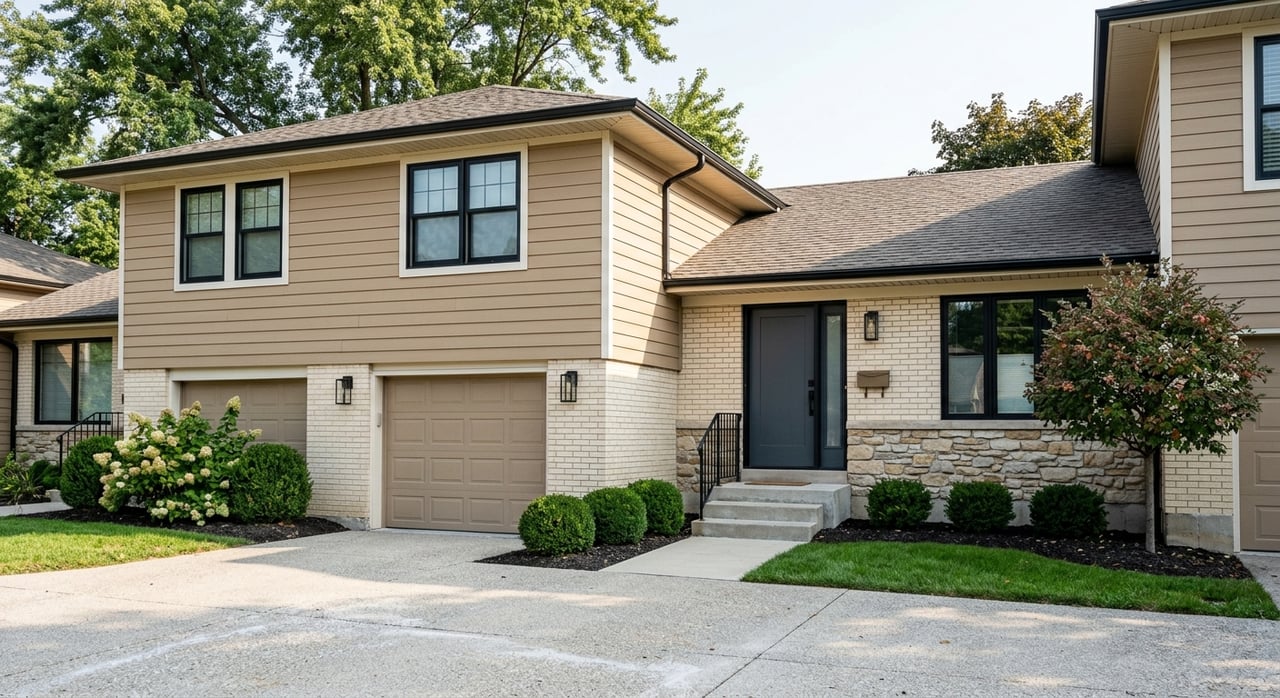
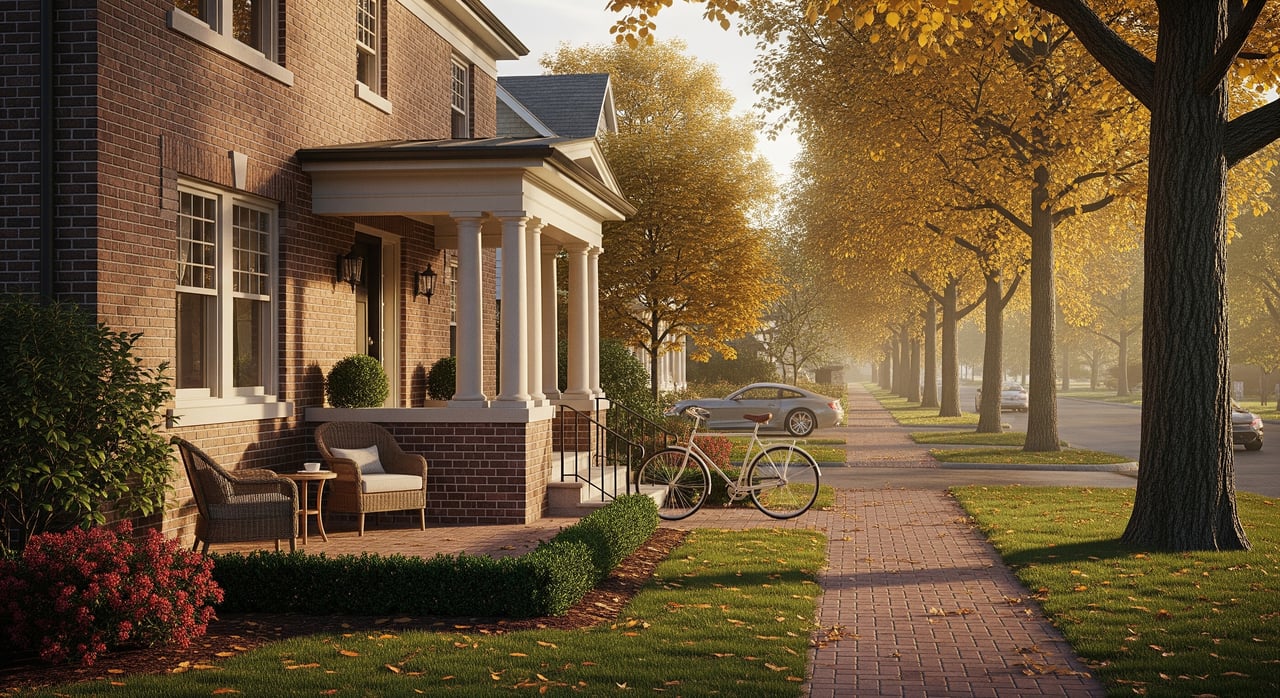
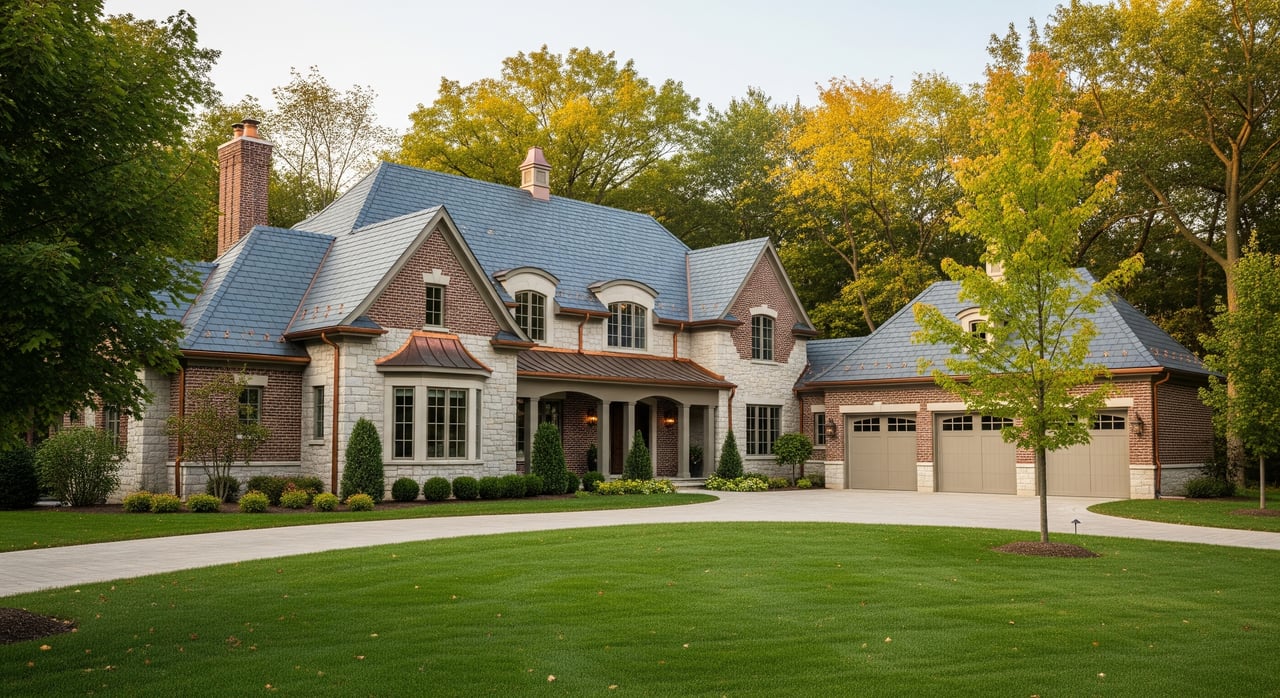
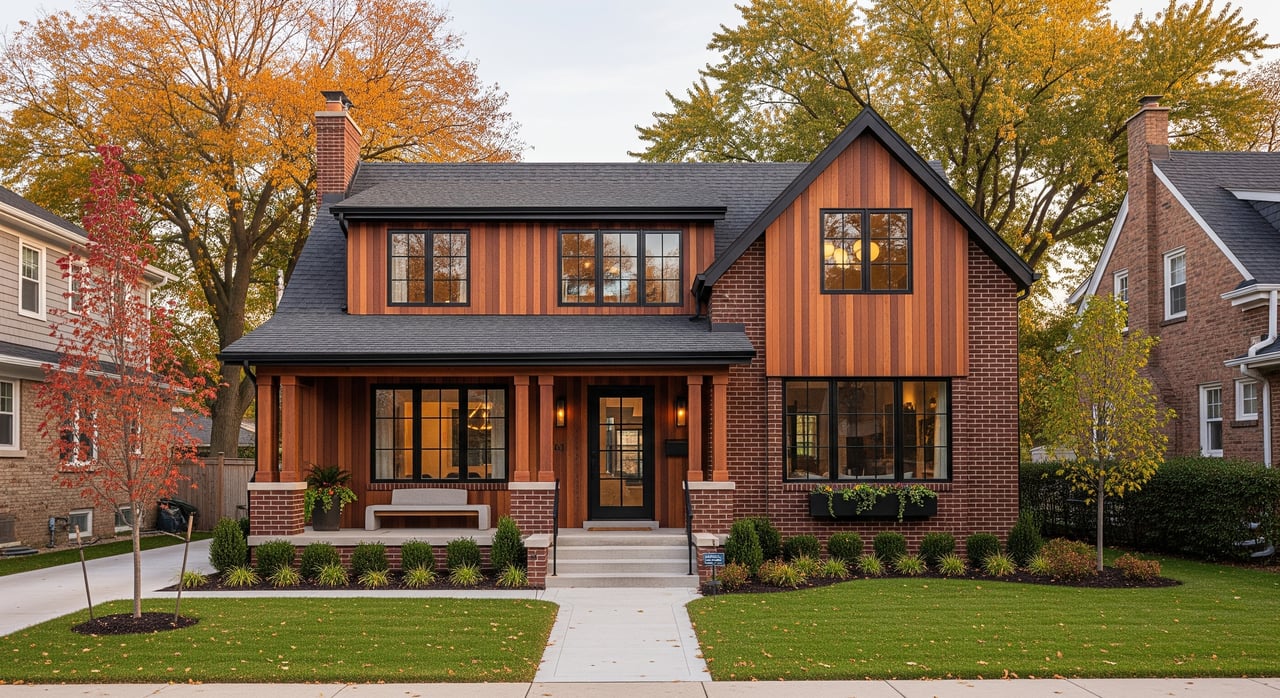
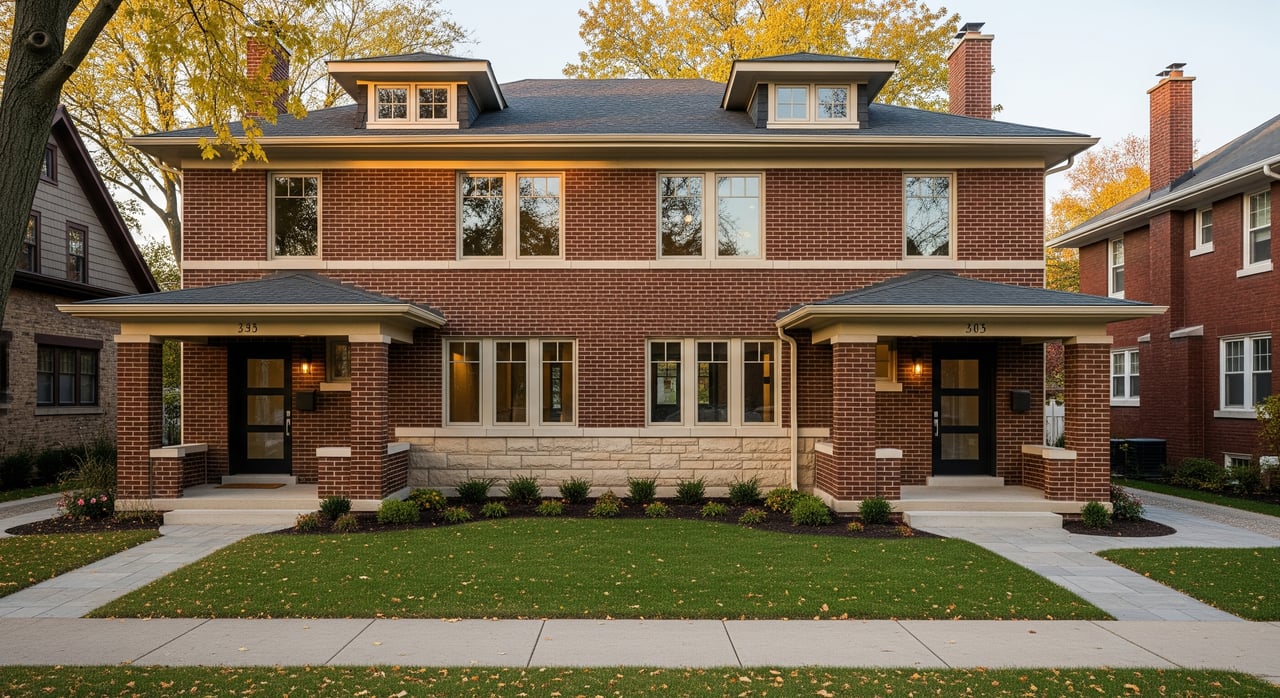
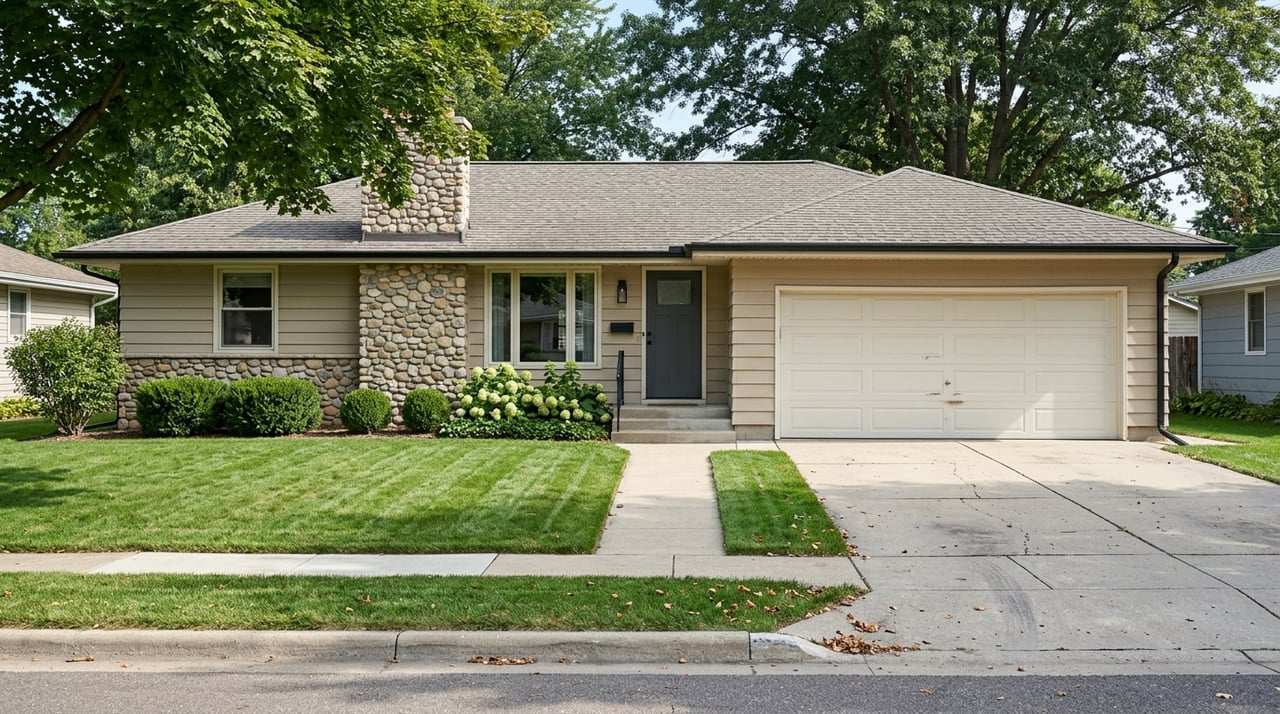
Whitefish Bay is especially notable for its older and architecturally varied homes. Village resources reference styles such as Colonial Revival, Craftsman, Prairie, Dutch Colonial, Georgian Revival, Tudor Revival, and Mediterranean Revival.
In practical terms, that means the housing stock often feels more distinctive than a newer tract-home community. Streetscapes can include a mix of home styles, lot patterns, and design details that reflect the village’s long residential history.
Preservation influences neighborhood feel
The village uses residential design guidelines and an Architectural Review Commission to help shape new construction and preserve neighborhood character. It also maintains an Architecture and History Inventory of architecturally significant homes and sites.
For buyers and sellers, that preservation focus helps explain why Whitefish Bay has a consistent visual identity. It is part of what gives the village a well-kept, established feel.
What the market suggests for buyers and sellers
Whitefish Bay’s housing numbers point to a market that is both stable and higher-priced than many surrounding areas. Census estimates show an 83.1% owner-occupied rate, median monthly owner costs of $2,847 with a mortgage, median gross rent of $1,335, and a median household income of $157,109.
For buyers, those numbers usually signal a market where well-kept homes can draw strong interest. For sellers, they support the idea that owner occupancy and neighborhood stability are major strengths when positioning a home for sale.
Presentation matters in this kind of market
In a village where residential character and upkeep are part of the appeal, listing presentation can matter a great deal. Buyers are often responding not only to square footage and features, but also to how a home fits the look, condition, and expectations of the local market.
That is one reason neighborhood-specific guidance can be valuable. A thoughtful pricing and presentation strategy can help sellers align their home with what Whitefish Bay buyers are already seeking.
Village services support a well-kept feel
A lot of what makes Whitefish Bay feel orderly comes from practical village services. Public works handles weekly refuse collection, every-other-week recycling, weekly yard-waste pickup from April through November, snow-related street maintenance, sidewalks, storm sewers, and forestry.
The village also receives potable water through the North Shore Water Commission. These details may not be flashy, but they play a major role in how a community looks and functions every day.
Small systems make a big difference
When streets are maintained, yard waste is picked up regularly, and forestry is actively managed, the overall village experience feels more polished. In Whitefish Bay, that service structure helps support the tidy, carefully maintained atmosphere residents often notice.
So what is everyday life really like?
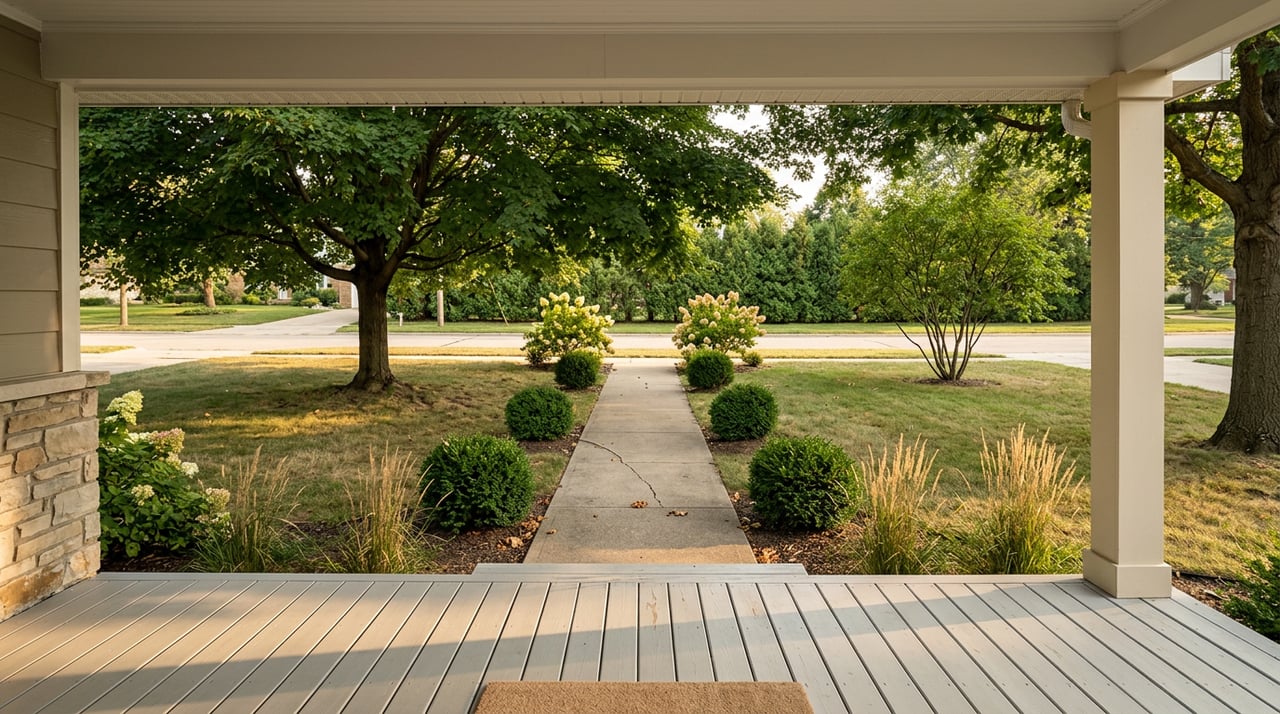
At a practical level, everyday life in Whitefish Bay looks like tree-lined blocks, neighborhood parks, school-centered routines, local shopping along Silver Spring Drive, and regular access to Lake Michigan. It feels more village-scaled than sprawling, and more rooted in daily neighborhood patterns than destination-style amenities.
If you are considering a move here, the appeal is not just one feature. It is the way housing character, civic life, local services, and lakefront access all come together to create a place that feels established, connected, and easy to navigate.
If you are trying to figure out whether Whitefish Bay fits your lifestyle or wondering how to position a home in this market, Kuss & Co. Homes can help you make sense of the details with clear, local guidance.
FAQs
What is Whitefish Bay, Wisconsin like for everyday living?
- Whitefish Bay is a compact lakefront village with neighborhood-scaled daily routines, local shopping, ten parks, village services, and regular access to Lake Michigan.
What kinds of homes are common in Whitefish Bay?
- Whitefish Bay is predominantly single-family in character, with many older homes and a range of architectural styles such as Craftsman, Tudor Revival, Colonial Revival, and Prairie.
What shopping and errands look like in Whitefish Bay?
- Everyday shopping is centered around Silver Spring Drive, which serves as the main local business corridor and includes grocery, services, and other routine stops.
How important are parks and lake access in Whitefish Bay?
- Parks and lake access are a meaningful part of daily life, with places like Klode Park, Buckley Park, and Silver Spring Park offering beach access, walking paths, courts, playgrounds, and lake views.
What should buyers know about the Whitefish Bay housing market?
- Buyers should expect a largely owner-occupied community with higher home values, distinctive housing stock, and strong appeal tied to neighborhood character and upkeep.
What should sellers know about selling a home in Whitefish Bay?
- Sellers should understand that presentation, pricing, and neighborhood-specific strategy can matter in Whitefish Bay, where buyers often respond to well-kept homes and the village’s established residential character.