Wondering where to spend your time before you list your Wauwatosa home? You are not alone. Many sellers want their house to look polished and inviting, but they do not want to overdo it or erase the character that makes an older home feel special. The good news is that smart staging is usually less about doing everything and more about focusing on the rooms buyers notice first. Let’s dive in.
Why staging matters in Wauwatosa
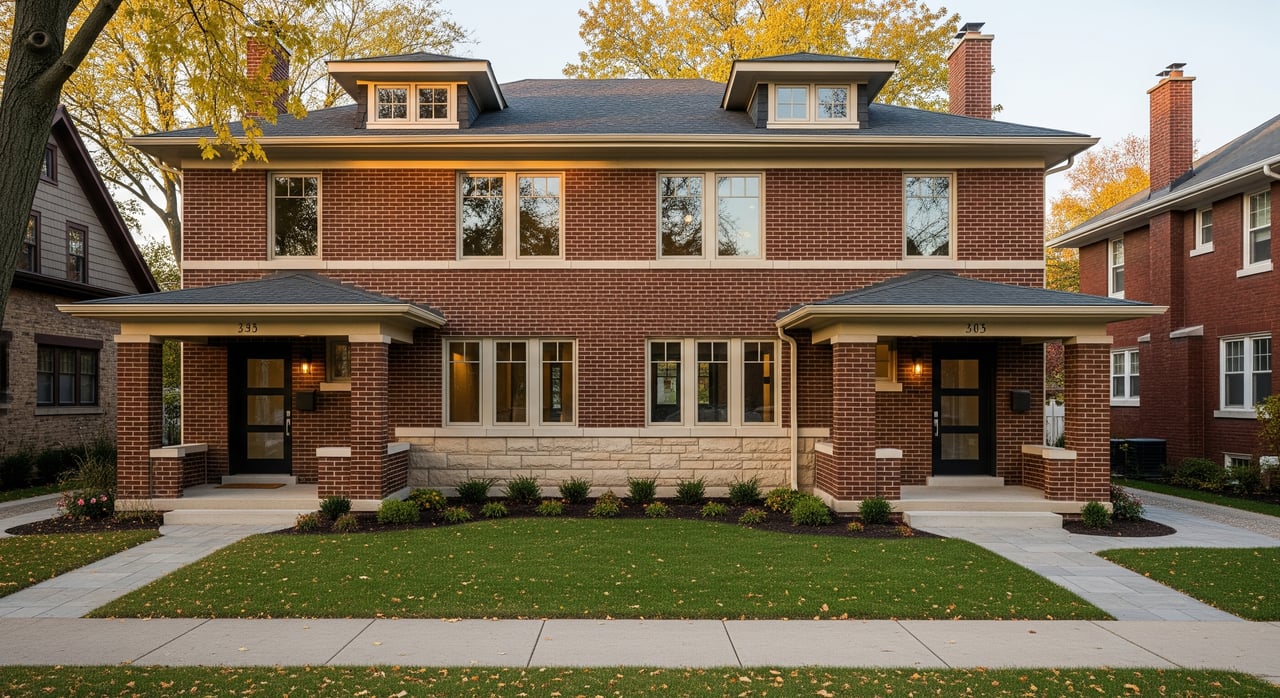
Wauwatosa has a mostly owner-occupied housing market, and much of its housing stock was built before 1959. More than half of the city’s homes are detached single-family properties, and many have details that newer homes do not, like original trim, built-ins, hardwood floors, or fireplaces.
That matters because buyers here are often walking into homes with real personality. Your goal is to make your home feel bright, clean, spacious, and move-in ready while still letting that character come through.
Staging can also shape how buyers respond during showings. In the National Association of Realtors 2025 Profile of Home Staging, 83% of buyers’ agents said staging made it easier for buyers to visualize a future home. The same research also found that many agents saw staging help reduce time on market, and some reported higher offers as well.
Start with the highest-impact rooms
If you are short on time or budget, do not try to stage every room the same way. The best return usually comes from focusing first on the spaces buyers care about most.
According to the 2025 staging profile, buyers’ agents ranked these rooms as the most important to stage:
- Living room
- Primary bedroom
- Kitchen
After that, you can give lighter attention to the dining room, bathrooms, secondary bedrooms, and flexible spaces. This approach helps you spend wisely and keeps the process manageable.
Stage the entry for a strong first impression
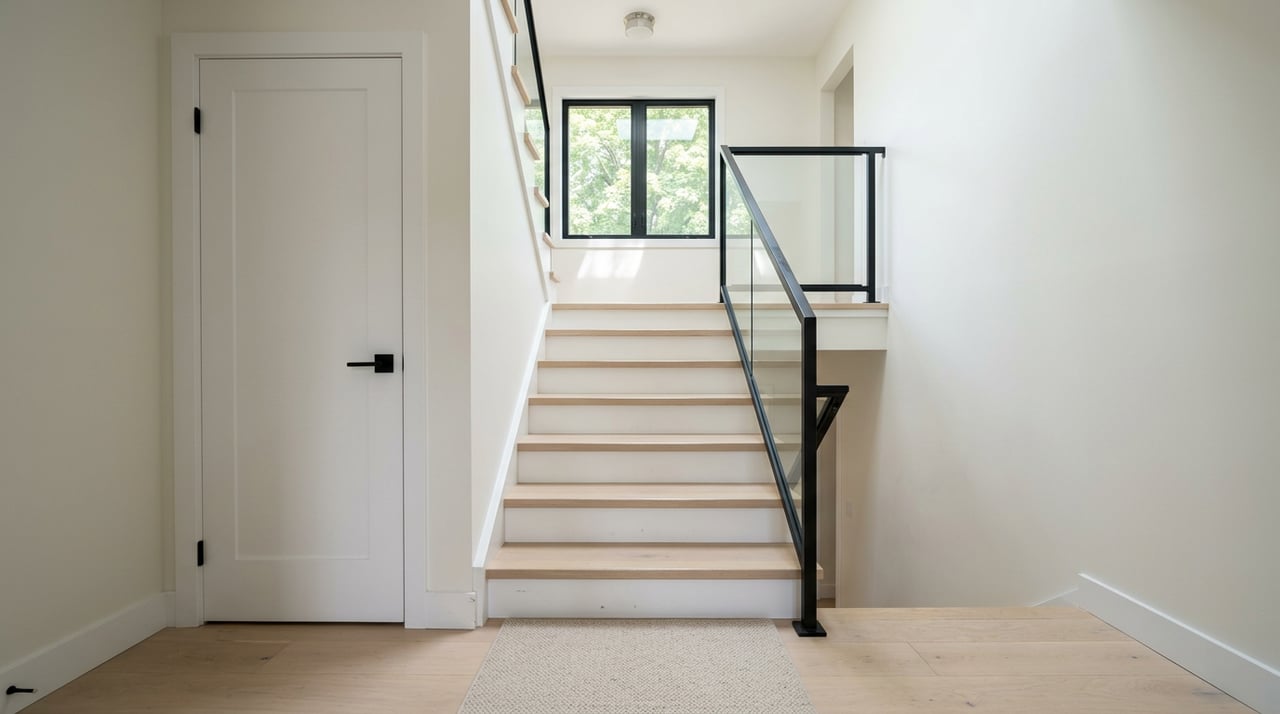
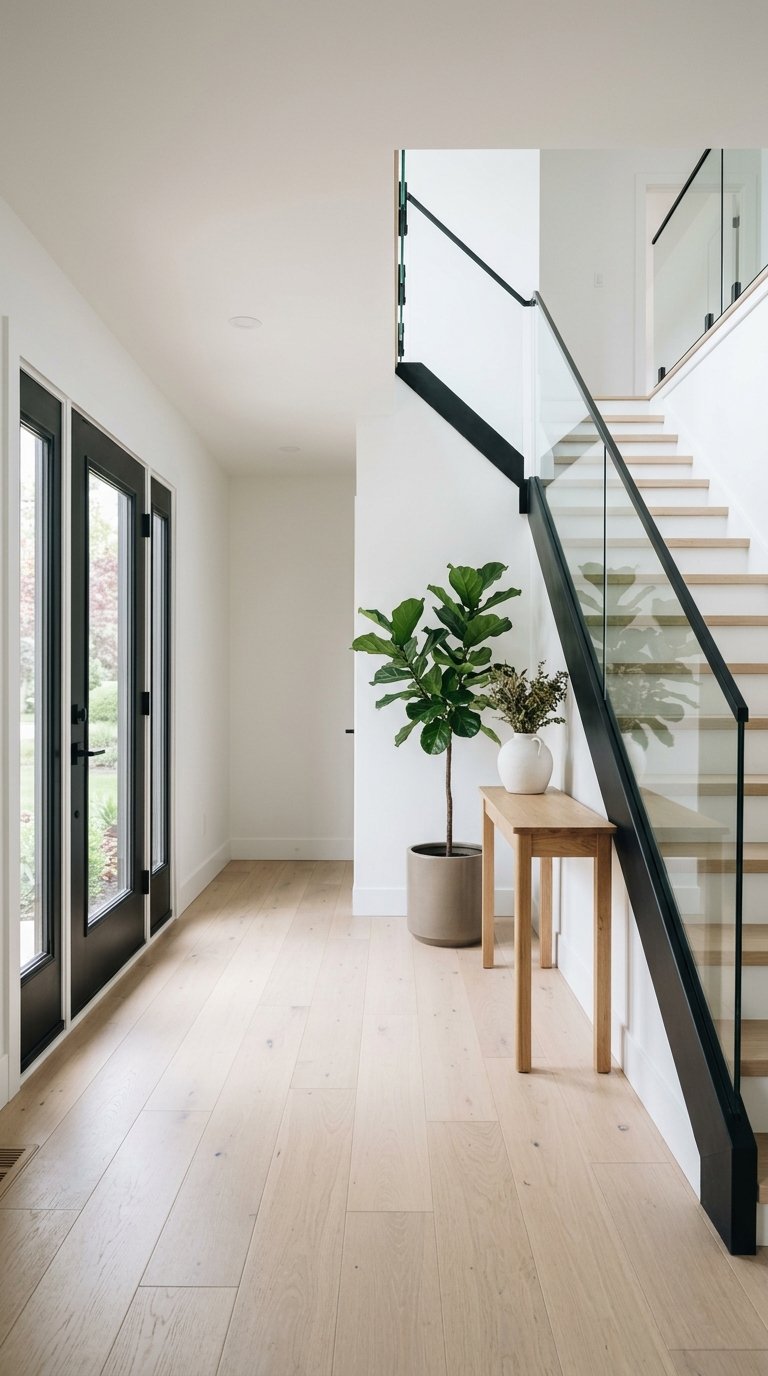
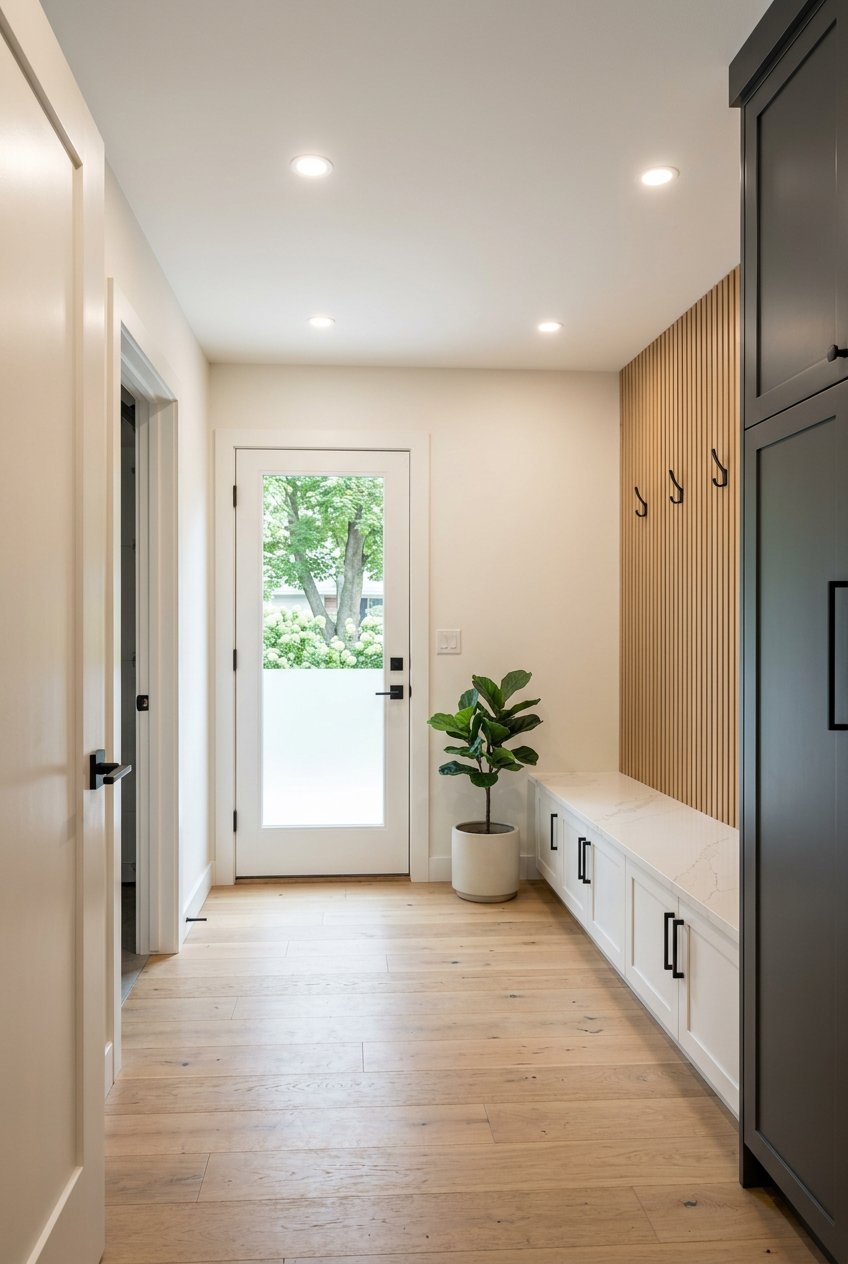
Your entry sets the tone before buyers see anything else. In many Wauwatosa homes, foyers and front halls can feel compact, so even a little clutter can make the space seem tighter.
Remove coats, shoes, mail, bags, and anything that crowds the floor. If you use a mat, choose one that fits the space well and does not block the visual flow into the home.
Keep this area simple and functional. You want buyers to step inside and immediately understand how the house opens up.
Stage the living room to show space
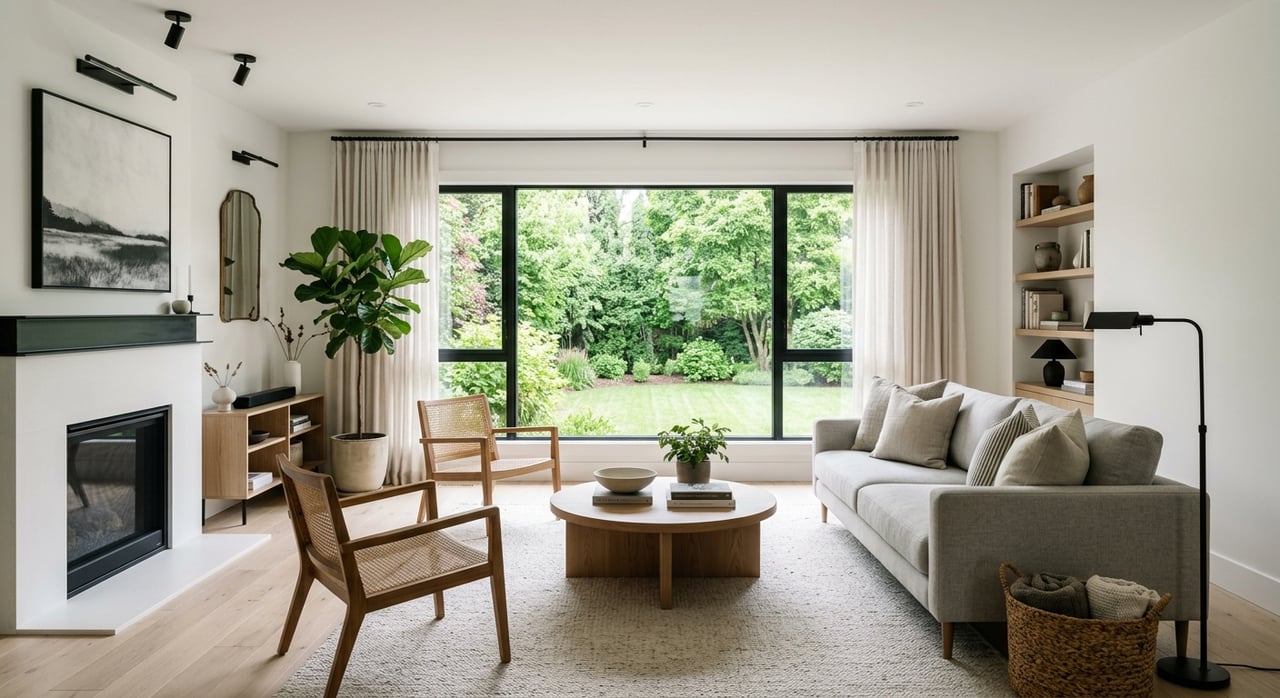
The living room is often the top showcase space. Since buyers’ agents most often identify it as the most important room to stage, this is one place where thoughtful edits really matter.
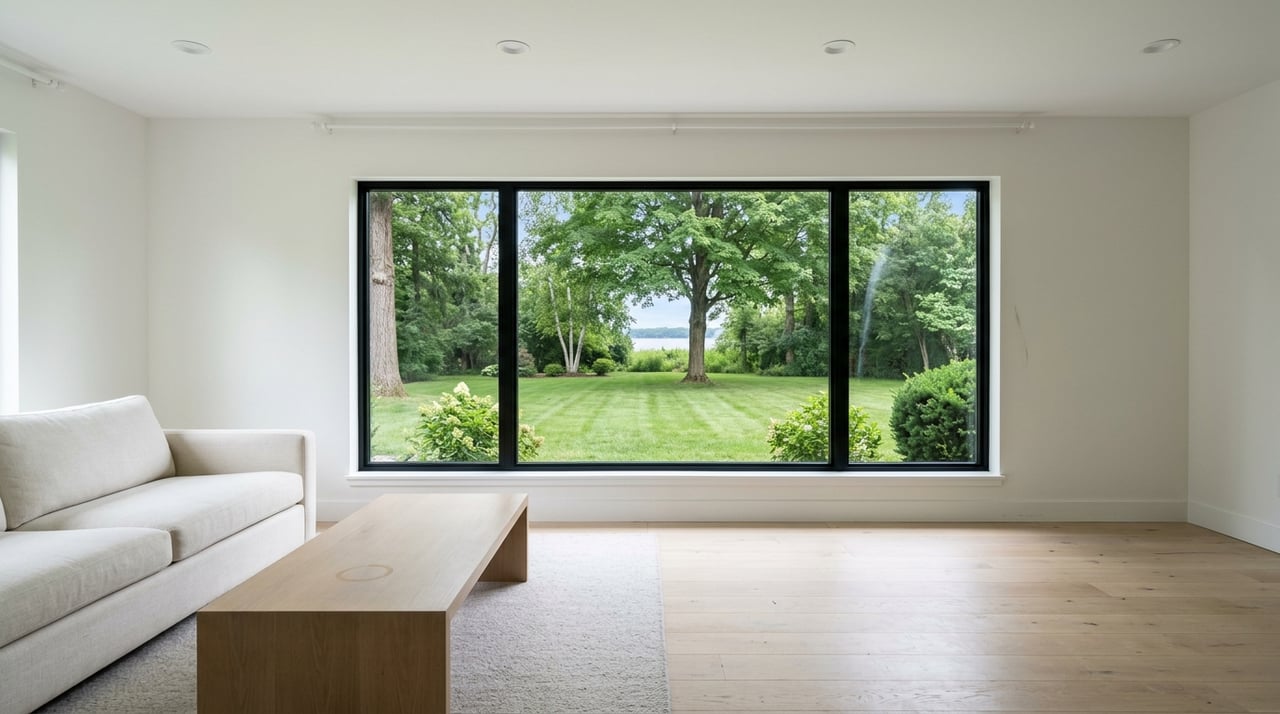
Use furniture that fits the room instead of oversized pieces that make it feel smaller. Open up walking paths, reduce extra side tables or decor, and let architectural details stand out.
If your home has original trim, built-ins, or a fireplace, do not hide them. In Wauwatosa, those details can be part of the appeal, so staging should support them rather than compete with them.
Living room quick wins
- Remove extra furniture
- Edit down pillows and accessories
- Open blinds or curtains for natural light
- Arrange seating to show conversation and flow
- Keep shelves neat and lightly styled
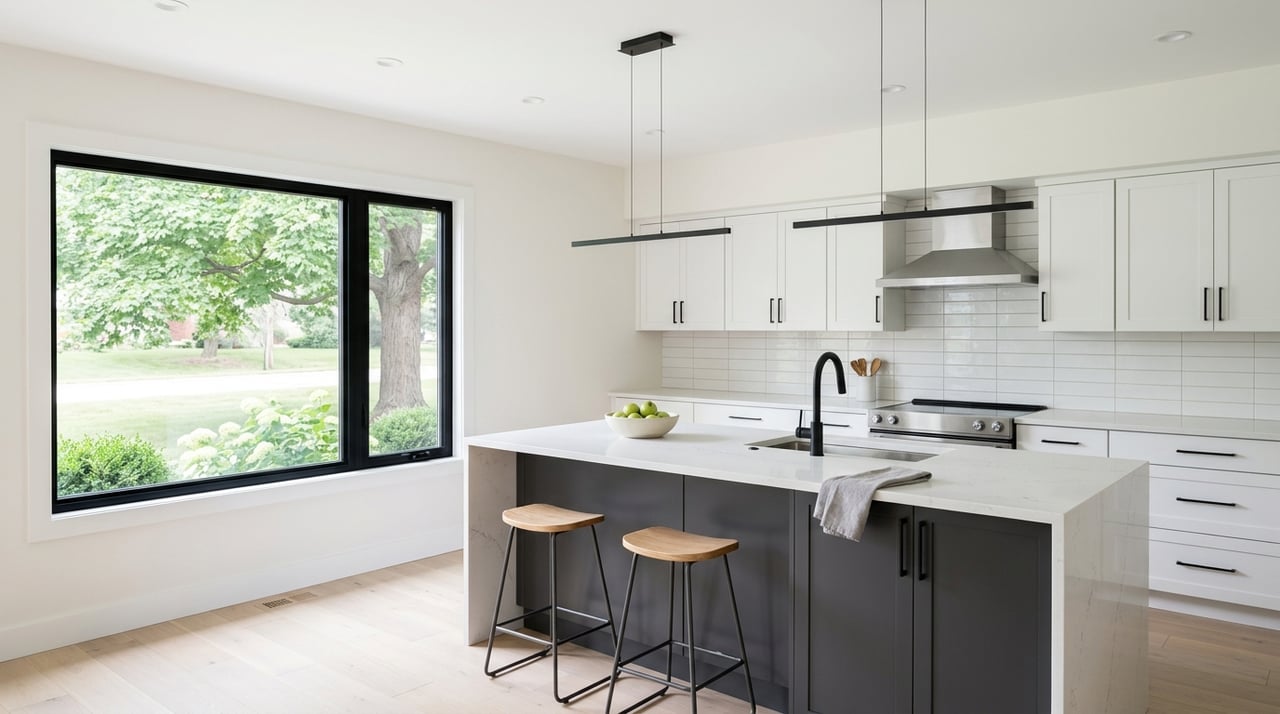
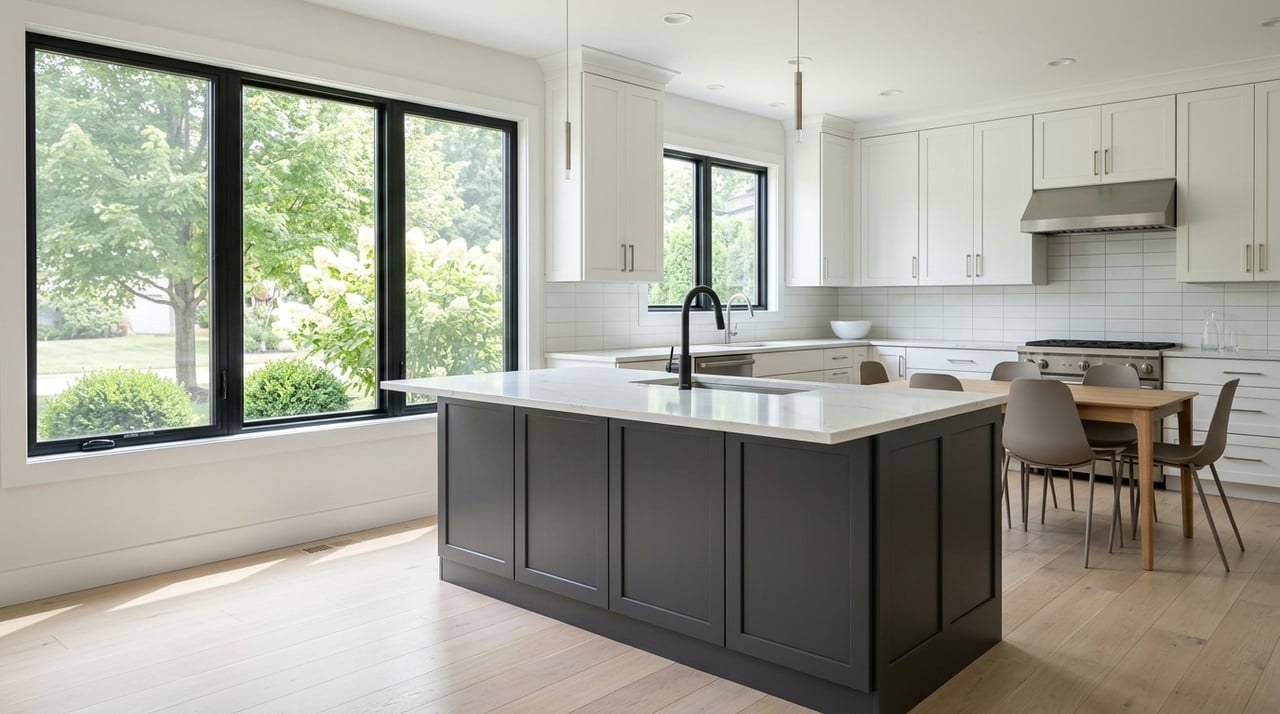
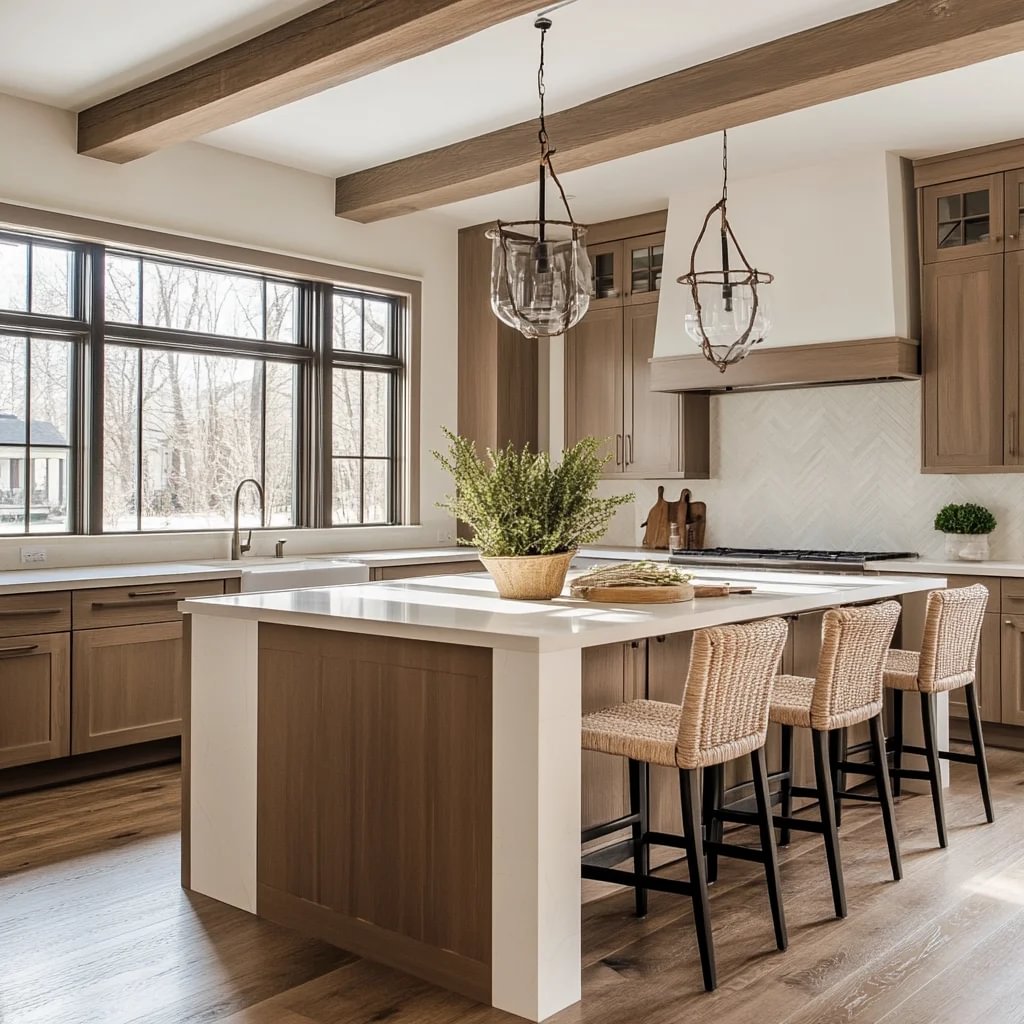
Stage the kitchen for cleanliness and function
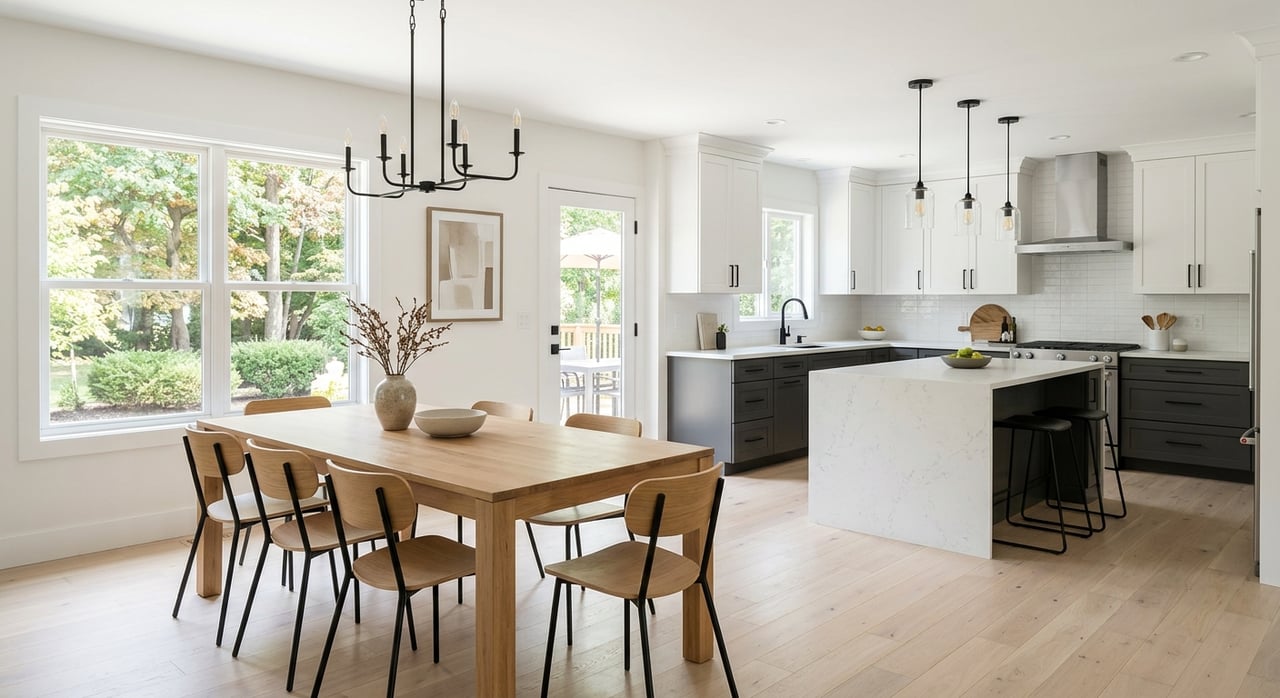
In the kitchen, buyers want to see a space that feels clean, usable, and easy to maintain. This does not require a full remodel. In many cases, it starts with deep cleaning and clearing surfaces.
Take almost everything off the counters except a few simple items. Minimize small appliances, remove magnets and papers from the refrigerator, and make sure the sink area looks spotless.
Lighting matters here too. If the kitchen feels dim, brighter bulbs and a clean, uncluttered layout can help the room read better in both photos and showings.
Kitchen staging checklist
- Clear countertops
- Deep clean cabinets, appliances, and floors
- Remove refrigerator clutter
- Highlight prep space
- Define any eat-in or dining area clearly
Stage the dining room with one clear purpose
If you have a formal dining room, stage it as a dining room. Buyers should be able to understand the room’s function and scale right away.
If the space has been doing double duty as a homework zone or home office, simplify it before listing. One clear use usually shows better than a room trying to be three things at once.
Use a table that fits the room comfortably. You want enough furniture to show purpose, but not so much that the room feels cramped.
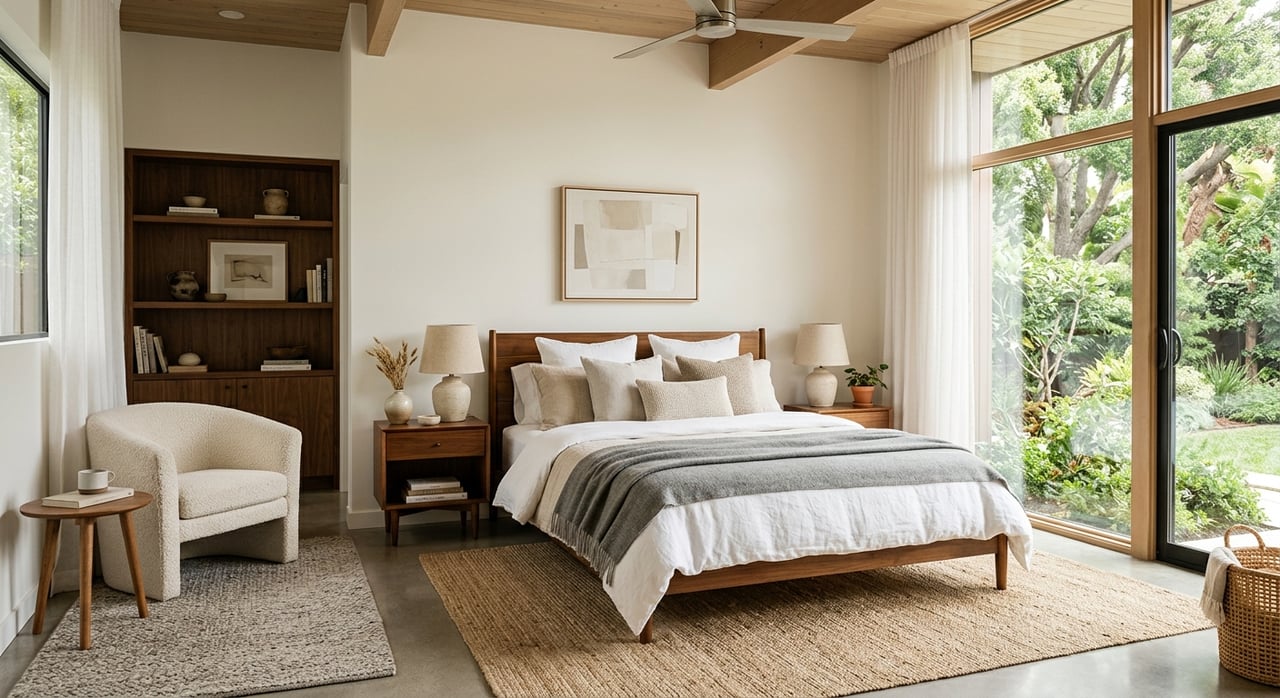
Stage the primary bedroom for calm
Your primary bedroom should feel restful. Buyers are often looking for a sense of comfort here, so simple styling tends to work best.
Choose clean bedding, matching lamps if possible, and limited furniture. Too many pieces can make the room feel smaller and busier than it is.
Closets matter too. Organized, partly empty closets suggest usable storage, while packed closets can send the opposite message.
Primary bedroom tips
- Use neutral, simple bedding
- Reduce personal items on dressers and nightstands
- Remove pet beds or crates
- Improve lighting if the room feels dim
- Leave closet space partially open and organized
Keep secondary bedrooms simple
You do not need to heavily stage every extra bedroom. Research shows guest rooms and children’s rooms are lower priorities than the main living spaces.
Still, each room should have a clear purpose. A spare room staged as a guest room or office usually reads better than a storage area filled with random items.
If a room is currently overcrowded, remove enough furniture to show open floor space. Buyers want to understand what the room can do for them.
Make bathrooms feel bright and fresh
Bathrooms tend to benefit more from cleaning and small fixes than from a lot of decorative styling. In an older home, this is especially true.
Deep clean tile, mirrors, fixtures, and floors. Clear off the vanity, hang fresh towels, and use a few neutral accessories if needed.
If something is loose, stained, or visibly worn, repair matters more than extra decor. Buyers notice signs of maintenance quickly in bathrooms.
Define flex spaces, basements, and laundry areas
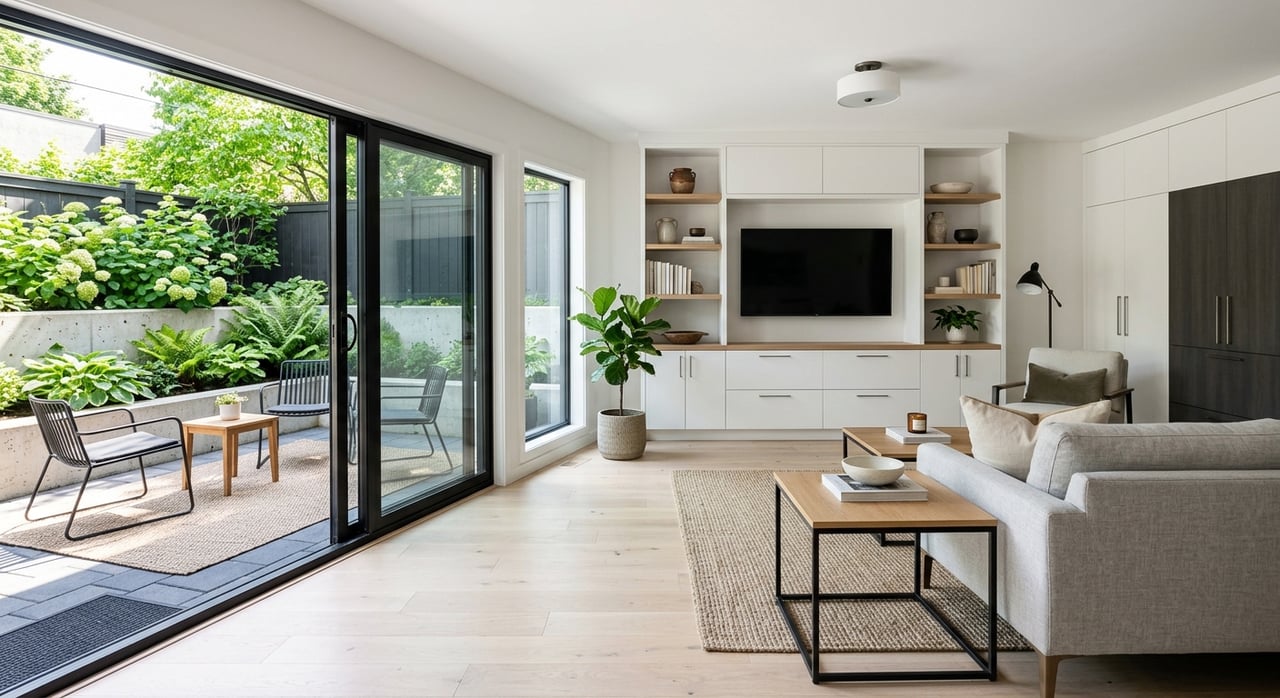
Extra spaces should show usefulness. Whether you have a basement rec room, a small den, a finished attic area, or a laundry room, buyers respond best when the purpose is easy to understand.
Pick one main function for each space. That might be an office, media area, workout corner, playroom, or organized storage zone.
Good lighting, tidy floors, and reduced clutter go a long way here. These areas do not need to be fancy, but they should feel intentional.
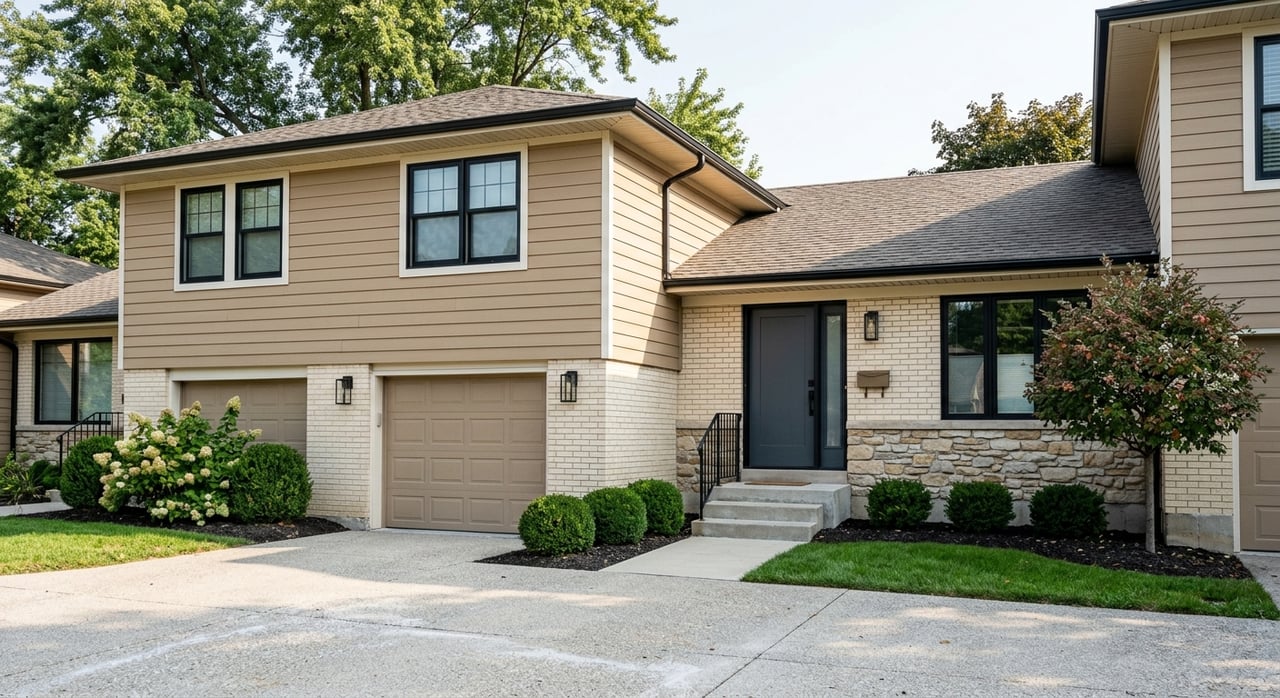
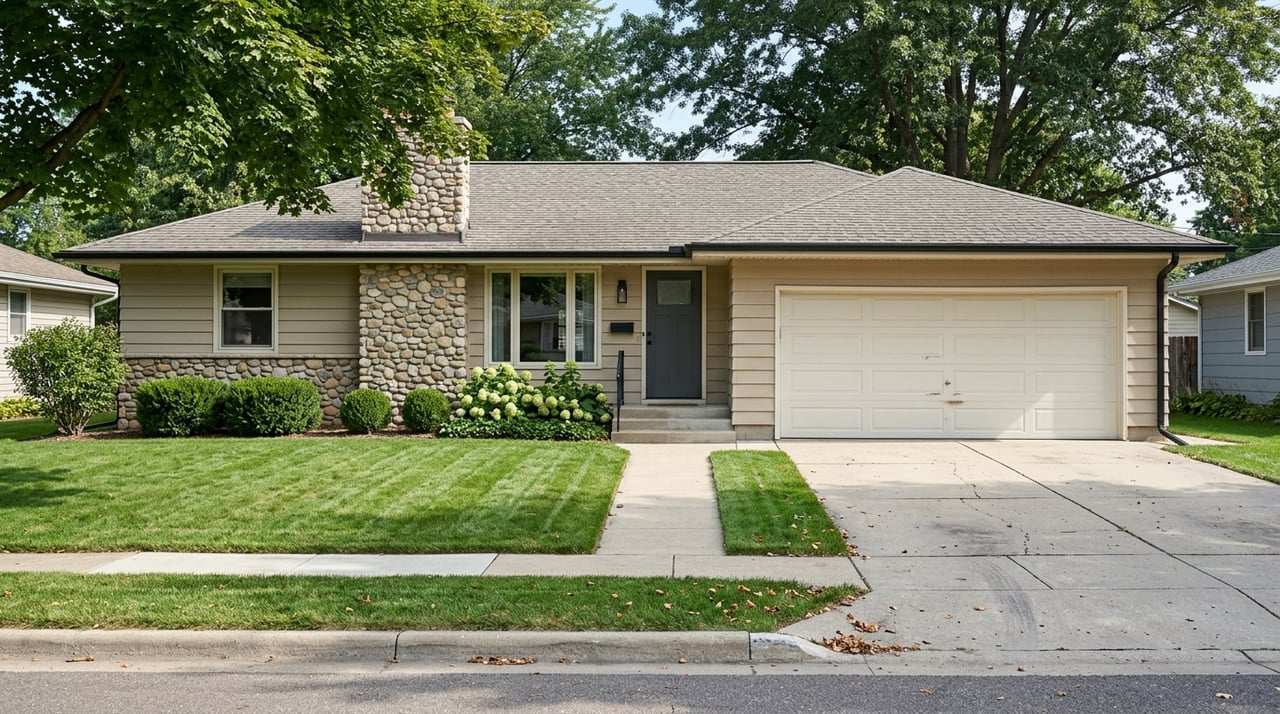
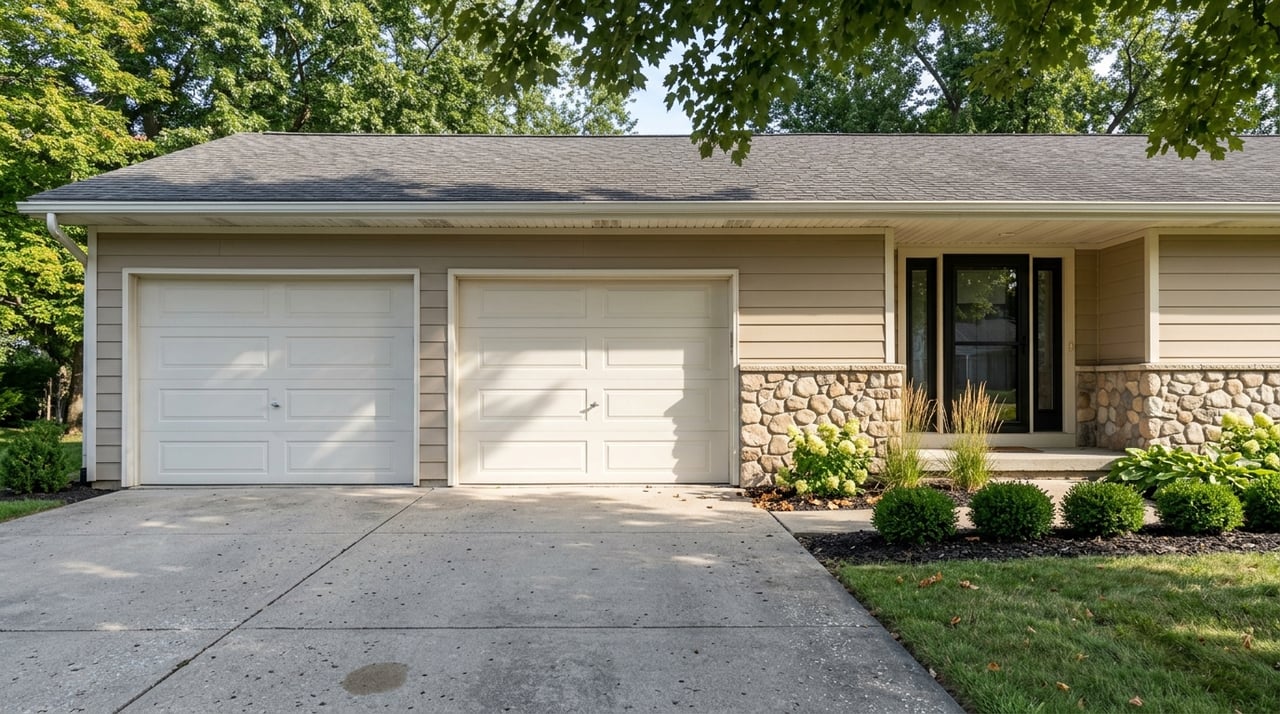
Do not forget the porch and exterior
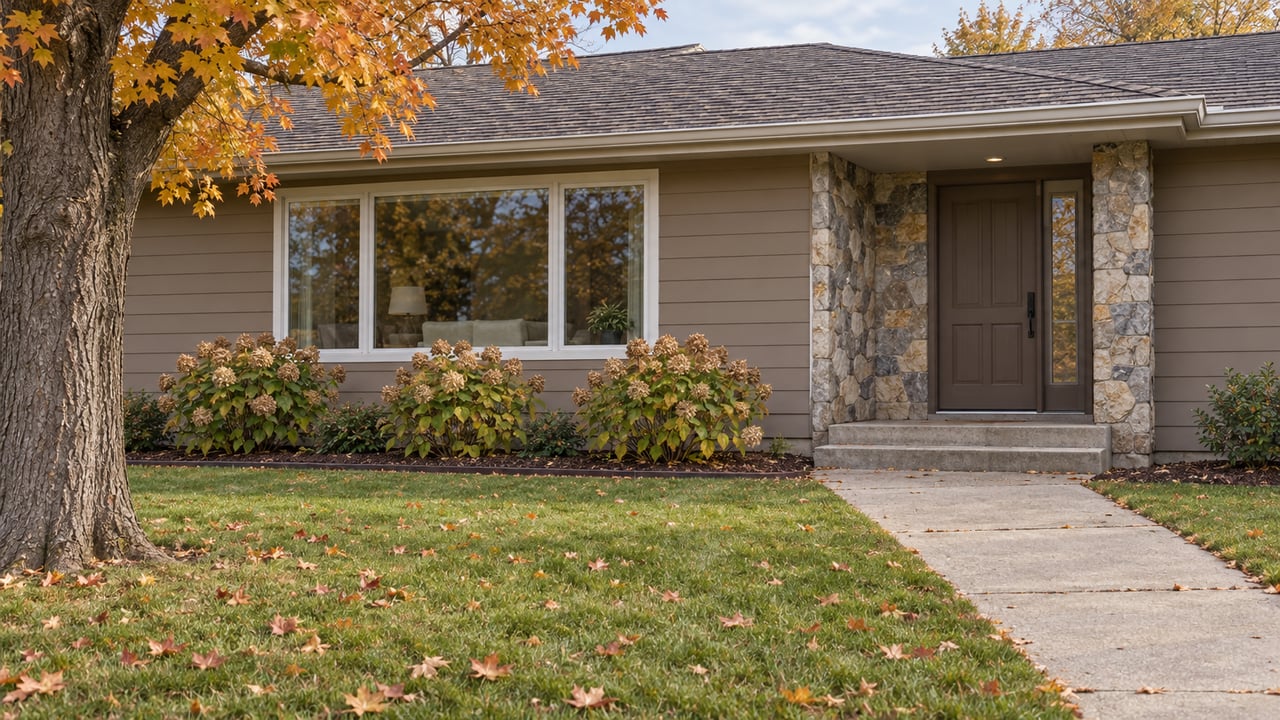
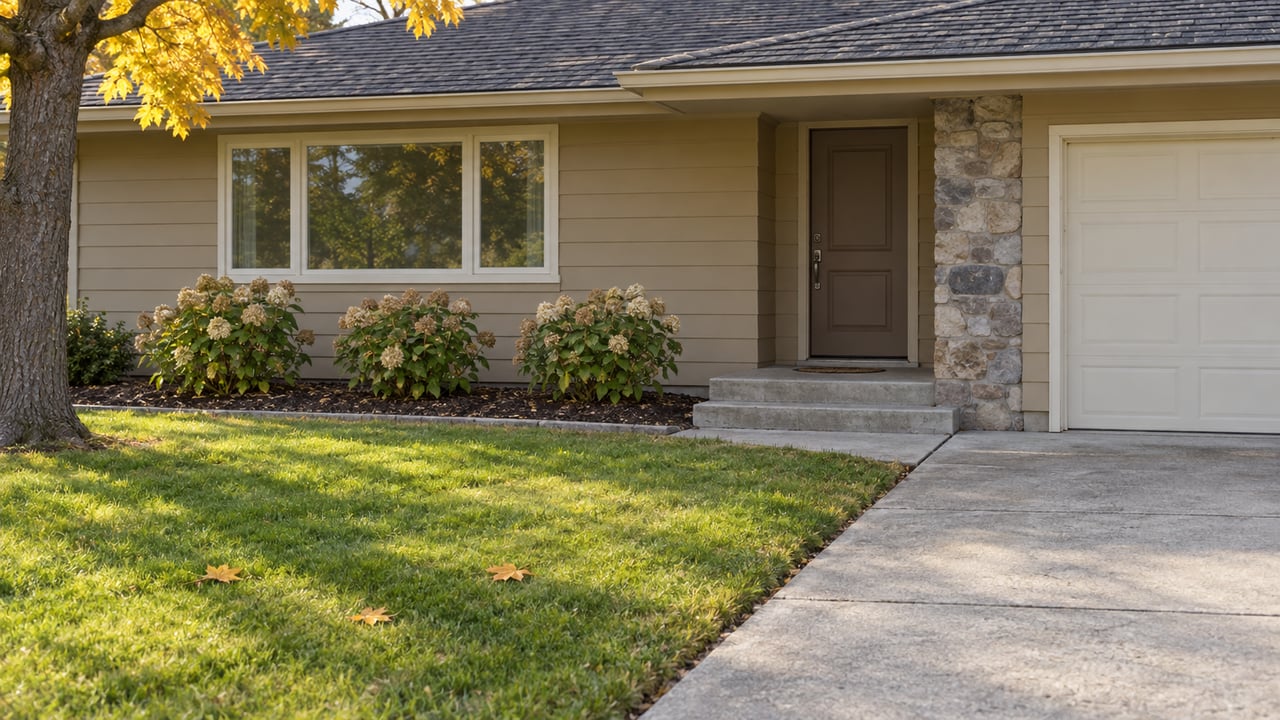
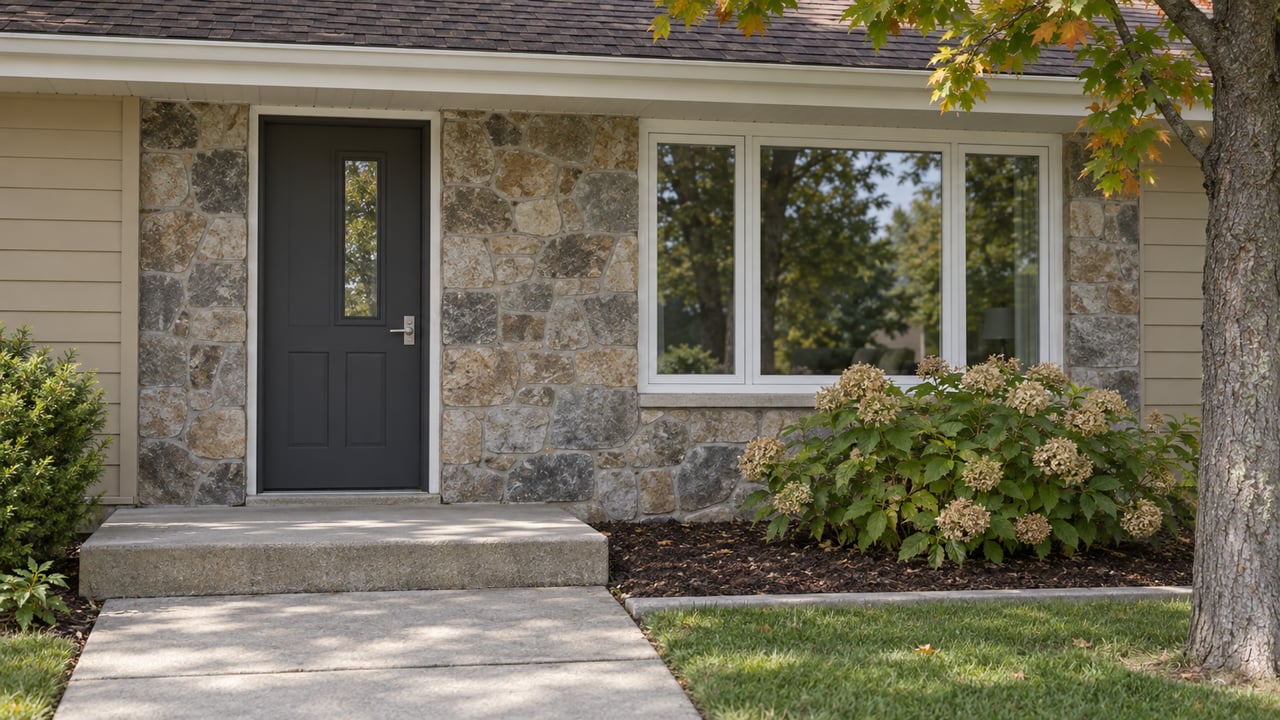
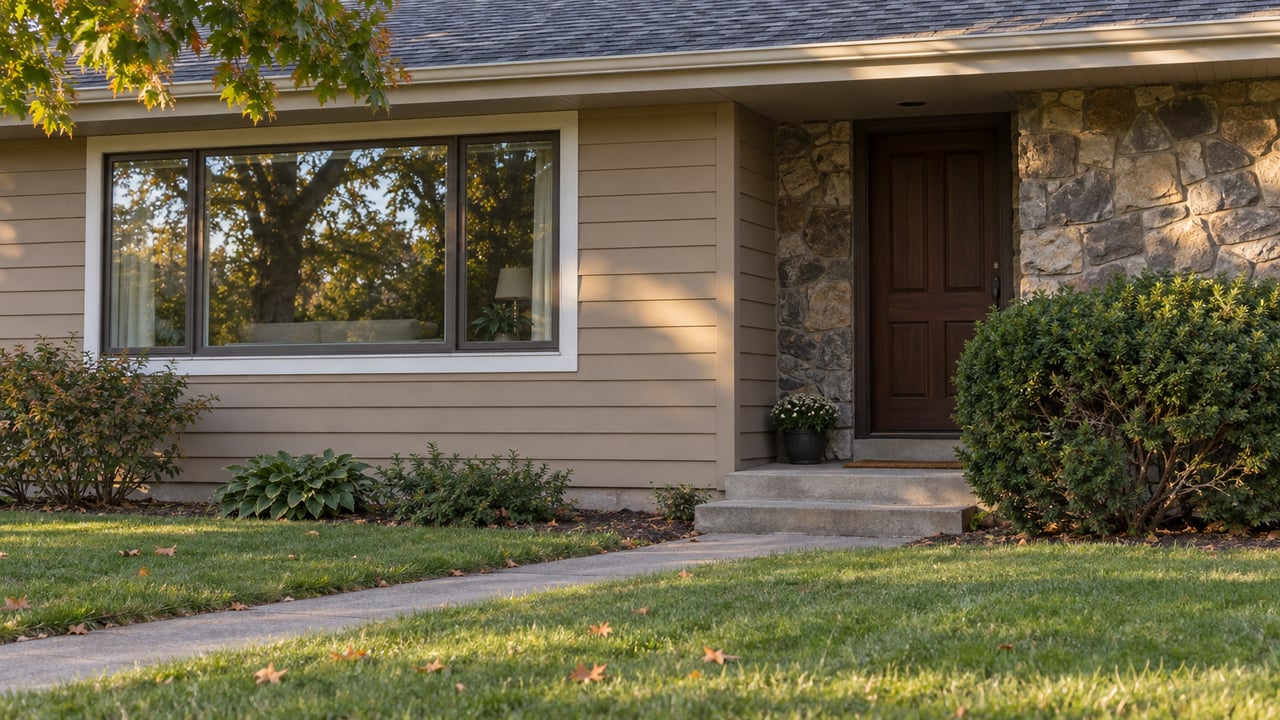
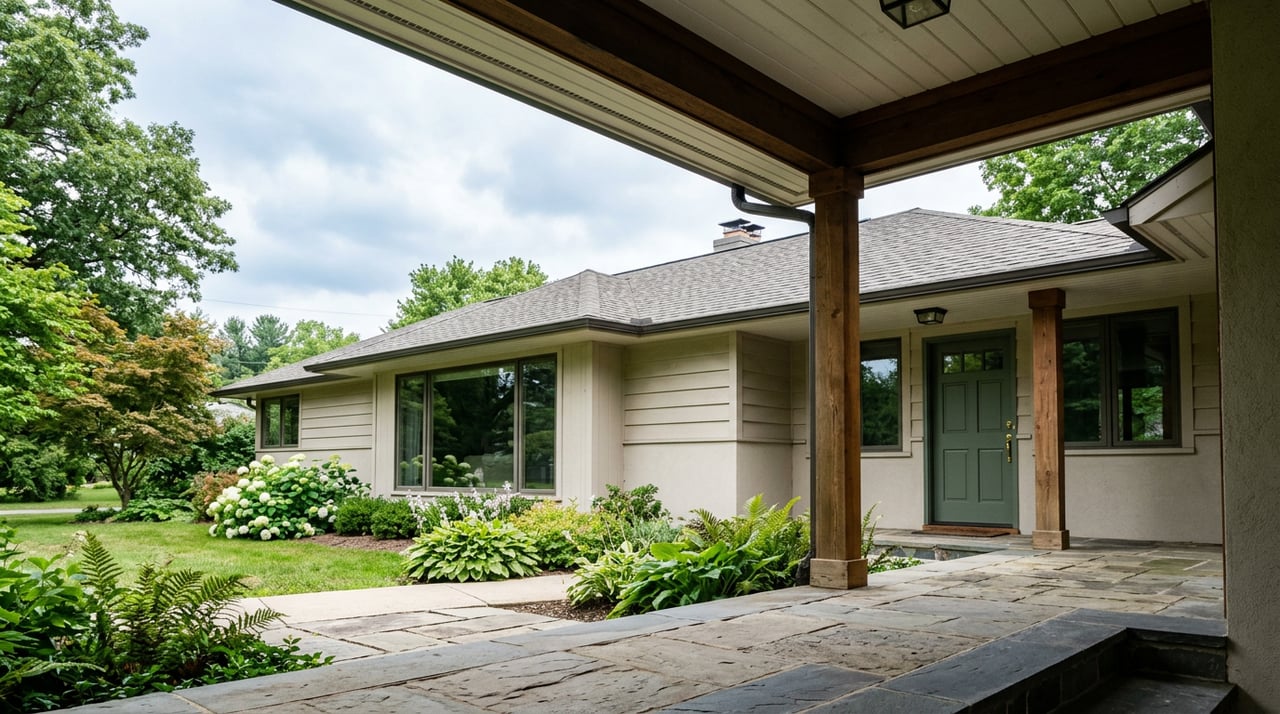
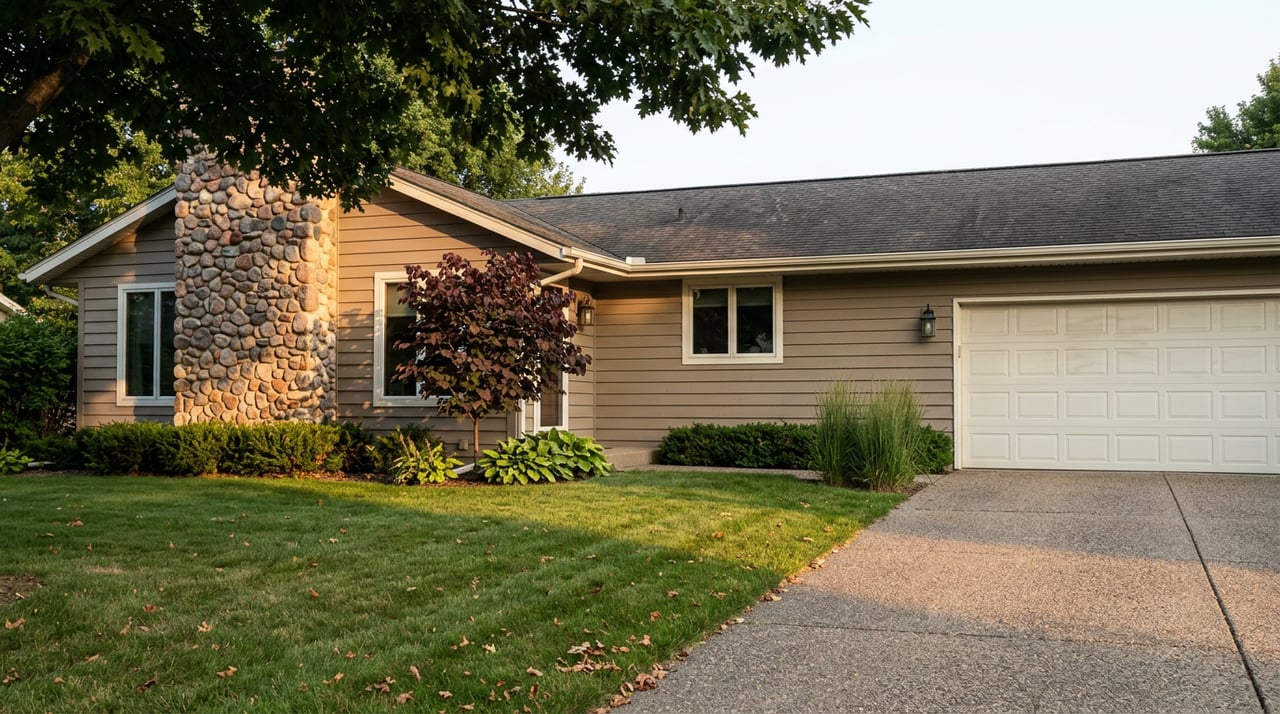
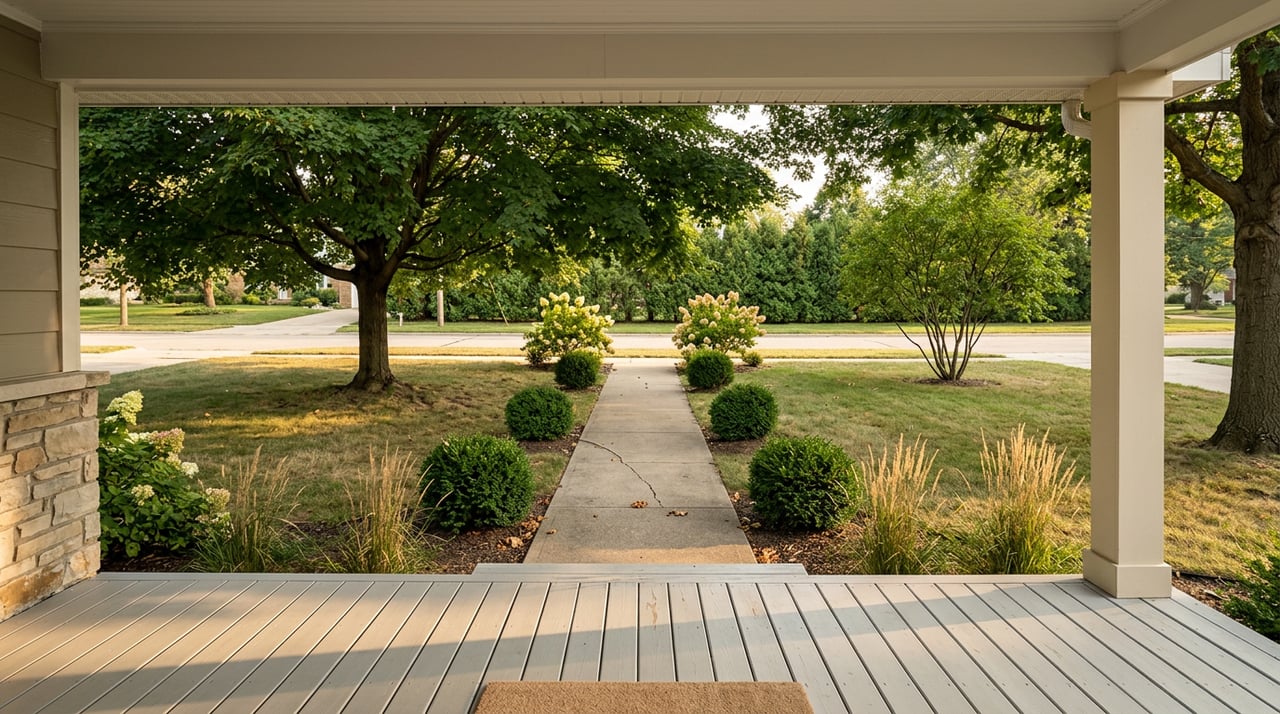
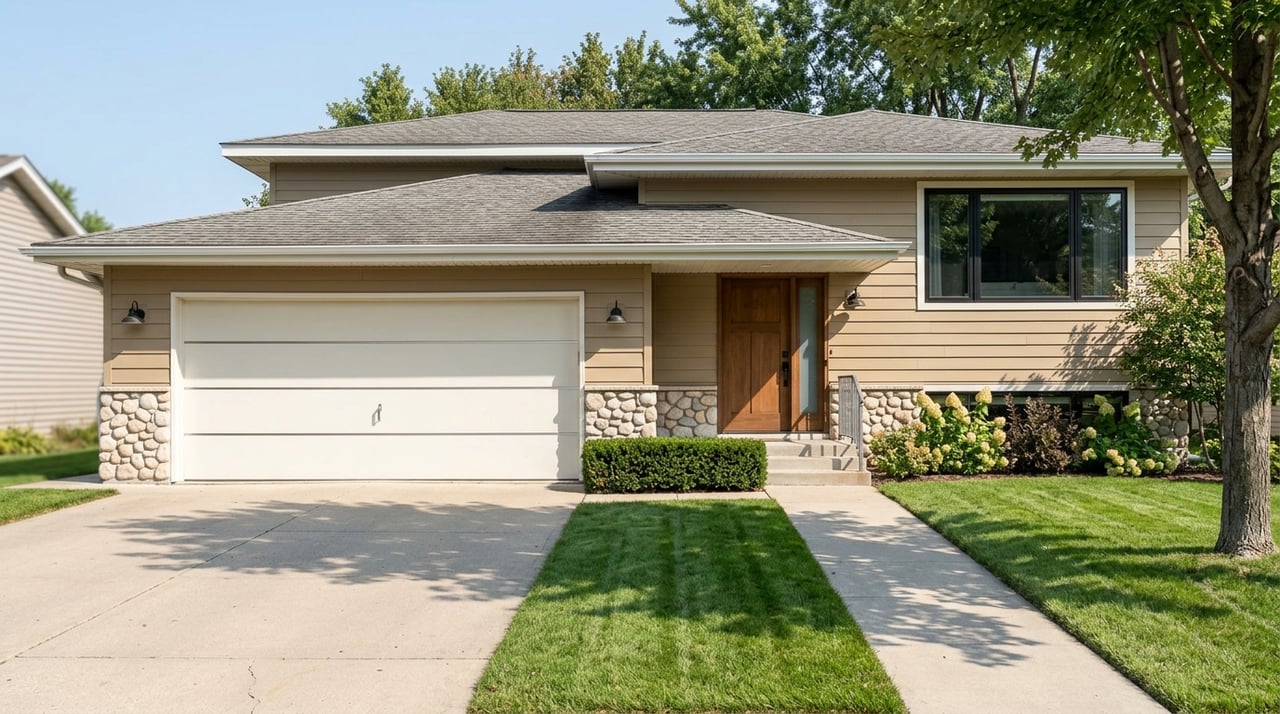
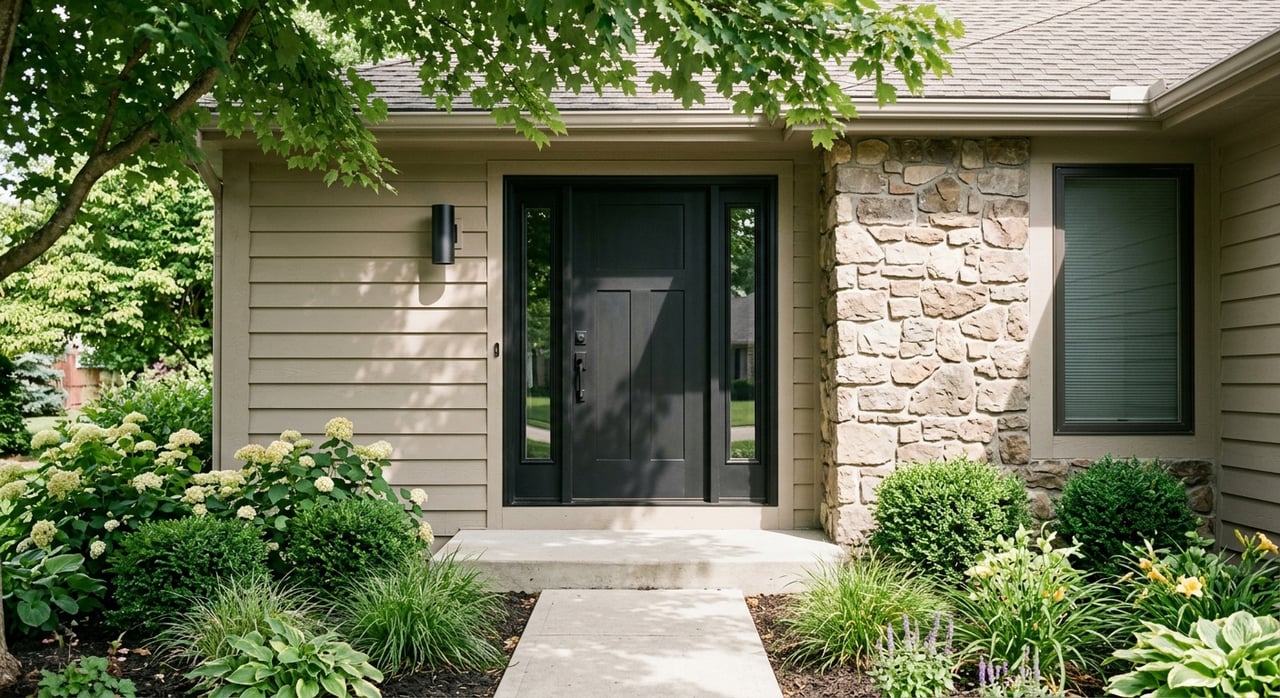
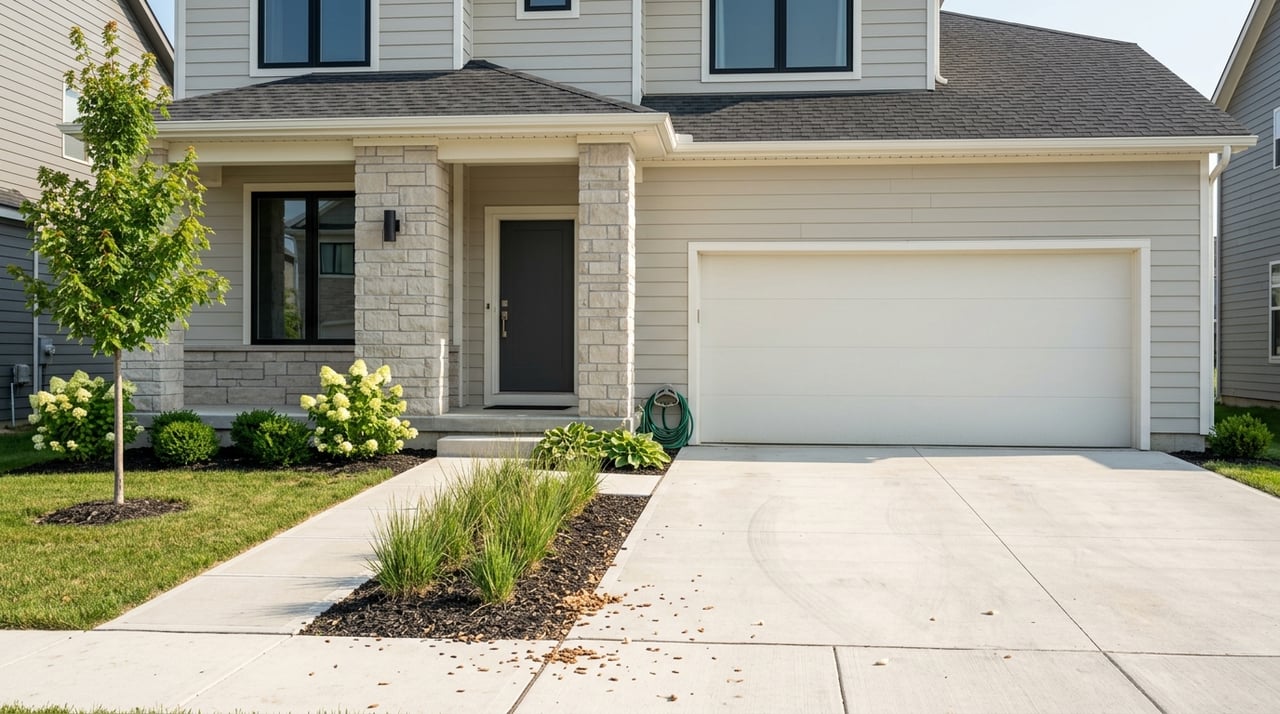
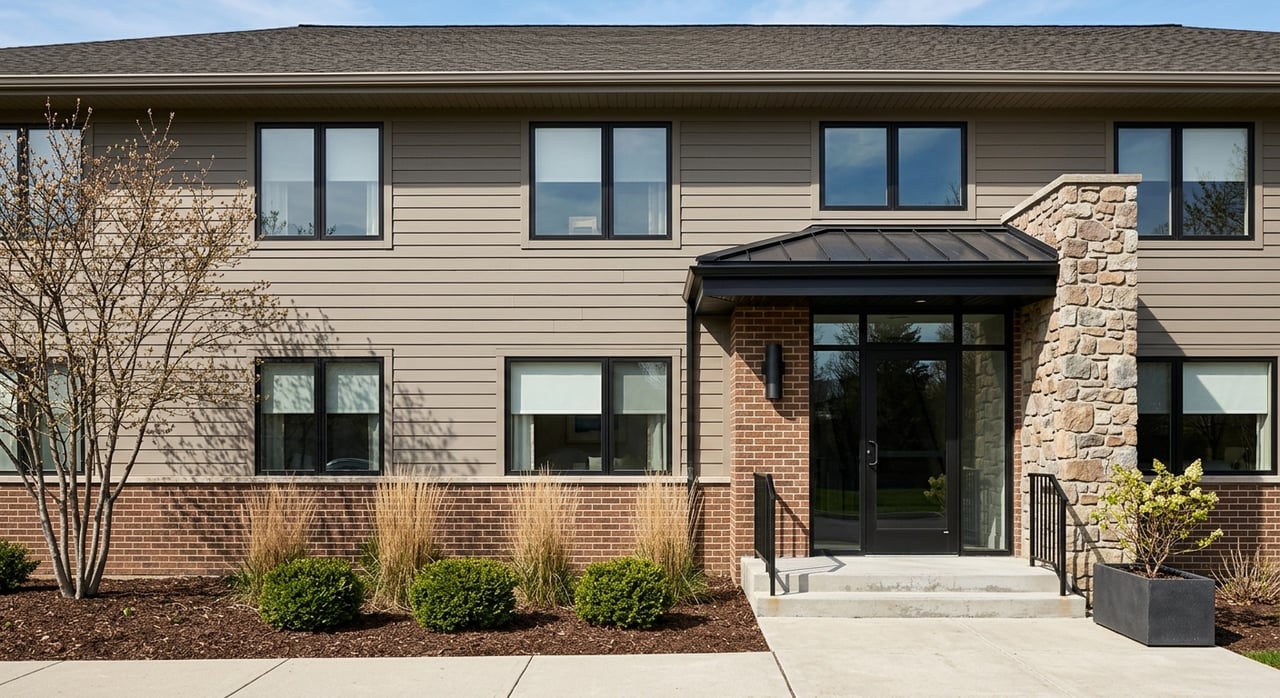
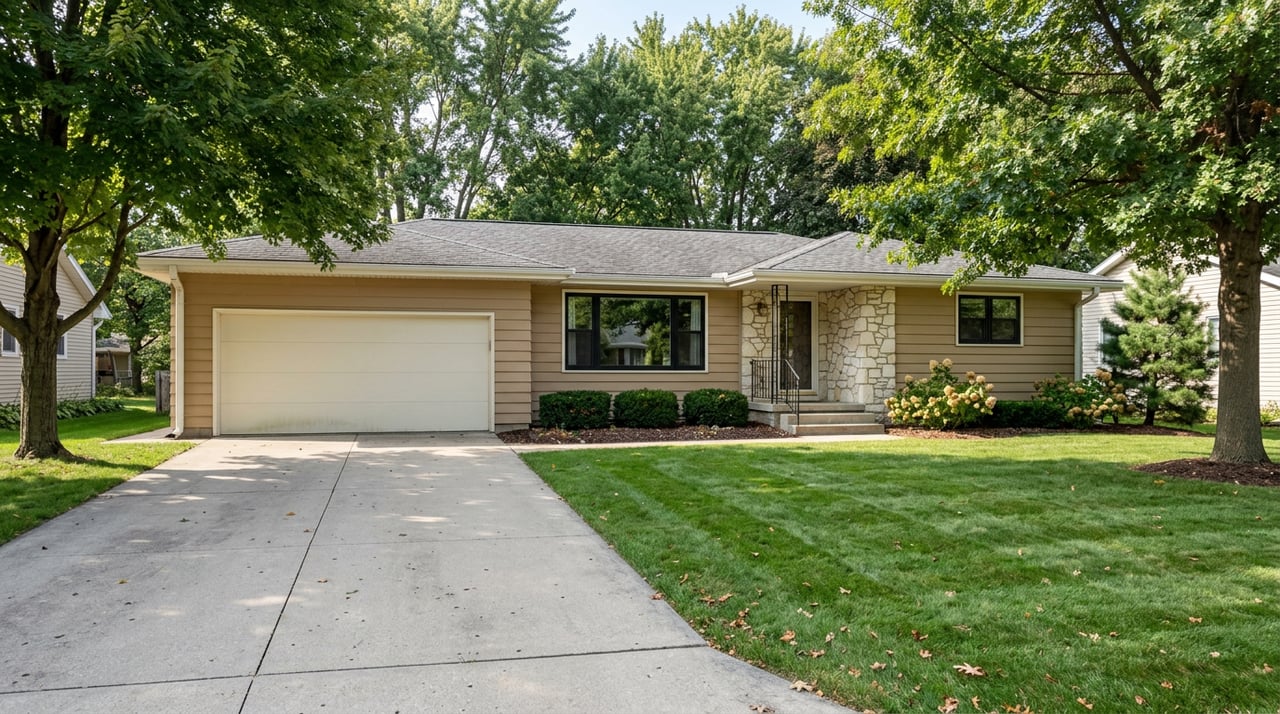
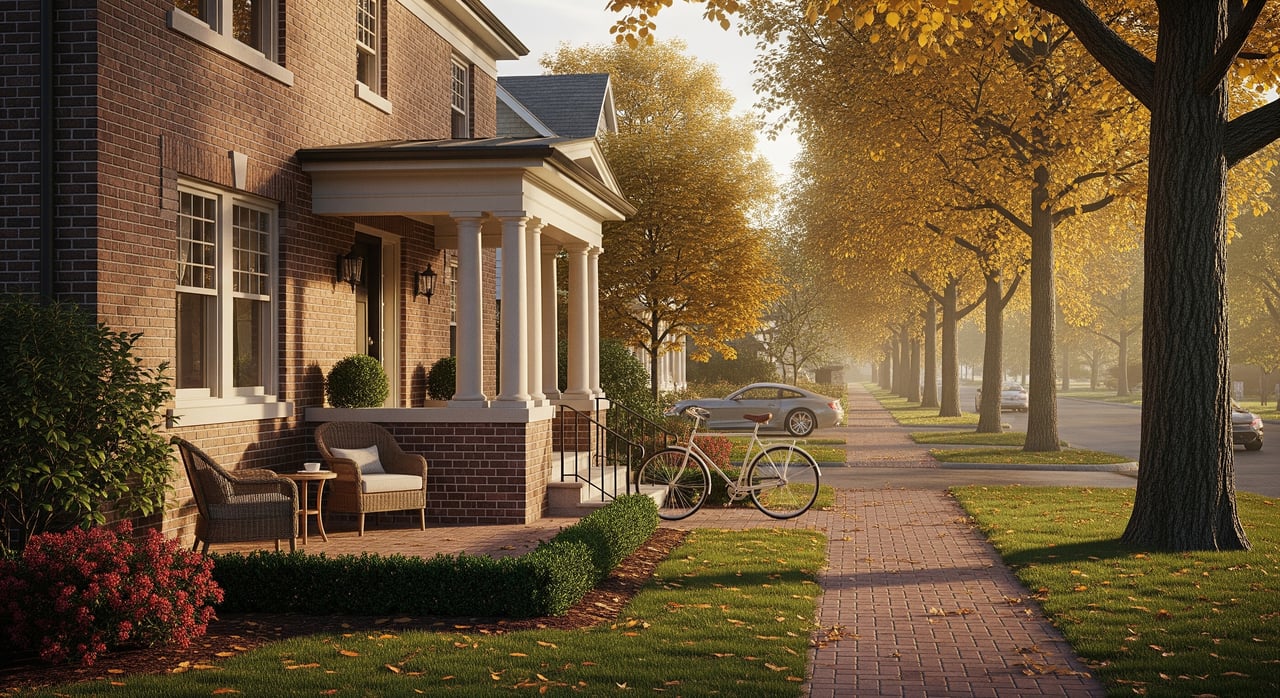
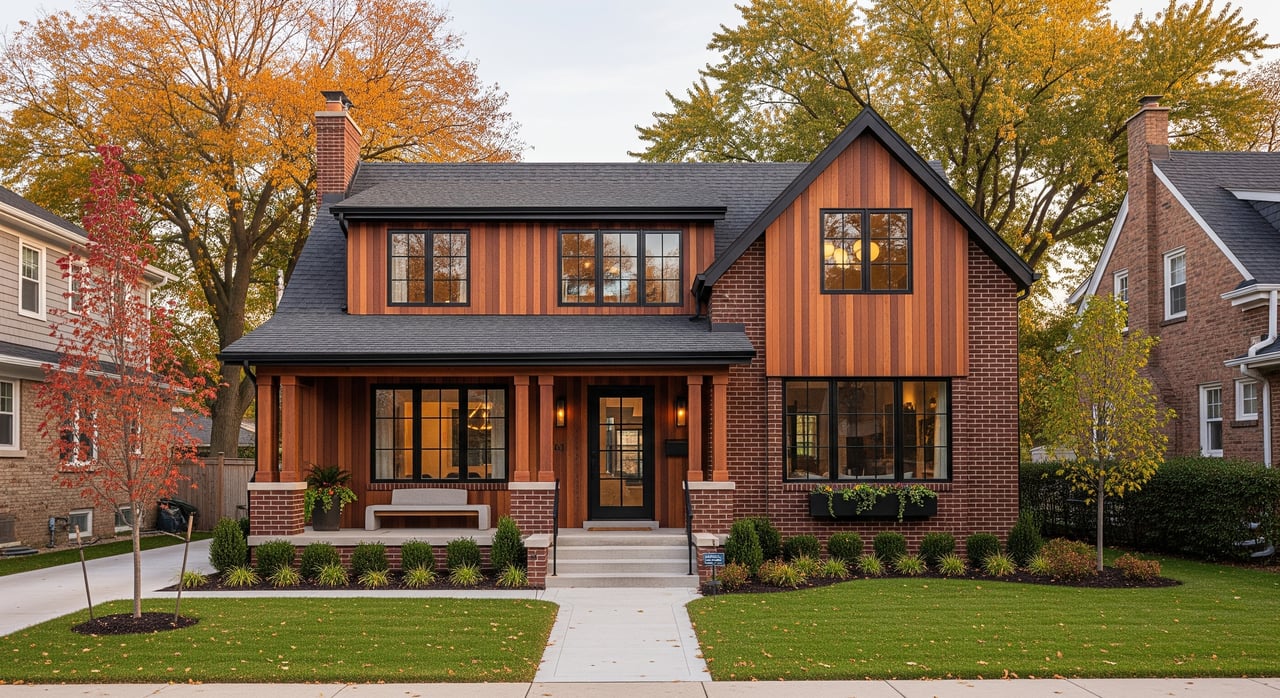
Before buyers step inside, they start forming an opinion from the front walk. A maintained exterior helps the whole showing feel more welcoming.
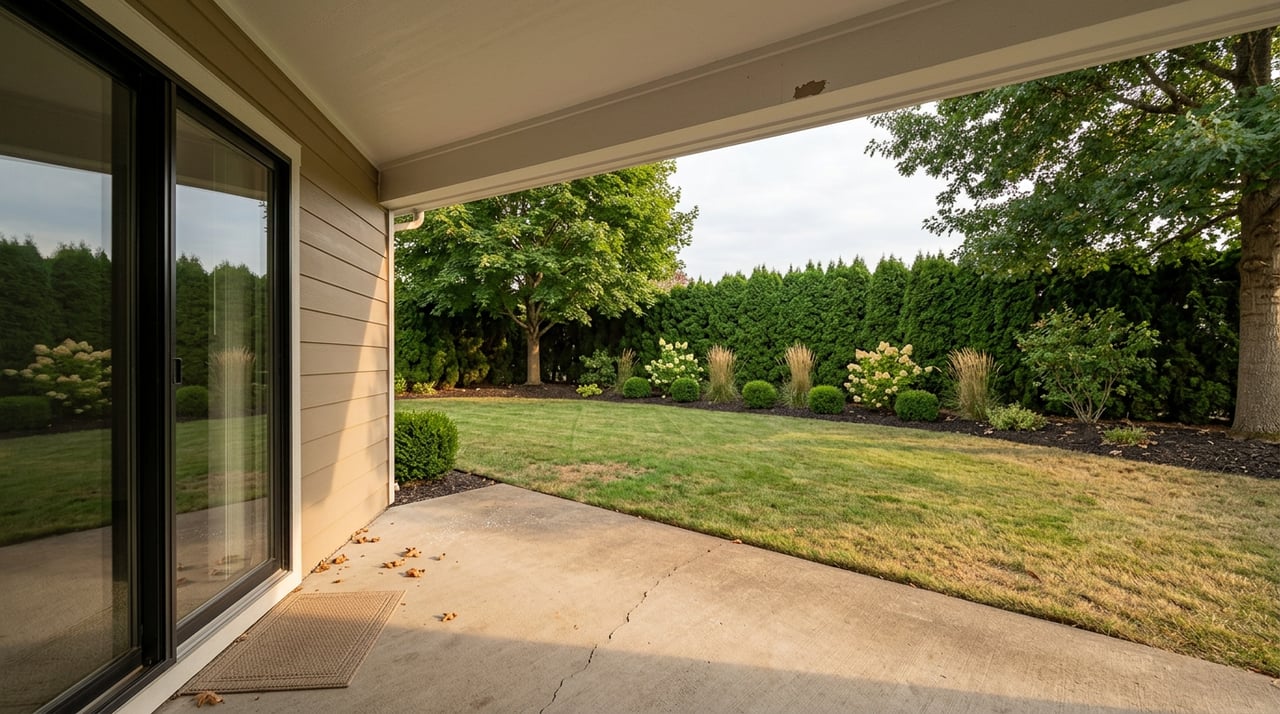
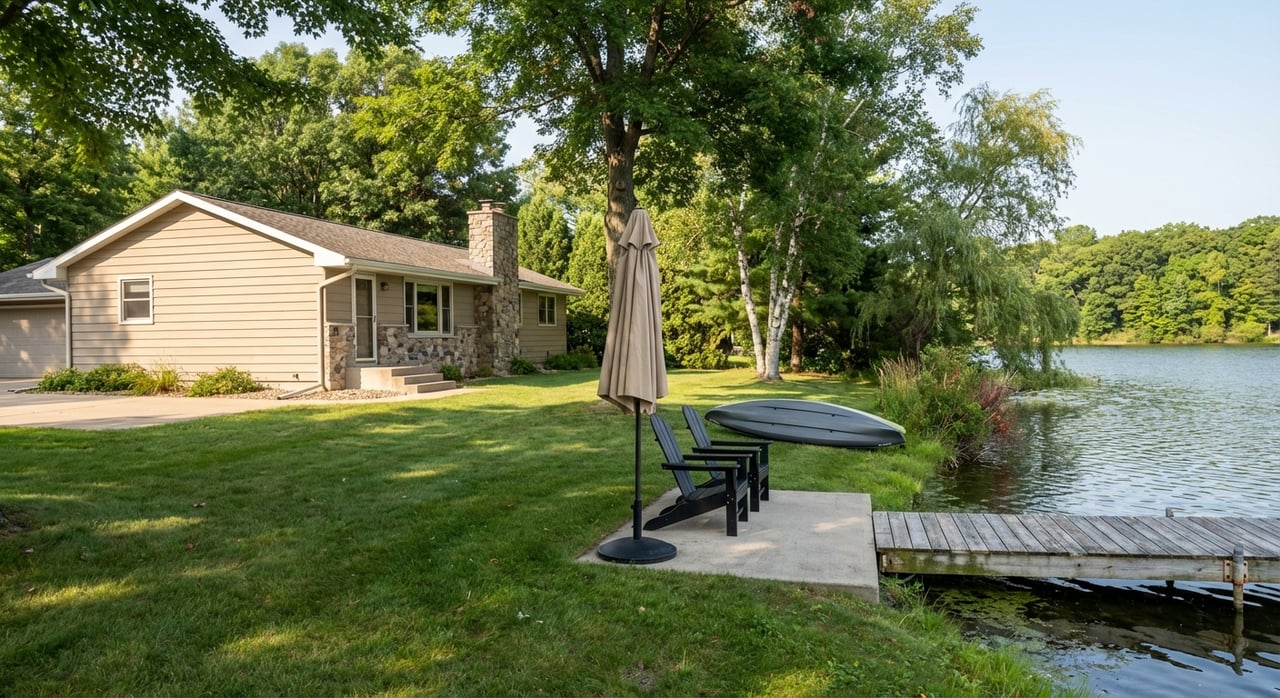
Sweep the porch, tidy the front entry, trim shrubs, and remove visual clutter from outdoor spaces. Keep patios and walkways clear so the home feels cared for from the start.
This is especially important if your house has charming exterior details. Clean presentation helps those features stand out.
Keep the character, lose the distractions
One of the biggest staging mistakes in an older home is trying to make it look too generic. In Wauwatosa, many buyers expect homes with history and architectural detail.
You do not need to strip out personality. Instead, aim to remove distractions so buyers can actually notice the good features.
That might mean less decor, fewer furniture pieces, brighter lighting, and a more neutral backdrop. The goal is clarity, not sameness.
When professional staging can help
Professional staging can be especially useful if your home is vacant or if your current furniture is oversized, mismatched, or not showing the layout well. It can also help when a few visual updates would improve listing photos and showings.
Staging does not have to be all or nothing. Many sellers take a scaled approach by focusing on decluttering, correcting obvious issues, and improving the main living spaces first.
For sellers who want to make pre-listing updates, Blue Violet Homes can also talk through whether Compass Concierge is a fit. Compass states that Concierge can front the cost of services like staging, flooring, and painting, with payment due at closing, which can be useful when you want to improve presentation before your home hits the market.
A practical staging plan for Wauwatosa sellers
If you want a simple game plan, focus on the rooms that shape buyer perception most. Start with the living room, kitchen, and primary bedroom, then move to the entry, bathrooms, and dining space.
After that, give secondary rooms and lower-level spaces a lighter pass. Make each room feel clean, bright, and easy to understand.
In a market like Wauwatosa, that kind of thoughtful, character-aware presentation can help buyers connect with your home faster. And when buyers can picture themselves living there, your listing has a better chance to stand out.
If you are getting ready to sell in Wauwatosa and want a plan that fits your home, your timeline, and your budget, Kuss & Co. Homes can help you prioritize the updates and staging steps that matter most.
FAQs
Which rooms should you stage first before selling a Wauwatosa home?
- Start with the living room, primary bedroom, and kitchen, since buyers’ agents rank those as the most important rooms to stage.
Do you need to stage every room before listing a home in Wauwatosa?
- No. Main living spaces usually deserve the most attention, while secondary bedrooms and guest rooms can be kept simpler as long as they have a clear purpose.
How should you stage an older Wauwatosa home without losing its character?
- Focus on decluttering, cleaning, better lighting, and simple furniture placement so original details like trim, built-ins, and fireplaces remain visible.
What matters most when staging a Wauwatosa kitchen?
- Clear counters, deep cleaning, good lighting, minimal refrigerator clutter, and a clear sense of usable workspace matter most.
When should you consider professional staging for a Wauwatosa listing?
- Professional staging can help most when a home is vacant, when furniture does not fit the space well, or when a few pre-sale improvements would make photos and showings stronger.